
As warmer weather approaches in New Hampshire, homeowners need to prepare for the return of mosquitoes and ticks. At Groundhog Turf Care, we believe effective control of these pests begins well before they become a nuisance. In this article, we walk through the optimal timing for mosquito and tick control, along with the strategies we recommend to manage them all year long. By understanding seasonal patterns and applying the right control measures at the right time, we help homeowners enjoy their yards while staying protected from the health risks these pests can bring. We’ll cover the typical tick control season, when to start mosquito prevention, how lawn care supports pest control, safety guidelines during treatment, how to schedule professional services, and what we’re seeing in pest activity trends for 2024.
What Is the Typical Tick Control Season in New Hampshire?
In our experience, the tick control season in New Hampshire runs from early spring to late fall, peaking during the warm summer months. Ticks become active as soon as temperatures rise above 40°F, so we always encourage homeowners to begin control efforts early in the spring. Getting ahead of the season with proactive treatment can significantly reduce tick populations and lower the risk of the diseases they carry, including Lyme disease.
Timing matters because ticks move through different life stages as the seasons change. When we treat lawns early, before nymphs and larvae become active, we’re able to interrupt that cycle before it gets a foothold — which is a big part of why early intervention works so well.
Why Is Early Tick Spraying Critical for New Hampshire Lawns?
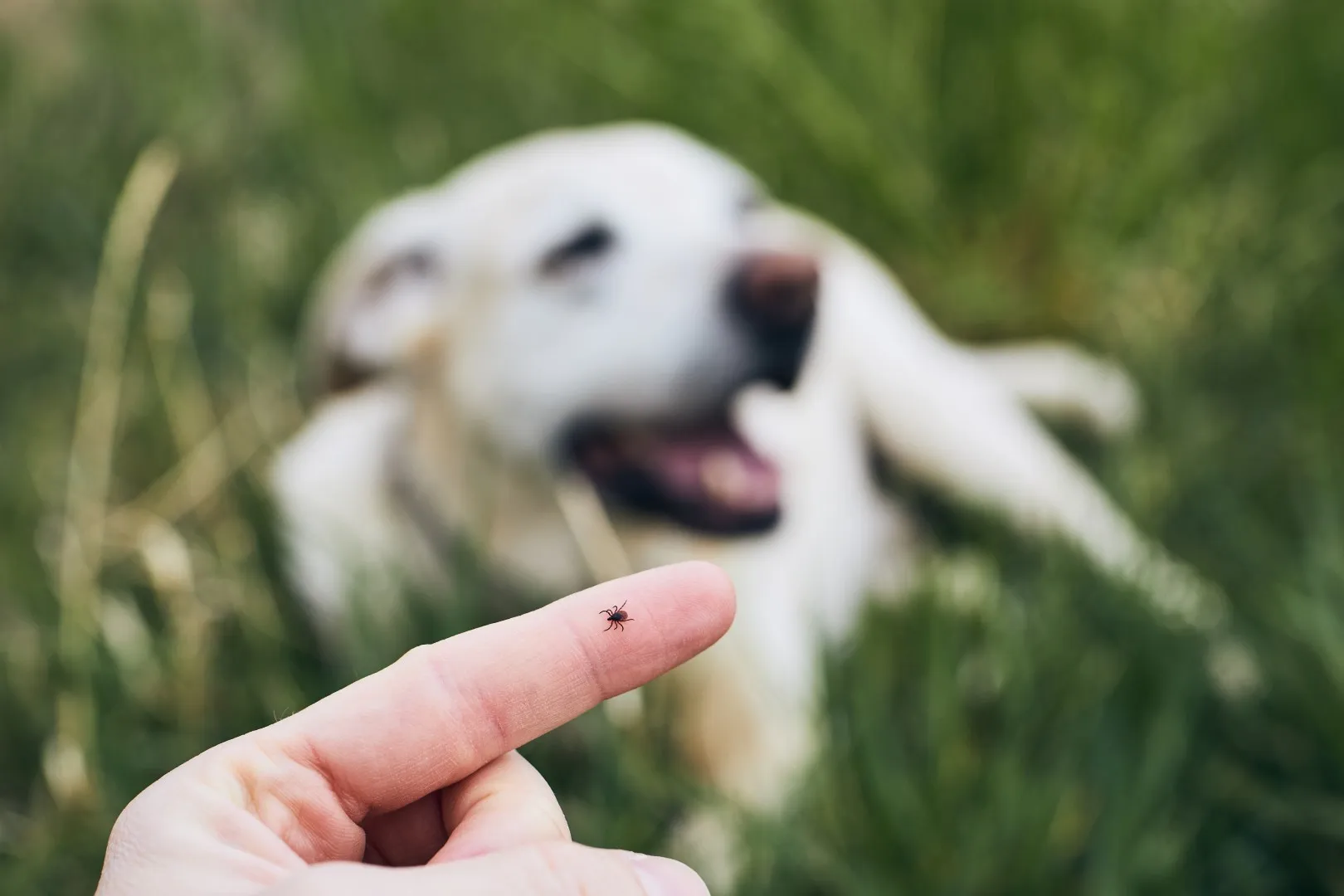
We consider early tick spraying critical because it targets ticks when they’re most vulnerable. By applying treatments before ticks emerge in full force, we disrupt their life cycle and help prevent larger infestations later in the season. This early intervention protects family members and pets while supporting the overall health of the lawn. We typically recommend inspections and treatments in late March or early April, especially in areas where we’ve seen higher tick populations.
When Should Mosquito Prevention Efforts Happen?
We recommend starting mosquito prevention in late spring, once temperatures consistently reach around 50°F. Mosquitoes breed in standing water, so it’s important to treat potential breeding sites early in the season before populations get out of hand. Waiting too long can lead to a sudden, aggressive resurgence as summer sets in.
What Are the Best Mosquito Control Practices for New Hampshire Yards?
We take an integrated approach to mosquito control that combines prevention, monitoring, and treatment. Here’s what we recommend for homeowners:
- Eliminate Standing Water: Regularly check and remove sources of stagnant water around the yard.
- Monthly Spraying: Schedule monthly treatments during peak mosquito season, typically from May to September.
- Habitat Management: Trim vegetation and maintain grass heights to reduce resting sites for adult mosquitoes.
When homeowners follow these steps, they can significantly reduce mosquito populations and enjoy their outdoor spaces more comfortably.
Once a mosquito control schedule is in place, we’re happy to help — homeowners looking for professional support can reach out to us for mosquito and tick control services tailored to their yard’s specific conditions and needs.
How Do Lawn Care Practices Complement Mosquito and Tick Control in NH?
We’ve found that lawn care practices play a real role in how well mosquito and tick control works. Maintaining a healthy lawn through regular mowing, aeration, and fertilization doesn’t just support the grass — it also reduces the habitats these pests rely on. A well-managed yard is naturally less inviting to ticks and mosquitoes, which helps keep infestations down around the home.
How Does Combining Lawn Care with Pest Control Improve Results?
We’ve seen better results when lawn care and pest control are scheduled together. Keeping grass at the right height and eliminating damp areas makes pest treatments more effective, creating conditions that are simply less hospitable to mosquitoes and ticks. This combined approach doesn’t just improve pest management — it also supports a healthier yard overall.
What Safety Guidelines Should Be Followed in NH Mosquito and Tick Spraying?
Safety comes first whenever we apply treatments for mosquito and tick control. We follow guidelines such as:
- Read Product Labels: Follow manufacturer instructions for safe application and recommended protective measures.
- Avoid Peak Activity Times: Limit spraying during breezy days or when mosquitoes are most active, usually at dawn and dusk.
- Protective Gear: Wear appropriate clothing and use masks or goggles to prevent direct exposure to treatment products.
We take public safety and environmental protection seriously in every application we perform.
How Can New Hampshire Homeowners Schedule Professional Mosquito and Tick Control Services?
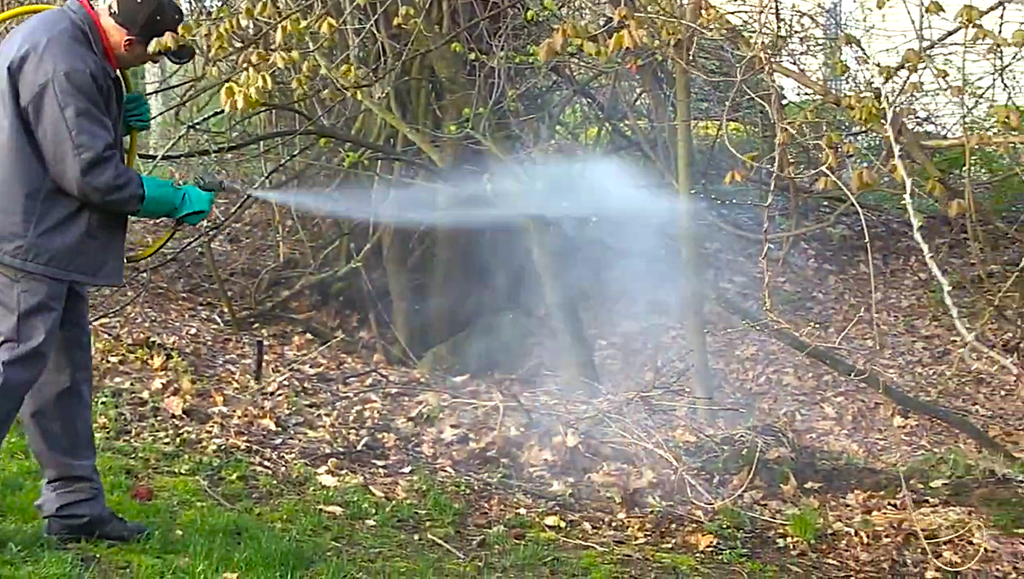
Scheduling mosquito and tick control is easy — homeowners can simply reach out to us directly. We recommend booking treatments ahead of the active pest season to ensure timely protection. Groundhog Turf Care, located at 8 Bowers Rd., Derry, NH 03038, specializes in comprehensive pest management solutions, and we’re here to help clients maintain effective control all season long.
What Are the Latest 2024 Trends in Tick and Mosquito Activity in New Hampshire?
We’re seeing an increase in tick and mosquito populations due to shifting climate patterns. Warmer winters and milder springs are leading to earlier breeding seasons, which means we’re adjusting our recommendations to help homeowners stay ahead of the curve. We encourage homeowners to remain vigilant and responsive, adapting their control measures as conditions change throughout the year.
Regional climate and geography also play a role in how and when pests are most active. In areas with a mix of forest and open land, we tend to see higher pest activity, particularly where wooded areas border yards and fields. Understanding these patterns helps us anticipate peak exposure periods and plan treatments accordingly.
Research & Sources
According to Dr. Alan Eaton of UNH Cooperative Extension (2017), blacklegged ticks occur in all ten New Hampshire counties, with the highest numbers found in the southeast, along the coast, and near the Connecticut River — though new observations continue to turn up further inland and further north. Confirmed NH records of this tick have increased year over year. This trend reinforces why we encourage homeowners across the state, not just in traditionally high-risk areas, to stay proactive about tick control.
Source: Blacklegged Ticks Increasing in NH, Dr. Alan Eaton, UNH Cooperative Extension, 2017
Conclusion
In closing, early season timing determines the success of any tick and mosquito management program in New Hampshire. Initiating treatments before pest populations establish themselves ensures nesting zones remain disrupted throughout the warmer months, allowing homeowners and commercial properties to reclaim their outdoor spaces with confidence. Our licensed specialists apply professional-grade equipment and proven scheduling practices to deliver consistent, effective coverage from spring through the season’s end. A proactive approach, grounded in sound timing and expert application, remains the most reliable path to a safer, more enjoyable landscape all season long.
