
Lawn grubs, the larvae of various beetles, are one of the most damaging pests New Hampshire homeowners face when trying to keep their turf healthy. Left unchecked, these pests can tear through a lawn fast, leaving behind unsightly patches and costly repairs. In this guide, we’ll show you how to spot lawn grubs before they get the chance to damage your NH lawn, walking through the identification techniques and control strategies we rely on to protect turf health. We’ll cover the biology and lifecycle of lawn grubs, the early warning signs of damage, and the best timing for treatment, so you have everything you need to manage and prevent grub infestations.
Identification Techniques:
Knowing how to identify lawn grubs is the first step in preventing the damage they cause. We rely on two key techniques: soil inspections and watching for animal activity that can signal a grub problem.
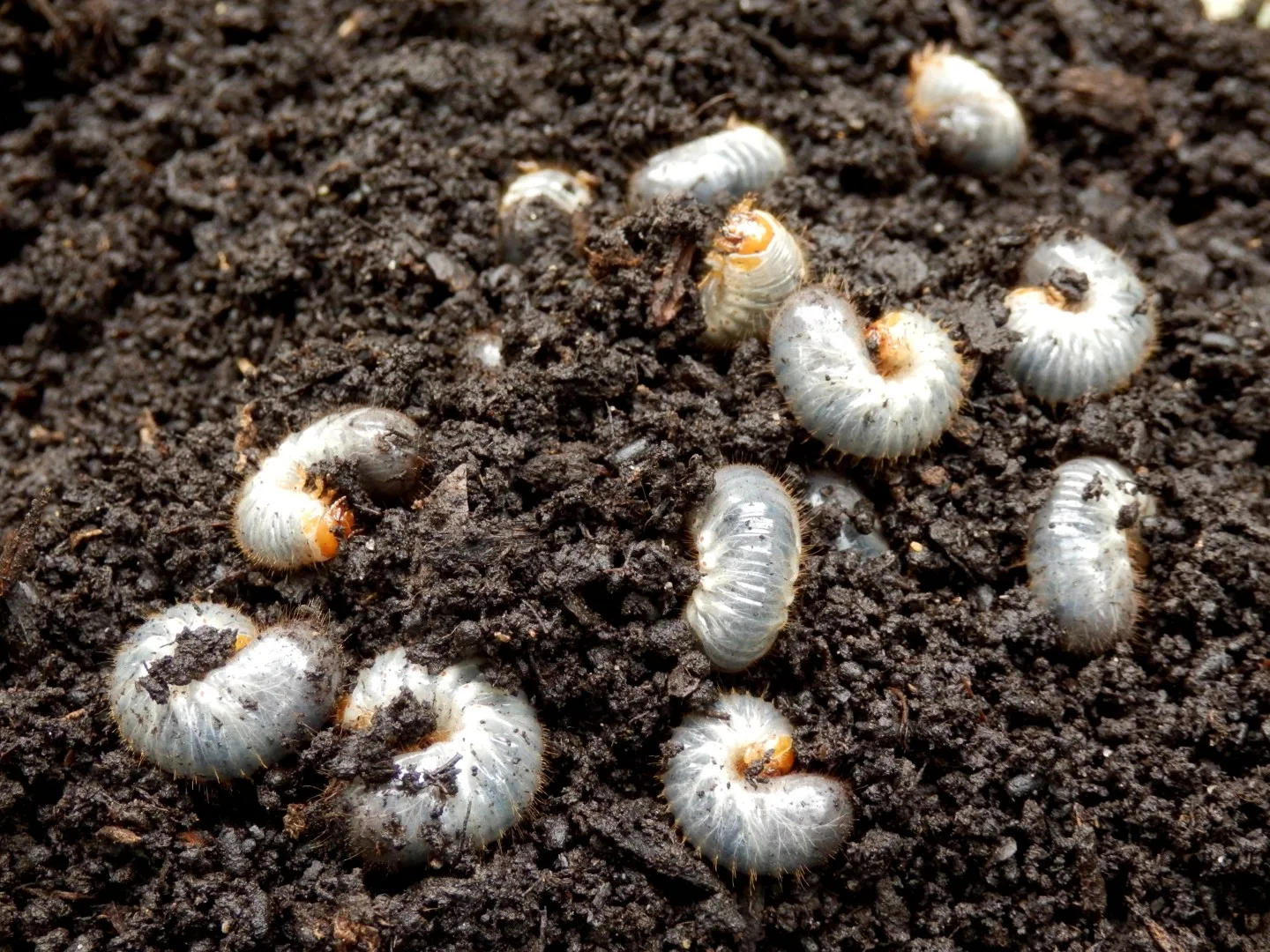
Soil Inspection
Soil inspection means examining your lawn for signs of grubs. Look for c-shaped grubs, typically about an inch long, as you check the soil. The best time to do this is late summer or early fall, when grubs are most active near the surface. We recommend lifting a few small patches of sod to see if grubs are present — catching them early can save your lawn from serious damage down the road.
Animal Activity
Skunks, crows, and raccoons will often dig into lawns to feed on grubs, and their digging is usually one of the first signs of an infestation. Watch for disturbed patches of soil or turf and visible tracks. Recognizing this activity early gives you a head start on inspecting your lawn, so you can catch a grub problem before it turns into something bigger.
Control Strategies:
Once we’ve identified lawn grubs, the next step is putting the right control strategy to work. We use curative treatments, preventive treatments, and a combined approach to keep grubs from taking over your lawn.
Curative Treatments
Curative treatments are designed to eliminate grubs once they’ve been detected. Timing matters here — we apply targeted insecticides while grubs are still small and actively feeding, which is when they’re most vulnerable. We use products formulated specifically for grub management, and our team can advise you on the right timing and application method for your lawn.
Research & Sources
For homeowners who want an additional, independent reference on grub treatment timing, the University of New Hampshire Extension’s guide on treating lawn grubs offers helpful background on when and how curative treatments are most effective — insight that lines up closely with the timing we recommend for New Hampshire lawns.
Preventive Treatments
Preventive treatments are how we stop grub infestations before they ever get started. These treatments disrupt the grub lifecycle and work best when applied in early spring or late summer. We use granules or liquid insecticides designed to keep adult beetles from laying eggs in the soil, which cuts down on future grub populations.
Double-Barreled Approach
For the most complete protection, we combine curative and preventive treatments in one coordinated plan. That means addressing any grubs already in your lawn while putting preventive measures in place to stop future infestations. We schedule these treatments together so both strategies work in sync and deliver the best results.
What Is the Biology and Lifecycle of Lawn Grubs in New Hampshire?
Knowing how lawn grubs develop helps us manage them effectively. Grubs move through several stages — egg, larva, pupa, and adult beetle. In New Hampshire, the species we see most often are European chafers and Japanese beetles, and each has its own lifecycle quirks that shape when and how we recommend stepping in.
Which Lifecycle Stages of White Grubs Affect NH Lawns?
The larval stage is when white grubs do the most damage to New Hampshire lawns. While feeding on grass roots, they leave behind patches of brown or dead grass. This damage peaks in late summer and early fall, when grubs are largest and most numerous — which is exactly why timely intervention matters so much.
How Does Seasonal Variation in NH Influence Grub Development?
New Hampshire’s seasons play a big role in how grubs develop. Warmer temperatures in late spring and early summer bring more beetle activity and egg-laying, and moisture levels affect how well grubs survive. That’s why we keep a close eye on seasonal changes to time treatments effectively.
What Are the Early Signs and Symptoms of White Grub Damage in Lawns?
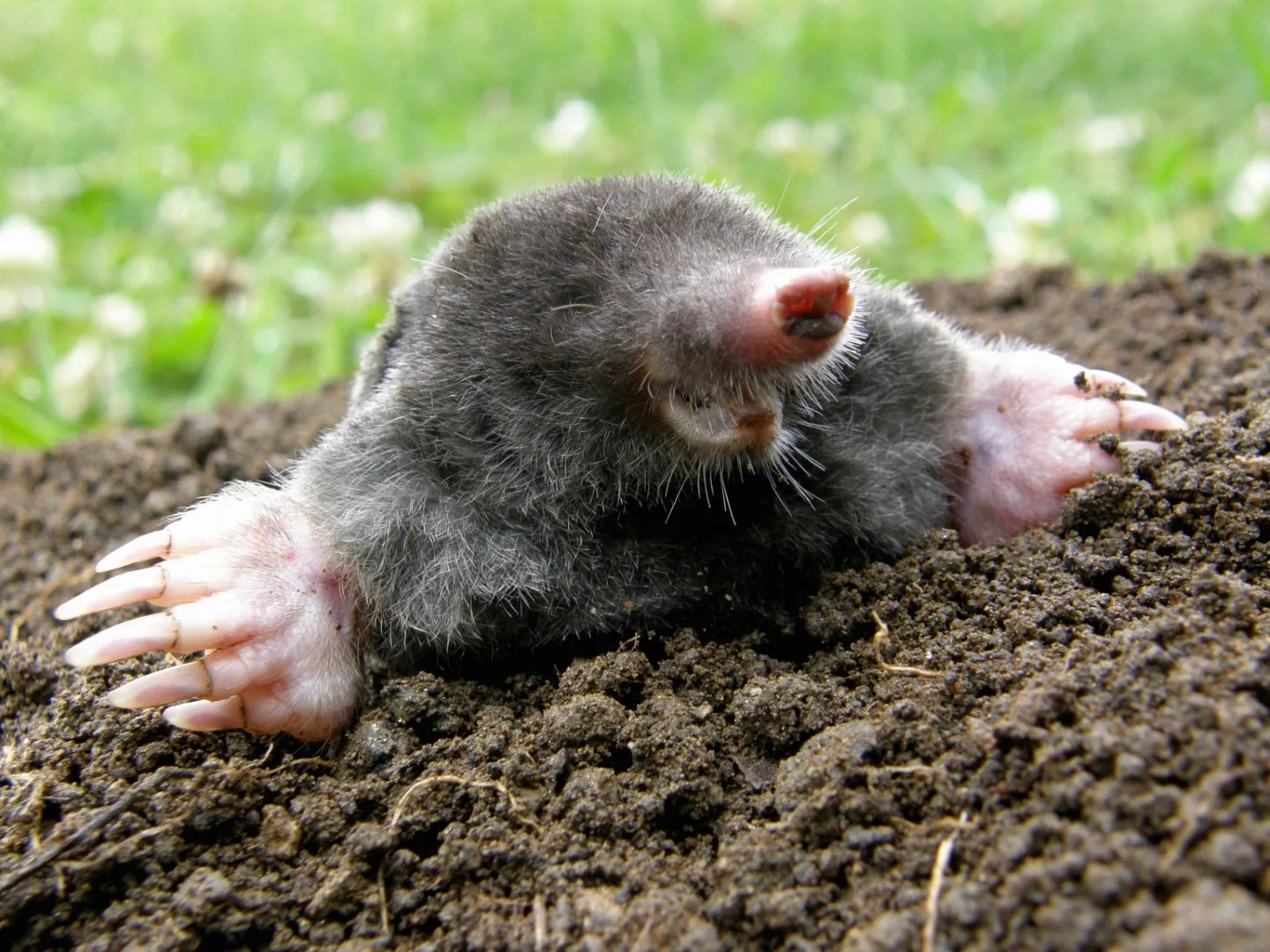
Catching the early signs of white grub damage lets you act before things get serious. Here’s what to watch for:
- Brown patches: Areas where grass has died off due to root destruction.
- Spongy feel: Lawns that feel soft and spongy underfoot may indicate grub damage.
- Visible grubs: Finding white grubs during soil inspections signals an infestation.
Which Turf Damage Symptoms Indicate Lawn Grub Infestation?
Grub infestations tend to show up in a few telltale ways. Keep an eye out for:
- Wilting grass: Grass that turns brown and wilts despite adequate watering.
- Animal activity: Increased digging by pets or wildlife can indicate a grub issue.
- Patches of dead grass: Areas that lift easily from the ground due to root loss.
How Can Homeowners Differentiate Grub Damage From Other Lawn Issues?
It isn’t always easy to tell grub damage apart from other lawn issues. We look at:
- Watering practices: Ensure consistent watering, as drought can cause similar symptoms.
- Fungal problems: Distinguish between grub issues and fungal infections that can affect grass.
- Soil health: Conduct soil tests to assess health, potentially revealing underlying problems.
When Is the Optimal Timing to Detect and Treat Lawn Grubs in New Hampshire?
Late summer and early fall are the best times to detect and treat lawn grubs in New Hampshire. We monitor closely during these windows so treatments go down while grubs are most active and vulnerable.
What Are the Best Seasonal Windows for Grub Inspection in NH Lawns?
Late summer and early fall are also the best windows for inspecting your lawn for grubs. We focus our inspections during this time so we can catch grubs before they cause serious damage and put the right strategy in place.
When Should Professional Grub Treatments Be Applied Locally?
We time professional grub treatments to match the pest’s lifecycle, scheduling them for either late spring, as eggs hatch, or late summer, when grubs are actively feeding. Our team can advise on the best timing based on the pest activity we’re seeing in your area.
Which Professional Lawn Pest Treatments Does Groundhog Turf Care Offer for Grub Control?
At Groundhog Turf Care, we offer comprehensive grub control treatments built specifically for New Hampshire’s conditions. Our services include both preventive treatments and curative pest control measures, tailored to manage grubs effectively and keep your lawn healthy.
What Customized Pest Management Plans Are Available for NH Lawns?
Our customized pest management plans start with an assessment of your lawn’s specific conditions, and we tailor treatments to fit your needs. This personalized approach helps us deliver the best results — addressing existing issues while heading off future threats.
How Do Groundhog Turf Care’s Seasonal Treatments Minimize White Grub Damage?
Our seasonal treatments are built to minimize white grub damage through a combination of preventive and curative solutions. We apply effective insecticides at the key points in the grub lifecycle, keeping your lawn healthy and resilient against infestations.
How Can Lawns Be Repaired and Prevented Against Future Grub Damage in New Hampshire?
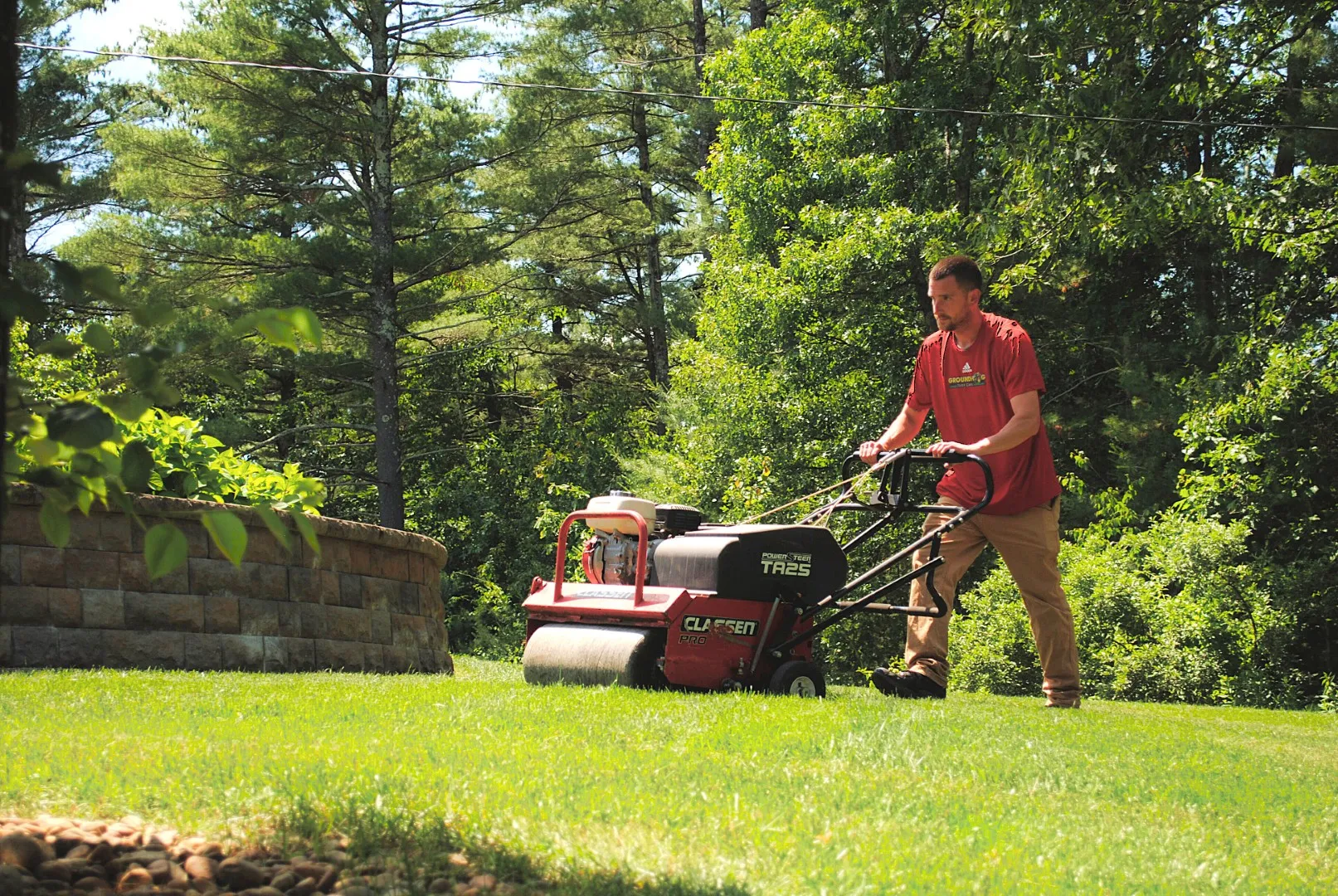
Repairing grub damage and putting preventive measures in place go hand in hand for long-term lawn health. We focus on reseeding damaged areas, improving soil health, and keeping up a regular lawn care routine.
What Are Effective Lawn Repair Strategies After Grub Infestation?
- Aeration: This process helps alleviate soil compaction, allowing roots to breathe.
- Reseeding: Introduce new grass seed to restore damaged areas, promoting quick recovery.
- Soil amendments: Apply fertilizers and organic matter to boost soil health and revitalization.
Which Preventative Measures Enhance Lawn Health and Grub Resistance?
- Regular watering: Maintain consistent moisture levels to promote healthy grass growth.
- Soil testing: Conduct regular tests to evaluate nutrient levels and make necessary amendments.
- Proper mowing: Keep grass at appropriate heights to strengthen root systems and resist pests.
