
As winter approaches, we know how important it is to get trees and shrubs ready for New Hampshire’s harsh climate. Deep root fertilization is a key part of that preparation — it boosts nutrient availability, strengthens a plant’s defenses against the elements, and builds the kind of root system that can handle cold temperatures without missing a beat. In this guide, we’ll walk through why deep root fertilization matters, when to schedule it, which fertilizers work best, and how pairing it with pest control gives your landscape an extra layer of protection. We’ll also share how our team at Groundhog Turf Care helps homeowners get these results season after season.
Why Is Deep Root Fertilization Essential for Trees and Shrubs Before Winter?
Deep root fertilization matters most in the months leading into a New Hampshire winter. It helps prevent nutrient deficiencies during the colder stretch of the year, when trees and shrubs naturally slow down how much they take in. When we apply it correctly, deep root fertilization helps trees and shrubs absorb the nitrogen and phosphorus they need to stay healthy and resilient. We’ve seen it make a real difference in how well plants handle stress, resist disease, and fend off pests.
How Does Deep Root Feeding Enhance Tree Root Nutrition During Cold Climates?
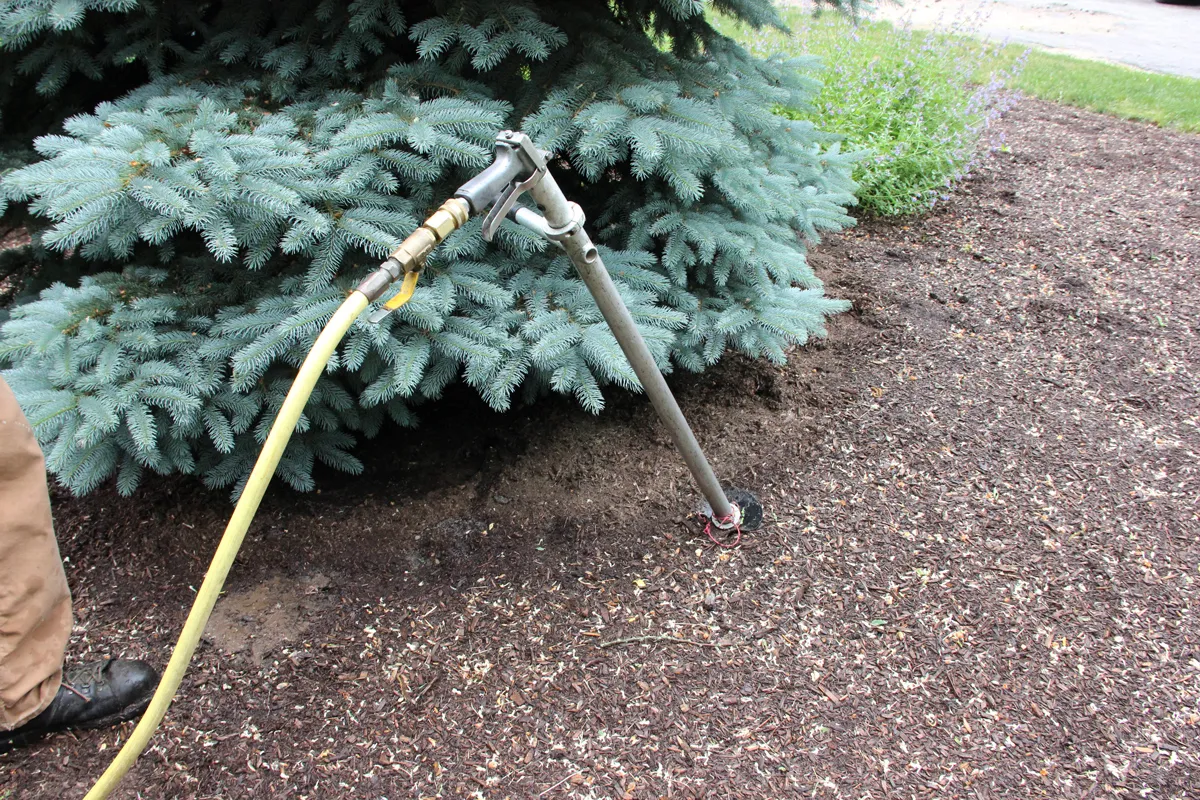
Deep root feeding delivers nutrients straight to the root zone, where trees need them most. Nitrogen in particular kicks off growth and helps build a strong root system. In colder climates, where the ground cools down and nutrients move more slowly through the soil, this targeted approach makes sure trees get what they need heading into winter. Our technicians inject nutrients deeper into the soil than a surface application ever could, giving trees better access to the elements that support growth and health through the dormant months.
What Are the Proven Benefits of Pre-Winter Fertilization for Shrubs?
Pre-winter fertilization gives shrubs a real advantage against the stress of a New Hampshire winter. Better nutrient uptake means stronger, hardier shrubs that hold up under cold temperatures. Well-fertilized shrubs also tend to bloom and leaf out more vibrantly, which keeps a property looking sharp. On top of that, fertilization strengthens a shrub’s natural defenses, making it less vulnerable to pests and disease over the winter. Put it all together, and properly fertilized shrubs are simply more likely to come back strong the following season.
When Is the Optimal Time to Fertilize Trees and Shrubs in New Hampshire’s Cold Weather?
Timing makes all the difference for fertilizing trees and shrubs in New Hampshire. We generally recommend applying deep root fertilizer in early fall, while soil temperatures still support root growth, so plants can take in nutrients before the freeze sets in. Getting the timing right means roots go into winter well-stocked with what they need, which sets plants up for a stronger start come spring.
Which Fall Period Maximizes Deep Root Fertilization Effectiveness?
Getting the most out of deep root fertilization comes down to timing it right within the fall window. Based on New Hampshire’s typical climate patterns, we usually recommend fertilizing between late September and mid-October. During this stretch, soil temperatures stay warm enough for good nutrient absorption, while still giving roots enough time to take everything in before winter arrives. Fertilizing during this window means trees and shrubs head into dormancy with the nutrition they need already on board.
What Are the Risks of Fertilizing Too Early or Too Late?
Fertilizing at the wrong time can actually work against a tree or shrub. Apply it too early — before late summer — and you risk pushing new growth that won’t have time to harden off before frost hits, which can lead to damage. Wait too long, and the ground may already be too cold for roots to absorb what you’re feeding them, with nutrients lost to frost or leaching before they can do any good. That’s why we pay close attention to regional conditions before scheduling any application.
What Are the Best Fertilizer Types and Application Methods for Winter Tree Care?
Choosing the right fertilizer and application method makes a big difference in how well trees and shrubs come through winter. Different formulations affect how available nutrients are and how well plants absorb them.
Which Fertilizer Formulations Deliver Optimal Nutrients for Root Absorption?
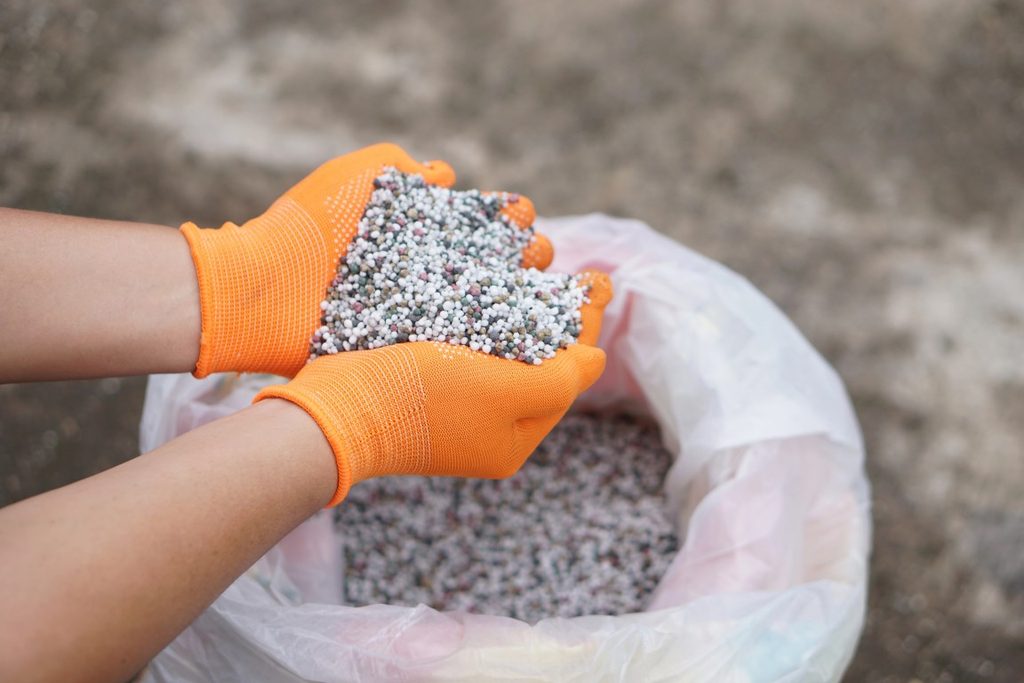
For winter tree care, we typically rely on slow-release granular fertilizers and liquid fertilizers, depending on what a property needs. Slow-release granular formulas feed plants gradually, keeping a steady nutrient supply through the winter months. Liquid fertilizers, on the other hand, get nutrients to the roots quickly when plants need a more immediate boost. We also look closely at NPK ratios to make sure each application is balanced for the specific plants we’re treating.
How Are Deep Root Feeding Techniques Properly Executed by Professionals?
Deep root feeding takes the right equipment and a careful hand. Our team uses specialized tools that inject fertilizer directly into the soil at the depth roots can actually use, which cuts down on nutrient loss at the surface and gets nutrition where it counts. We take care with every application to avoid damaging roots and to make sure the fertilizer does what it’s supposed to do. It’s this kind of precision that lets us help plants make the most of the transition into winter.
How Can Pest Control Be Integrated with Deep Root Fertilization Before Winter?
Pairing pest control with deep root fertilization is one of the smartest ways to protect a landscape. Healthy, well-fed trees and shrubs are naturally more resistant to pests, which makes them far less appealing to insects looking to overwinter.
Which Overwintering Pests Affect Trees and Shrubs and How Does Fertilization Help?
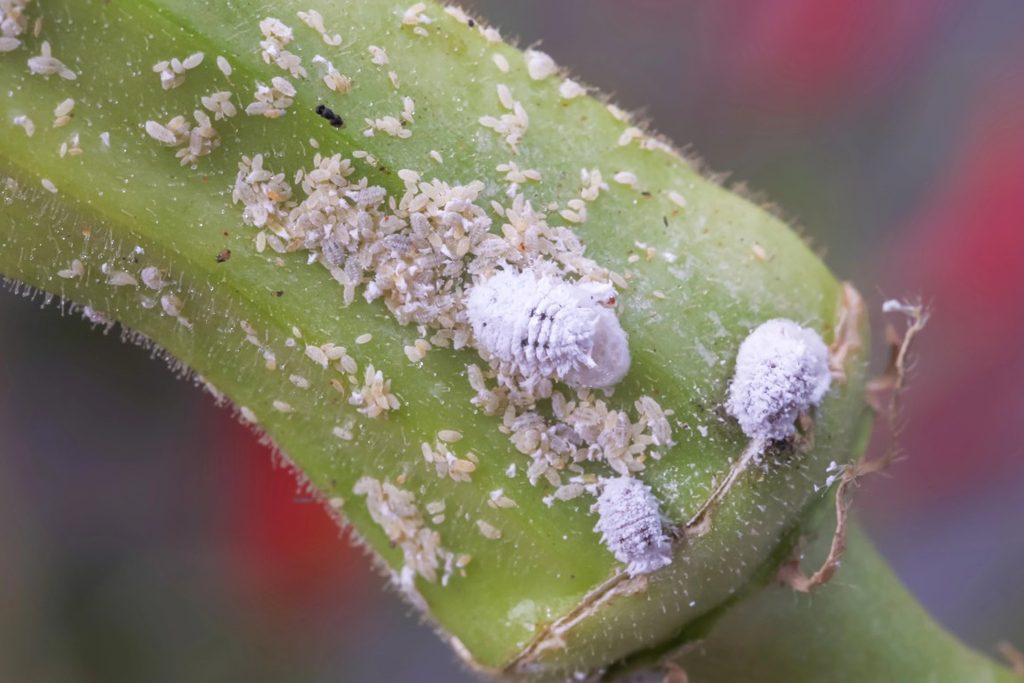
Aphids and spider mites are two of the most common overwintering pests we see on New Hampshire properties, and both tend to target plants that are already stressed. Trees and shrubs that have had deep root fertilization are simply better equipped to resist them. A stronger, well-nourished plant has better natural defenses, which means fewer infestations and healthier foliage when spring rolls around.
What Professional Services Does Groundhog Turf Care Offer for Combined Fertilization and Pest Control?
We offer services that bring deep root fertilization and pest control together under one plan. Our team assesses the health of your trees and shrubs and builds a fertilization strategy around what they actually need, so they don’t just survive winter — they come through it ready to thrive. By combining smart nutrient application with proactive pest management, we help homeowners feel confident that their landscape is protected and primed for the growing season ahead.
How Has Pre-Winter Fertilization Improved Tree and Shrub Health in New Hampshire Properties?
On the properties where we’ve applied deep root fertilization, we consistently see healthier, more vibrant trees and shrubs. Plants that go through this process show fewer signs of winter stress and frost damage, and they tend to bounce back faster once the weather warms. Beyond just looking good, that kind of plant health adds real value to a property.
“If you are looking for top-tier tree and shrub care, I highly recommend this company, and especially Emily!!” — Debby D. (Bedford, NH)
How Can Homeowners Schedule Professional Deep Root Fertilization Services in New Hampshire?
Scheduling deep root fertilization with us is simple, and it’s the best way to make sure your landscape is ready before winter sets in.
What Steps Are Involved in Requesting a Quote and Service Appointment?
Getting started is easy — homeowners can request a quote or book an appointment by filling out a service request on our website or giving us a call to talk through what their property needs. Our team is ready to walk you through the process and put together a plan tailored to your trees and shrubs.
Which Additional Lawn and Pest Control Services Complement Winter Fertilization?
Deep root fertilization works even better alongside other seasonal services. Aeration, overseeding, and routine pest evaluations all help keep a landscape healthy through the winter months. When we pair these services with fertilization, homeowners get a more complete approach to lawn and garden care that carries them well beyond just winter prep.
FAQ
Why do trees and shrubs need deep root fertilization before winter?
Deep root fertilization prevents nutrient deficiencies as plants slow down for winter, helping them absorb the nitrogen and phosphorus needed to stay healthy. It builds resilience against stress, disease, and pests during New Hampshire’s harsh cold months.
When is the best time to fertilize trees and shrubs in New Hampshire?
The optimal window falls between late September and mid-October, while soil temperatures still support nutrient absorption. This timing ensures roots take in what they need before the ground freezes for winter.
What happens if fertilization is done too early or too late?
Fertilizing too early, before late summer, pushes new growth that won’t harden off before frost, causing damage. Fertilizing too late means the ground may already be too cold for proper root absorption.
Conclusion
In closing, fall deep-root fertilization equips trees and shrubs with the nutrient reserves needed to withstand winter dormancy and emerge with stronger spring growth. This targeted application supports root development below the soil surface, where it matters most for long-term plant resilience. Our licensed specialists apply science-driven Plant Health Care principles to determine the right timing and formulation for each landscape. Property owners seeking healthier, more disease-resistant woody plants should consider this treatment an essential component of a comprehensive seasonal care strategy rather than an optional add-on.
