
As autumn settles into New Hampshire, we know a lot of homeowners start wondering if it’s still worth aerating and overseeding the lawn. We think aeration and overseeding are two of the most important things you can do for a healthy lawn, but timing really does matter if you want the best results. In this article, we’ll walk you through the ideal timing for these services, how New Hampshire’s climate factors into the equation, and how we tailor our approach at Groundhog Turf Care to get your lawn in great shape before winter hits.
What Is the Optimal Timing for Aeration and Overseeding in New Hampshire?
We generally recommend aerating and overseeding sometime between late summer and late fall. This gives new grass seedlings time to put down roots before winter arrives. As the weather cools, soil temperatures stay right where they need to be for good seed germination, especially through September and into early October. Aeration loosens up compacted soil so water and nutrients can actually reach the roots, while overseeding fills in thin spots with fresh grass that’s suited to our local conditions.
We also lean on established turf research to back up our approach — choosing the right season really is the foundation of a successful lawn renovation.
Best Seasonal Timing for Lawn Renovation and Overseeding Areas for renovation with improved turfgrass species and cultivars can be seeded again from late summer through the autumn. IPM handbook for golf courses, 1998
We typically recommend scheduling aeration and overseeding soon after the last spring frost, since that timing sets your lawn up for the best possible results. When you plan ahead with us, we can help your lawn look healthier and more resilient all year round.
How Does New Hampshire’s Climate Affect Aeration and Overseeding Schedules?
New Hampshire’s climate plays a big role in how we approach lawn care. We work with a relatively short growing season, bookended by cold winters and warm summers. From late September through mid-October, soil temperatures tend to hold steady, which creates great conditions for growth and seed establishment.
Overview of Growing Seasons
Our growing season typically runs from late April to late October. Grass grows best when conditions are mild — not baking in summer heat and not fighting off winter cold.
Soil Health and Root Development Considerations
Healthy soil is everything for strong grass. Nutrient levels and moisture both affect how well your lawn grows, which is why we aerate before winter — it opens up the soil and helps roots grow deeper and stronger.
We always tell clients that well-prepared soil is the real foundation of a successful overseeding project.
Essential Soil Conditions for Successful Lawn Overseeding Desirable soil characteristics such as texture, structure, aeration, and moisture-holding capacity are important in seedbed preparation. Stand establishment, 1996
Frost Implications for Seeding Success
Frost is one of the biggest factors we watch for during late-season lawn care, since it can damage newly planted seedlings if timing is off. That’s why we like to get aeration done before the first frost — it gives your lawn a real head start heading into spring.
Why Is Late September to Mid-October Recommended for Lawn Aeration and Overseeding?
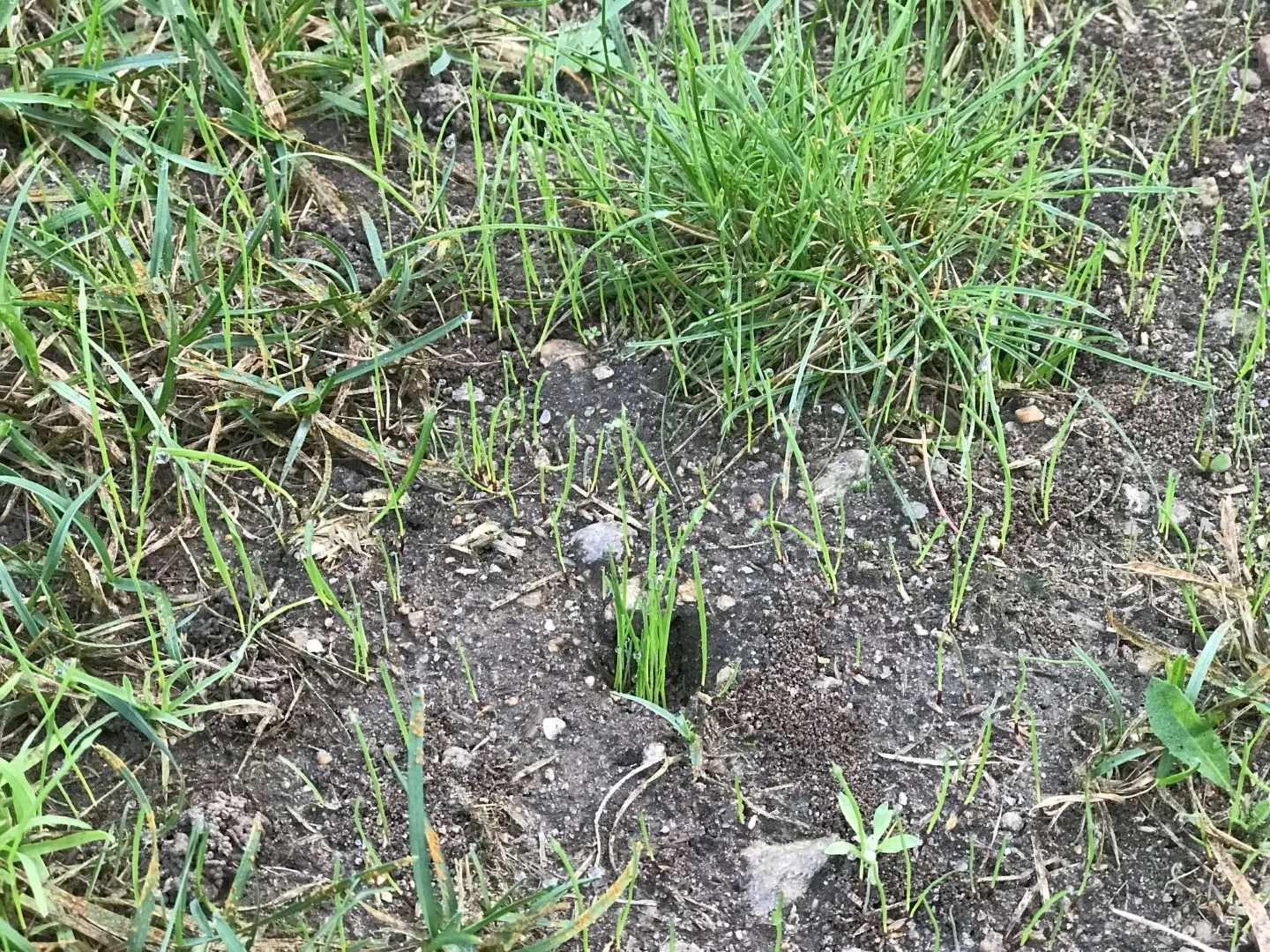
We consider late September through mid-October the sweet spot for aeration and overseeding, and there are a few reasons why.
Weather Conditions for Grass Seed Germination
Cooler weather combined with steady moisture creates ideal germination conditions. Lower temperatures also mean less stress on new seedlings, so they can establish themselves more easily.
Importance of Weed Decline in Fall
As temperatures drop, most weeds start to die back, which means less competition for your new grass and a better shot at establishing itself.
Benefits of Combining Aeration and Overseeding
Pairing aeration with overseeding gives you the best of both worlds. The holes created during aeration let seed make direct contact with soil, which boosts germination rates and helps roots grow stronger.
Beyond better seed contact, aeration also opens up pathways in the soil that matter for your turf’s long-term health.
What Are the Benefits of Aeration and Overseeding Before the First Frost in NH?
Getting aeration and overseeding done before the first frost gives your lawn a real advantage heading into winter.
Put it all together, and you get a lawn that’s not just healthier, but tougher going into the colder months.
How Does Frost Influence Successful Overseeding and Aeration in New Hampshire?
Frost has a direct impact on how well aeration and overseeding turn out, so we always keep an eye on the forecast when planning our schedule.
Timing Mechanics Around Frost
We aim to finish aeration and overseeding before the first hard frost hits. Seedlings need enough time to root before they’re exposed to freezing temperatures.
Risks Associated with Late Aeration
Wait too long, and roots won’t have time to develop properly, which can hurt your lawn’s health come spring.
Benefits of Early Fall Service
Getting your service done in early fall gives your lawn a cushion against frost risk, so the grass has time to adapt and grow before winter sets in.
How Should Homeowners Prepare Their Lawns for Late Season Aeration and Overseeding in NH?
We recommend a few simple steps to get your lawn ready for late-season aeration and overseeding so you get the most out of the service.
Soil Preparation Practices: Mow the lawn as short as you comfortably can so seed can actually reach the soil.
Best Grass Seed Varieties: Choosing the right grass seed for our climate matters. Cool-season grasses like Kentucky bluegrass and fine fescues do especially well here.
Fertilizer Recommendations: A starter fertilizer made for new grass helps roots grow strong and get established faster.
Follow these steps, and you’ll set your lawn up for a much better outcome.
What Lawn Pest Control Strategies Complement Fall Aeration and Overseeding in NH?
Pairing aeration and overseeding with the right pest control keeps your newly established grass protected while it grows in.
Identifying Common Lawn Pests
We keep an eye out for common New Hampshire pests like grubs and chinch bugs, since catching them early makes all the difference.
Integrating Pest Control with Aeration
We plan pest control alongside aeration to keep new grass from being undermined by an infestation. Integrated Pest Management (IPM) is one approach we find especially effective.
Timing for Effective Management
We time pest control treatments to line up with aeration and overseeding, so your new grass has the best chance to take hold.
Is October Still a Viable Time to Schedule Aeration and Overseeding Services in NH?
Yes — October is still a great time to schedule aeration and overseeding in New Hampshire, especially if you want to give your lawn a boost before winter.
Conditions for Successful October Service
As temperatures start to cool, conditions can still be quite favorable for a successful service, especially with the right planning and prep work.
Comparative Benefits of October Over Other Months
Servicing your lawn in October lets you take advantage of soil that’s still holding onto some warmth, while avoiding the heavy weed competition you’d see earlier in the season.
Weather Influences on Aeration and Overseeding
October weather can be a bit unpredictable, so we always keep a close eye on the forecast to make sure conditions stay favorable for your grass after we finish.
How Does Groundhog Turf Care Tailor Aeration and Overseeding to NH’s Late Fall Conditions?
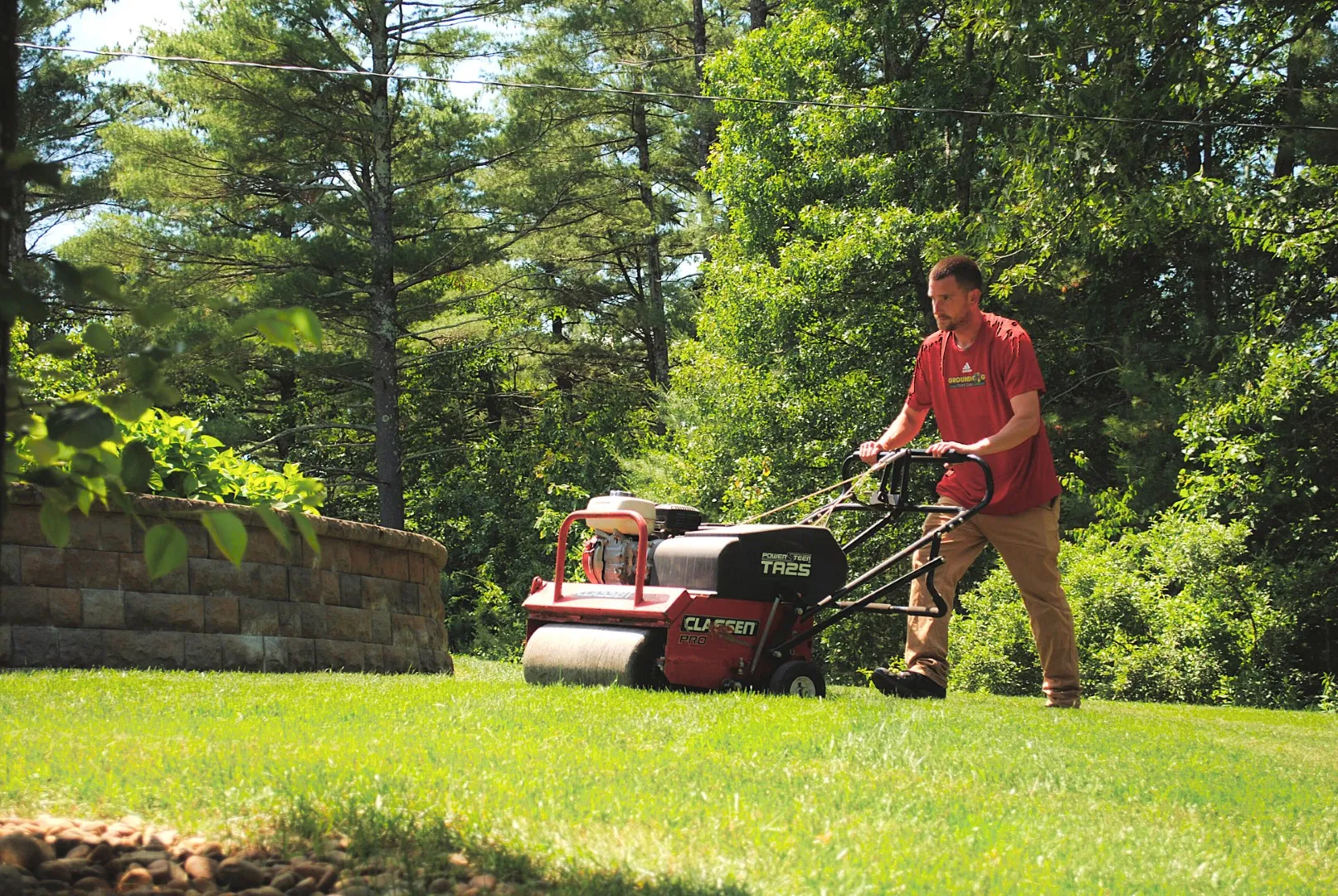
We build our aeration and overseeding services around the specific challenges that late fall throws at New Hampshire lawns.
Adjusting Service Timing Based on Conditions
We keep a close watch on local weather patterns so we can adjust scheduling on the fly and give your lawn the best possible shot at success.
Specific Techniques Employed
We use advanced aeration techniques that improve soil penetration, creating the right conditions for newly planted seed to take hold.
Client Benefits of Groundhog’s Approach
With our local expertise and hands-on approach, you can trust that your lawn is in good hands and that we’re working toward lasting results, not just a quick fix.
When Should Homeowners Request Lawn Care Quotes to Ensure Optimal October Scheduling?
If you want to lock in October service, we suggest planning ahead.
Timelines for Requesting Quotes: We recommend reaching out for a quote by early October to secure your spot.
Importance of Early Planning: Reaching out early helps us schedule efficiently and make sure we have the right resources ready for your lawn.
Details to Provide for Quotes: Let us know about your lawn’s current condition and any previous treatments so we can put together an accurate quote for you.
Follow these steps, and we’ll help you get the most out of your fall lawn care.
FAQ
Is October too late for aeration and overseeding in New Hampshire?
Mid-October still falls within the recommended window, since soil temperatures stay favorable through this period. Getting the work done before the first frost gives seedlings a real head start heading into spring.
Why does late September to mid-October work best for aeration and overseeding?
Cooler weather and steady moisture create ideal germination conditions during this period, and lower temperatures reduce stress on new seedlings. Weeds also decline as temperatures drop, giving new grass less competition.
How does frost affect the success of fall overseeding?
Frost damages newly planted seedlings if timing is off, making it one of the biggest factors watched during late-season lawn care. Groundhog Turf Care aims to complete aeration before the first frost hits.
Conclusion
In closing, timing remains the decisive factor in successful aeration and overseeding, and New Hampshire’s growing season imposes real limits on when soil and seed can establish properly. Our licensed specialists evaluate each property’s conditions to determine whether an October application still supports strong root development or whether scheduling shifts to protect long-term turf health. Rather than compromising results, we prioritize agronomic timing that yields dense, resilient lawns. Property owners seeking clarity on their specific site should consult with our team to plan renovation work that aligns with sound soil science and seasonal realities.
