
As summer winds down and lawns start settling into fall, we see a golden opportunity for homeowners to get their yards ready for the year ahead. Building a solid lawn care strategy now can set the stage for healthy growth and better resistance to pests and disease come spring. In this article, we’ll walk through what fall lawn prep really involves — fertilization, aeration, overseeding, pest control, and smart scheduling — so you can get the most out of your lawn care investment and enjoy a vibrant, healthy yard all year long.
Key Takeaways
New Hampshire’s growing season runs 30 weeks, from April through November, shaping our fall planning schedule.
We apply slow-release granular fertilizer lasting 30–35 days, so fall timing sets next season’s feeding plan.
Fall lets us address Plant Health Care factors now, strengthening tree and shrub resilience before next year’s stresses hit.
Cool-season grasses face specific fungal pressures, so we schedule fall disease prevention ahead of next year’s growth.
What Are the Key Benefits of Fall Lawn Fertilization?
Fall is our favorite season for fertilizing lawns because it helps grass absorb nutrients more efficiently, builds stronger roots, and sets up a strong start for spring. Feeding your lawn now gives the grass what it needs during a critical growth window, while also improving the soil’s health for the long run. As microbial activity picks up in the soil this time of year, roots soak up those nutrients more effectively, leading to a thicker, healthier lawn once spring arrives.
How Does Fall Fertilization Enhance Nutrient Absorption for Spring Growth?
Fall fertilization works so well mainly because root activity increases. As temperatures cool down, grass roots grow stronger and put the nutrients we apply to good use. This shows up clearly with key nutrients like nitrogen, phosphorus, and potassium, which support healthy leaf growth and stronger roots. The result is lush growth in spring and a lawn that can better handle stress from weather and everyday wear.
Which Fertilizer Types and Application Timing Are Most Effective in Autumn?
Picking the right fertilizer matters a lot in the fall. We typically recommend a balanced 20-10-10 NPK blend, which gives the lawn what it needs for root growth and recovery. Timing matters just as much — we like to apply fertilizer after the last mow of the season, generally between mid-September and early November, to get the best results. This window lines up with how grass naturally grows this time of year, which helps the lawn get the most out of the treatment.
Why Is Fall the Ideal Season for Lawn Aeration and Overseeding?
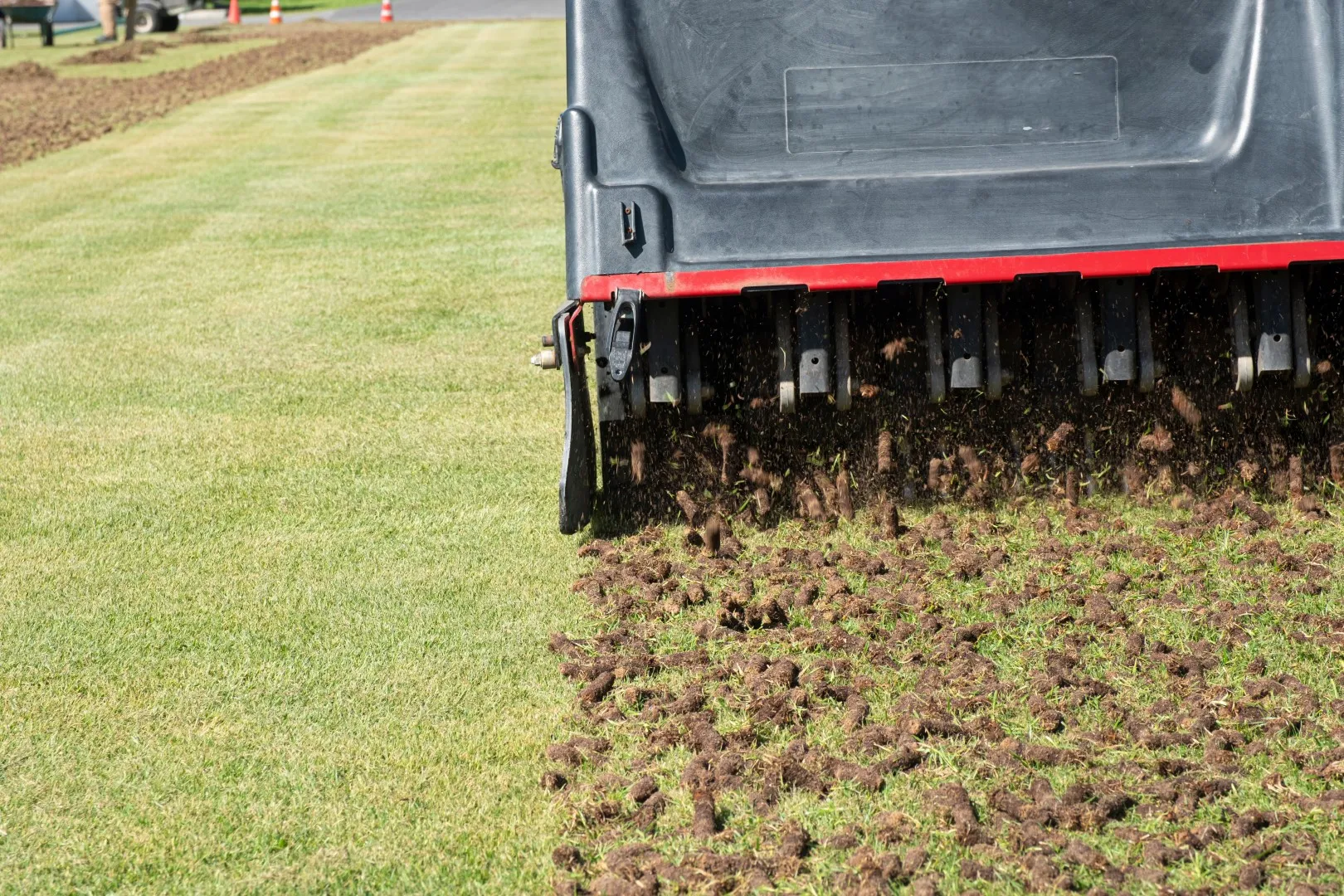
Fall isn’t just about fertilizing — it’s also prime time for aeration and overseeding. Aeration relieves soil compaction and helps roots get to the water and nutrients they need, while overseeding brings in new grass varieties that thicken the turf and help it fend off weeds. Together, these two practices build a lawn that’s ready to handle whatever spring throws at it, from drought to disease.
What Are the Scientific Benefits of Aeration in Preparing Soil for Winter?
Aeration eases soil compaction, which lets air, water, and nutrients reach the roots more easily. It also improves the overall structure of the soil and encourages the microbial activity that breaks organic matter down into usable nutrients. By physically breaking up compacted layers, aeration gives roots room to spread out and grow. As the root system gets stronger, the grass is better equipped to make it through a tough winter.
How Does Overseeding in Fall Promote Turf Density and Weed Resistance?
Overseeding in the fall is one of the best ways to thicken your lawn and keep weeds at bay. Adding new, disease-resistant grass varieties fills in thin spots and helps the turf compete better against weeds. Thicker grass blades shade the soil, which cuts down on the sunlight weed seeds need to sprout. It’s a proactive step that gives you a fuller lawn now and an easier time managing weeds down the road.
Which Yard Pests Require Control During Fall to Protect Next Year’s Lawn?
As the weather cools, several pests can still threaten your lawn’s health, which is why we pay close attention to pest control this time of year. Here in New Hampshire, the pests we watch for most are grubs, chinch bugs, and armyworms — each with its own life cycle that can do real damage to your turf if left unchecked.
What Are the Common Fall Lawn Pests in New Hampshire and Their Life Cycles?
Grubs: Beetle larvae that feed on grass roots in late summer and early fall, leaving behind brown patches.
Chinch Bugs: These pests thrive in heat and drought, damaging grass blades by injecting toxins as they feed.
Armyworms: They can chew through a lawn quickly, leaving sparse, unhealthy patches behind.
Knowing these pests and how they operate lets us step in at the right time to protect and strengthen your lawn.
What Proven Pest Control Strategies Does Groundhog Turf Care Employ in Autumn?
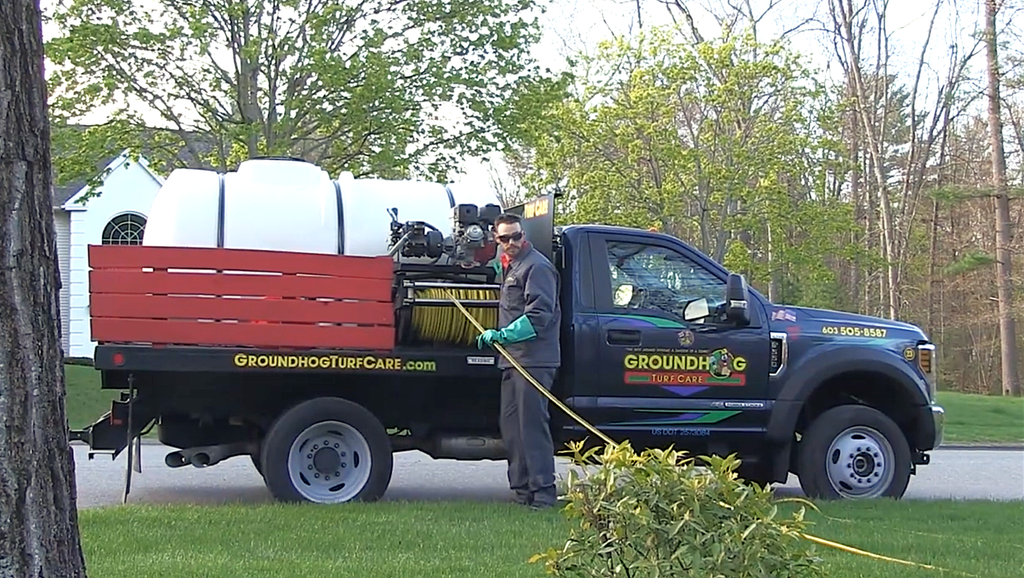
We rely on a range of proven strategies to keep pests in check during the fall. Integrated pest management is at the core of what we do, combining smart cultural practices with targeted treatments. We also apply residual insecticides at the right thresholds to keep protection going strong throughout the season. Our goal is always to use less while getting more — controlling pests effectively while keeping the lawn’s ecosystem healthy.
How Should Homeowners Schedule Lawn Care Programs for Effective Fall Treatment?
Getting the timing right on lawn care services makes a big difference in the fall. We encourage homeowners to plan their services around what’s best for the lawn, taking local weather patterns and their property’s specific needs into account.
When Is the Optimal Booking Window for Fall Lawn Care Services in New Hampshire?
In New Hampshire, we recommend booking fall lawn care services between late September and mid-November. This window matches up with how the turf naturally grows, so treatments like fertilization, aeration, and pest control can do their best work. Booking early also helps make sure we can get to your property when it matters most, so you get the full benefit of each treatment.
Effective Practices to Prepare Lawns for Winter Dormancy
Getting your lawn ready for winter dormancy plays a big role in keeping it healthy through the colder months. A few smart moves in the fall can make a real difference in reducing turf damage and setting your lawn up for a strong comeback in spring.
How Does Proper Fall Preparation Minimize Winter Turf Damage?
Good fall prep goes a long way in cutting down on winter damage. We recommend a final fertilization treatment to nourish the roots before the lawn goes dormant. Mowing a bit shorter as winter approaches helps reduce the risk of snow mold and other diseases, and clearing leaves and debris keeps air moving across the lawn, which protects the grass from added winter stress.
What Lawn Aeration Benefits Support Winter Turf Resilience?
Aeration makes a real difference for winter resilience. By breaking up compacted soil and opening up channels for air and moisture, it helps roots grow stronger and pull in the nutrients they need, which cuts down on winter dieback. It’s a simple step that helps your lawn handle the cold and come back strong when spring rolls around.
FAQ
When should homeowners apply fall fertilizer for the best results?
Groundhog Turf Care applies fertilizer after the last mow of the season, generally between mid-September and early November. This timing lines up with natural grass growth patterns for maximum nutrient uptake.
What fertilizer blend works best for fall lawn care?
A balanced 20-10-10 NPK blend supports root growth and recovery going into winter. This mix delivers nitrogen, phosphorus, and potassium for healthy leaf growth and stronger roots.
Why should aeration and overseeding happen together in fall?
Aeration relieves soil compaction so roots access water and nutrients more easily, while overseeding fills thin spots with disease-resistant grass. Together, they build turf density and stronger weed resistance heading into spring.
Conclusion
In closing, autumn planning sets the foundation for a healthier, more resilient lawn throughout New Hampshire’s demanding growing season. By assessing turf conditions now, homeowners position themselves to begin the following year with a coordinated program rather than reactive treatments. Our licensed specialists bring the agronomic expertise and disciplined scheduling necessary to translate fall observations into a structured plan for spring. Investing this thought and preparation today ensures greener, denser, and more disease-resistant turf when the growing season returns.
