
As the vibrant colors of fall settle in, we know it’s time for New Hampshire homeowners to start getting their lawns ready for winter. A well-maintained lawn doesn’t just look great — it comes back stronger and greener in spring. In this guide, we’ll walk you through the fall lawn care practices we rely on with our own customers, including fertilization, pest management, and winter prep. Every lawn is a little different, and knowing the right approach makes a real difference when the cold weather hits. We’ll cover fertilization timing, aeration, overseeding, and pest control, along with the steps we recommend to get NH lawns through winter in good shape.
Key Takeaways
- We fertilize your NH lawn in fall to rebuild roots and store energy for winter survival.
- Groundhog Turf Care aerates compacted soil each fall to boost oxygen, water, and nutrient flow.
- Fall overseeding fills bare spots, thickening turf before winter dormancy sets in across Derry, NH.
- We control fall weeds now, stopping them from spreading before your lawn wakes up in spring.
Fall Maintenance Steps:
A healthy lawn heading into winter comes down to a few key steps, and we walk every property through the same core routine.
- Mow the Grass: We start by mowing the lawn a bit shorter to prevent matting and let air move through the turf.
- Aerate: Aerating improves drainage and helps roots take in nutrients before winter sets in.
- Fertilization: We apply a fertilizer high in nitrogen, phosphorus, and potassium to strengthen the grass and build up root systems that can handle the cold.
Together, these steps give a lawn the foundation it needs to get through winter and bounce back strong.
When Is the Optimal Time for Fall Lawn Fertilization in New Hampshire?
Timing matters when fertilizing New Hampshire lawns in the fall. We typically recommend applying fertilizer from late August to early October, while the soil is still warm and roots are actively growing. Fertilizing in this window gives the grass time to absorb nutrients and build the strength it needs to handle winter stress.
Fertilizer Types:
For fall applications, we look for fertilizers rich in nitrogen, phosphorus, and potassium. We prefer slow-release formulas because they feed the lawn gradually, keeping nutrients available over a longer stretch of the season.
Application Techniques:
We aerate the lawn before fertilizing so the nutrients can reach the roots instead of sitting on the surface. After fertilizing, we hold off on mowing for a bit to give everything time to settle in and do its job.
How Does Timing Affect Turfgrass Root Development and Winter Hardiness?
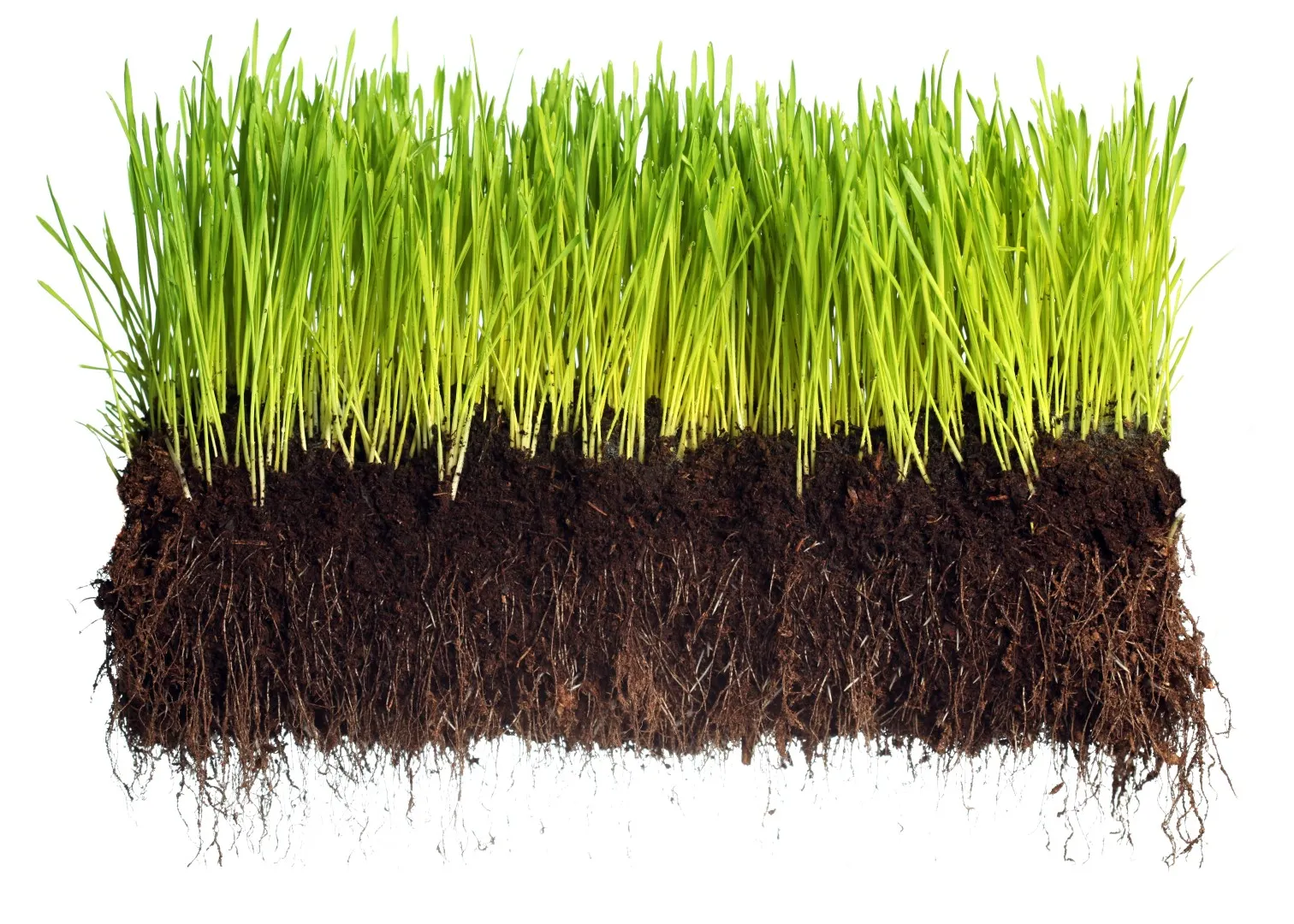
Getting the timing right makes a real difference in how well turfgrass roots develop and how ready they are for winter. Applying nutrients at the right moment helps roots grow deeper and stronger, giving the lawn more stability as it heads into dormancy. Aerating around this same time also improves how well oxygen moves through the soil, making it easier for roots to pull in nutrients as temperatures drop.
What Are the Recommended Fertilizer Types for Late Fall Application?
For late fall, we focus on fertilizers higher in potassium and phosphorus. These nutrients help the grass hold up against winter stress and support root systems through dormancy. We still lean on slow-release fertilizers here too, since they keep feeding the grass steadily without washing away in rain or melting snow.
Which Aeration and Overseeding Practices Best Prepare NH Lawns for Winter?
Pairing aeration with overseeding is one of the most effective ways we help lawns get ready for winter — it improves nutrient uptake and strengthens the turf overall.
- Aeration Benefits: Aerating relieves soil compaction and opens up room for air and water to reach the roots, building a healthier root system.
- Overseeding Advantages: Overseeding fills in thin or bare patches and introduces grass varieties suited to our local climate, making the lawn thicker and more resilient.
Why Is Aeration Crucial for Soil Oxygenation and Seed-to-Soil Contact in Fall?
We treat aeration as a must-do step every fall because it breaks up soil compaction that would otherwise choke off root growth and nutrient absorption. Once the soil opens up, oxygen, water, and nutrients can reach the roots far more effectively, which keeps the whole lawn healthier.
How Does Overseeding Improve Turf Density and Pest Resistance Before Winter?
Overseeding thickens up the lawn, which naturally crowds out weeds and makes the grass more resistant to pests and disease. A denser lawn also bounces back faster from winter stress, giving it more support and nutrition once spring arrives.
What Are Common Fall Lawn Pests in New Hampshire and How Is Pest Control Effectively Implemented?

Keeping fall pests in check is a big part of keeping a lawn healthy. Here in New Hampshire, grubs and ticks are the two we watch for most closely, since both can do real damage if they go unchecked.
Which Pest Species Pose the Greatest Risk to Lawns in Fall?
Grubs are usually the biggest concern — they feed on grass roots and can cause serious damage fast. Catching them early makes all the difference in keeping the lawn healthy and green.
How Do Integrated Pest Control Methods Protect Lawns Without Compromising Fertilization?
We rely on integrated pest management (IPM) to balance pest control with overall lawn health. That means using natural repellents and keeping an eye on pest activity, so our pest control efforts work alongside fertilization instead of against it.
What Essential Steps Constitute Effective Winter Lawn Preparation in New Hampshire?
Getting a lawn ready for winter comes down to a handful of steps that protect it now and set it up for a strong spring.
- Winter Fertilization: We apply a fall fertilizer to boost root health before the ground freezes.
- Debris Removal: Clearing leaves and other debris keeps mold and decay from taking hold and causing problems come spring.
These simple, proactive steps go a long way toward protecting a lawn’s health all winter long.
How Does Proper Lawn Maintenance Minimize Winter Stress and Disease?
Keeping the grass at the right height heading into winter helps prevent problems like snow mold. A lawn that goes into winter healthy is a lawn that deals with less stress and disease risk once things start thawing out in spring.
What Role Does Soil pH Adjustment Play in Winter Turfgrass Health?
Soil pH has a big impact on how well grass can access nutrients. We test pH levels before winter so we can make any needed adjustments, keeping nutrients available to the roots even once the cold sets in.
Why Does NH-Specific Expertise Enhance Lawn Care Results in Fall and Winter?
Working with a team that knows New Hampshire’s climate and soil inside and out makes a real difference in how a lawn performs through fall and winter.
How Does Local Climate and Soil Knowledge Inform Fertilization and Pest Control?
Understanding our local seasonal patterns and soil types lets us fine-tune fertilization schedules and pest control measures specifically for this region, rather than relying on generic timing that doesn’t quite fit.
What Qualifications and Techniques Distinguish Expert Lawn Care Providers in NH?
We hold the certifications and specialized training that go into properly caring for New Hampshire lawns, and we put that knowledge to work on every property we service.
How Can Homeowners and Managers Monitor and Maintain Lawn Health Through Fall Into Winter?
Keeping an eye on lawn health as winter approaches means knowing what to look for and acting on it quickly.
What Are the Key Indicators of Lawn Readiness for Winter?
A lawn that’s ready for winter usually shows a healthy green color, good density, and few if any bare spots. Those are all good signs that it’ll hold up through winter and come back strong in spring.
How Should Pest Control and Fertilization Be Scheduled and Adjusted Seasonally?
We schedule fertilization and pest management around seasonal growth patterns and current conditions, adjusting our approach as the seasons shift to keep the lawn as healthy as possible year-round.
What Our Customers Say
“I switched over to Groundhog Turf Care in 2021 for fertilizing, tick and mosquito, and tree and shrub and the service was fantastic. The workers were very thorough and prepared, the grass and shrubs looked great compared with 2020, and most importantly they did everything they said they were going to do.” — Kim B (Londonderry, NH)
FAQ
When should you fertilize your NH lawn in fall?
Groundhog Turf Care applies fertilizer from late August to early October, while soil stays warm and roots actively grow. This timing lets grass absorb nutrients and build strength before winter stress sets in.
What fertilizer nutrients does your lawn need before winter?
Fall applications need nitrogen, phosphorus, and potassium, while late fall applications shift toward higher potassium and phosphorus levels. Slow-release formulas feed the lawn steadily without washing away in rain or melting snow.
Why does Groundhog Turf Care aerate lawns before fertilizing?
Aerating relieves soil compaction and opens space for air, water, and nutrients to reach the roots. This step ensures fertilizer reaches the root system instead of sitting on the surface.
Conclusion
In closing, a New Hampshire lawn’s transition into winter determines its vigor the following spring, and fall attention to nutrition, pH, and weed pressure builds the resilience turf needs to withstand dormancy. Our licensed specialists apply science-driven, nutrition-based programs designed to strengthen root systems and improve soil health before the growing season ends. Properties that receive consistent, well-timed fall care enter winter fortified and emerge greener, denser, and better equipped to thrive once temperatures rise again.
