
If you’re dreaming of a lush, thick lawn but keep staring at thin, patchy grass instead, you’re not alone. Poor soil, tough weather, and a few maintenance missteps can all leave a lawn looking worse for wear. In this article, we’ll walk you through how aeration and overseeding can bring a struggling lawn back to life. We’ll cover how these techniques work, when to use them, and how to keep your lawn healthy long after we’re done — including the pest management steps that help your results last.
Before we get into the how, let’s talk about when it actually makes sense to renovate.
When to Renovate Your Lawn: Reseeding and Soil Compaction A lot of lawn problems can be fixed with the basics — mowing, fertilizing, watering, and pest control done right. But sometimes a lawn needs more than routine care, and it’s time to reseed. We usually recommend re-establishing a lawn when: – Less than 50 percent of it contains the grass you actually want. – The soil is badly compacted. – You’d like to switch to a hardier grass variety that stands up better to pests, heat, and drought. – Weeds like bermudagrass or quackgrass have taken over. – Thatch has built up and you want to reseed with a grass type that won’t form more of it. – Heavy foot traffic, grubs, disease, or drought has damaged the turf.
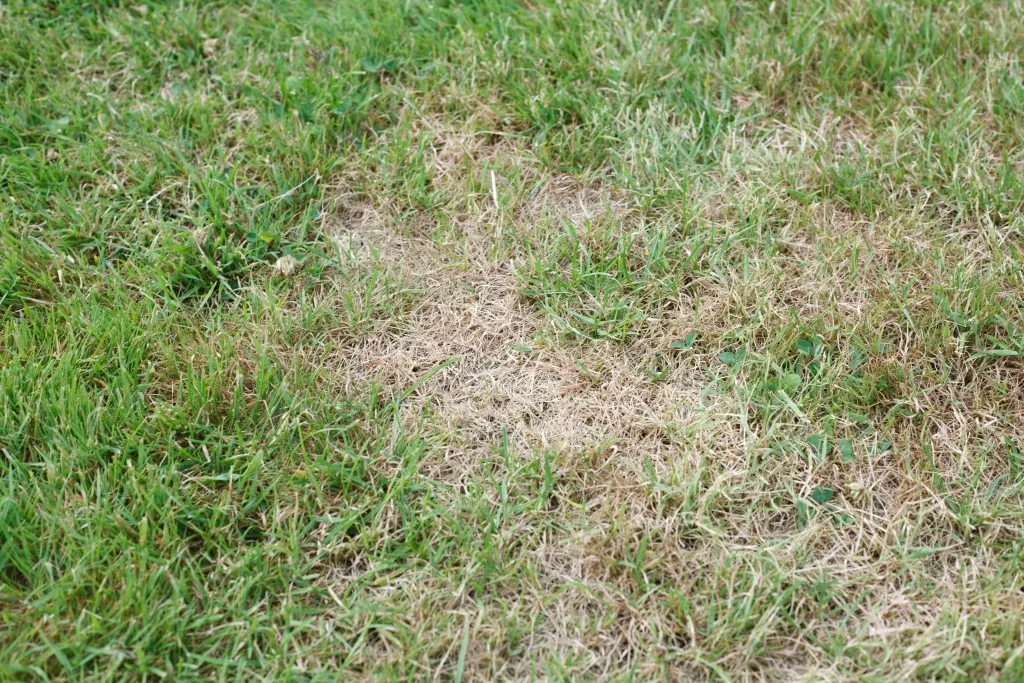
Techniques We Use
We rely on a few key techniques to bring thin or patchy lawns back:
- Core Aeration: We pull small soil plugs out of the lawn to relieve compaction, so air, water, and nutrients can actually reach the roots.
- Overseeding: We spread new grass seed over your existing lawn to fill in bare spots and boost overall density.
- Slice Seeding: For tougher jobs, we use a machine that cuts small grooves into the soil and drops seed right into them, giving it much better contact with the soil and a better shot at germinating.
Used together, these methods do a great job of restoring a lawn that’s thinning out or looking patchy.
The Benefits You Can Expect
Aeration and overseeding pay off in a number of ways:
These benefits are exactly why so many homeowners turn to us for professional lawn renovation. At Groundhog Turf Care, we focus on aeration and overseeding to tackle these common lawn problems for homeowners across New Hampshire.
What It Takes to Get This Right
For aeration and overseeding to actually work, a few things need to line up:
- Good Timing: We generally recommend early fall, since it gives grass the best growing conditions before winter sets in.
- Soil Prep: We mow the lawn short before aerating so the seed has plenty of soil to reach.
- Enough Moisture: After we’re done, regular watering is key to helping seeds germinate and roots take hold.
Get these conditions right, and you’ll see a real difference in how well your lawn bounces back.
What Are the Core Benefits of Lawn Aeration?
Aeration does a lot of heavy lifting for lawn health — it tackles soil compaction and gets roots growing again.
We use aeration to help soil absorb water and let nutrients reach the roots more easily. It also breaks up the thatch layer that can choke out healthy growth. On top of that, aeration encourages deeper roots, which means a stronger lawn that can handle heat, drought, and everyday wear and tear.
In What Ways Does Aeration Enhance Lawn Thickness and Resilience?
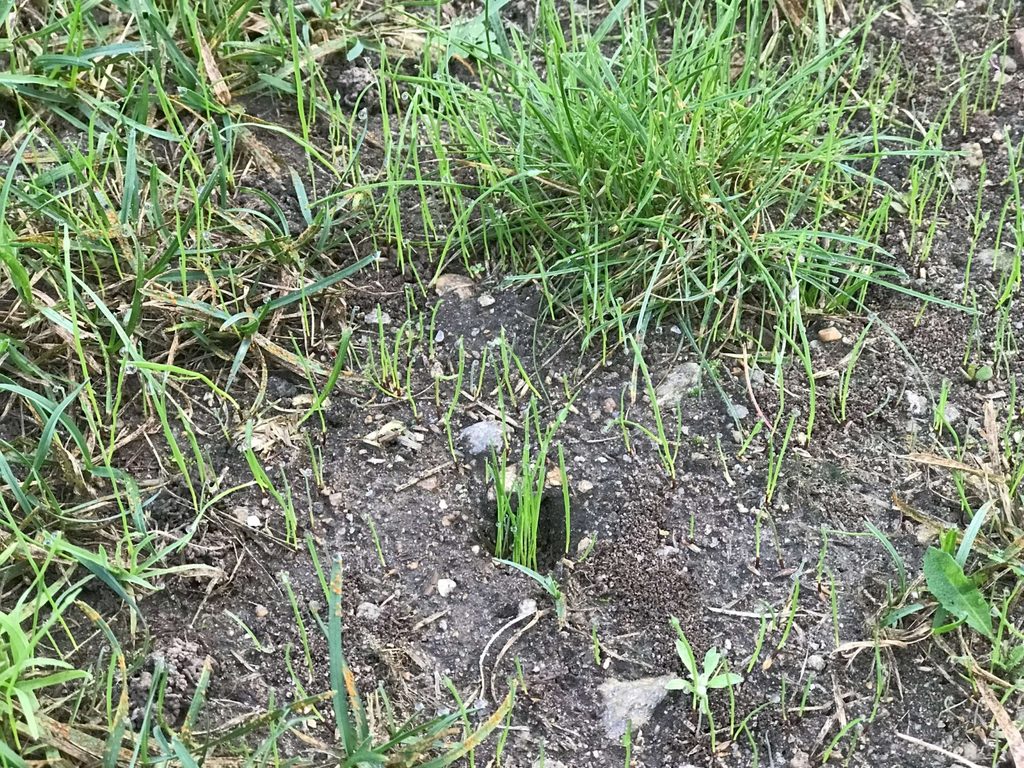
Aeration opens up the soil so air and nutrients can get where they need to go, which helps roots grow deeper.
That deeper root growth means better germination when we overseed, which adds up to a thicker lawn that holds up better against drought, disease, and foot traffic. The result is a lawn you can count on for years to come.
How Does Overseeding Complement Aeration to Repair Patchy Lawns?
We always pair overseeding with aeration, because the fresh openings in the soil give new grass seed the nutrient-rich contact it needs to germinate.
When we pick grass varieties that work well with what’s already growing, the new seed takes hold quickly, giving you a fuller lawn that’s better suited to your yard’s conditions.
What Are the Step-by-Step Practices for Successful Overseeding?
Here’s how we approach overseeding, step by step:
- Prepare the Lawn: We mow the grass short and clear out built-up thatch.
- Aerate: We core aerate to open up the soil for the new seed.
- Apply Seed: We use a broadcast spreader to lay down seed evenly across the lawn.
- Water: We water lightly and consistently to keep the soil moist while the seed gets established.
Follow these steps, and you’ll see stronger, denser grass growth.
When Is the Optimal Timing for Aeration and Overseeding in New England?
Here in New England, early fall is really the sweet spot for aerating and overseeding.
As temperatures start to cool, the soil is still warm enough for grass to put down strong roots before winter arrives. That head start makes for a healthier, more resilient lawn once spring rolls around.
What Are Recommended Aeration and Overseeding Windows for New Hampshire Lawns?
For lawns here in New Hampshire, we typically recommend aerating and overseeding sometime between late August and mid-October.
During that window, soil temperatures are ideal for germination, and the extra rainfall we usually see helps young grass get established. We keep an eye on local weather and lawn conditions to fine-tune timing for each property.
How Can Integrated Pest Management Support Lawn Health After Renovation?
Integrated Pest Management, or IPM, plays a big part in keeping a lawn healthy once renovation work is done.
We focus on keeping harmful pests in check while supporting the beneficial organisms that help soil stay healthy. By combining cultural, physical, and biological controls, we help your lawn thrive and stay ahead of future pest problems.
What Are Effective Pest Control Strategies Complementing Aeration and Overseeding?
To protect your investment after aeration and overseeding, we recommend:
- Regular Monitoring: Frequent checks help us catch pest activity early.
- Biological Controls: We use beneficial insects to keep harmful pest populations down.
- Cultural Practices: Smart irrigation and proper mowing heights go a long way toward preventing pest issues in the first place.
These strategies work hand in hand with aeration and overseeding to support your lawn’s health for the long haul.
What Are the Scientific Lawn Renovation Steps to Fix Thin and Patchy Lawns?
We take a methodical approach to lawn renovation:
- Assessing Lawn Condition: We evaluate soil health, grass composition, and any pest activity.
- Developing Customized Treatment Plans: We tailor our aeration and overseeding approach to your lawn’s specific issues.
- Evaluating Results: We monitor the lawn after renovation to see how well it’s responding and adjust our approach as needed.
This kind of careful, science-based process is how we help homeowners get real, lasting results.
How To Maintain the Lawn Post-Renovation for Long-Term Turf Density?
Keeping a renovated lawn healthy long-term comes down to a few key habits:
- Proper Watering: A consistent watering schedule that encourages deep root growth.
- Regular Fertilization: Timing fertilizer applications around peak growing seasons.
- Pest Monitoring: Keeping an eye on pest levels so we can step in early if needed.
Stay on top of these practices, and you’ll keep seeing the benefits of your aeration and overseeding investment for years to come.
How Have Regional Homeowners Benefited from Professional Lawn Renovation Services?
Homeowners across New Hampshire who’ve worked with us have seen real improvements in how their lawns look and perform.
Time and again, we’ve found that aeration and overseeding don’t just improve curb appeal — they also support healthier local ecosystems. We’re proud to guide homeowners through this process and help them get lasting results from their lawns.
What Our Customers Say
“Absolutely the best turf care company ever! I will never ever go anywhere else! Best technicians that are so knowledgeable, and really take pride in the work that they do, such a kind and friendly staff, amazing service manager, great customer service! Just all around the best company I have ever had!” — Til V. (Salem, NH)
FAQ
When does a lawn need aeration and overseeding instead of routine care?
Renovation makes sense when less than 50 percent of the lawn is the desired grass, soil is badly compacted, weeds like bermudagrass take over, or foot traffic, grubs, disease, or drought has damaged the turf.
What techniques does Groundhog Turf Care use to fix patchy lawns?
Groundhog Turf Care combines core aeration, overseeding, and slice seeding for tougher jobs, relieving compaction while giving new seed strong soil contact for better germination and thicker growth.
What conditions help aeration and overseeding actually work?
Success depends on good timing, ideally early fall, mowing the lawn short before aerating, and watering regularly afterward so seeds germinate and roots establish properly.
Conclusion
In closing, aeration and overseeding address the root causes of thin, patchy turf by relieving soil compaction and introducing fresh, resilient grass varieties into the existing stand. When paired with our nutrition-based lawn program, this renovation approach rebuilds density, strengthens disease resistance, and restores a uniform, healthy appearance season after season. Property owners seeking lasting results benefit from trusting this process to our licensed specialists, whose expertise ensures each step is executed correctly for a thicker, more vigorous lawn.
