
As certified arborists, we at Groundhog Turf Care study how shade trees respond to seasonal pruning across New Hampshire’s variable climate, and we share that expertise to help property owners make informed decisions. Correct timing and technique are essential variables in determining whether a pruning intervention benefits or compromises a tree’s long-term health. This guide examines the optimal periods for pruning shade trees, the techniques that minimize stress and risk, and the relationship between pruning practices, tree vigor, and pest resistance. We also outline the circumstances under which consultation with a professional arborist is advisable.
The recommendations below reflect established arboricultural principles applied to the specific conditions New Hampshire’s summers present.
Key Takeaways
Minimal summer pruning—limited to dead or damaged branches—is the approach our arborists generally recommend for shade trees during hot, humid months.
Heavy summer pruning is best avoided, as it can place additional physiological stress on trees already contending with seasonal heat.
Major structural pruning is most appropriately scheduled for late winter, when trees are dormant and less vulnerable to stress or injury.
Ongoing monitoring of tree health throughout the year, informed by Plant Health Care principles, supports better outcomes than pruning decisions made in isolation.
When Is the Best Time to Prune Shade Trees During New Hampshire Summers?
Timing is a critical factor in pruning shade trees in New Hampshire. June and July are generally regarded as favorable months, as most species are in an active growth phase during this window. Trees tend to recover from pruning cuts more efficiently during active growth, which supports overall health and structural development over time.
Which Summer Months Optimize Shade Tree Health and Growth?
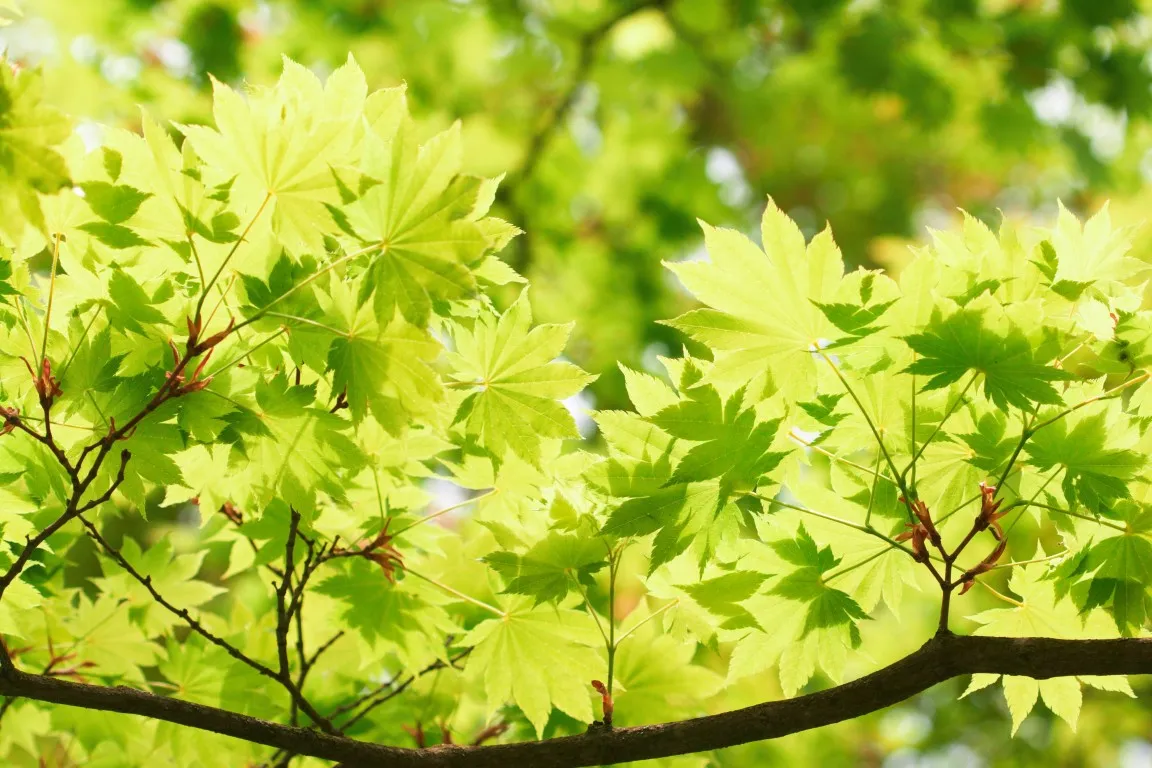
June and July are typically the most favorable months for pruning shade trees. Active growth during this period allows trees to tolerate pruning with greater resilience and to recover more quickly. Pruning at this stage can also encourage stronger structural development and improve light and air circulation through the canopy. It should be noted, however, that species vary considerably in their growth patterns, and each tree’s individual characteristics warrant consideration before any cut is made.
How Does New Hampshire’s Climate Influence Summer Pruning Schedules?
New Hampshire’s pronounced seasonal variability has a direct bearing on pruning schedules. A late frost, for example, can damage a recent cut, making close attention to forecasted conditions advisable. Periods of intense heat and drought, common during New Hampshire summers, further influence the appropriate timing and approach to pruning. Flexibility, informed by regional conditions and the specific tree in question, is therefore an important part of sound pruning practice.
What Are the Recommended Techniques for Safe and Effective Summer Tree Pruning in NH?
Safe and effective pruning technique is central to preserving shade tree health. During summer months, the objective is generally to reinforce structural integrity while limiting stress on the tree. Proper tool selection plays a significant role in achieving this outcome.
How to Use Proper Pruning Tools and Cuts for Shade Trees in Summer
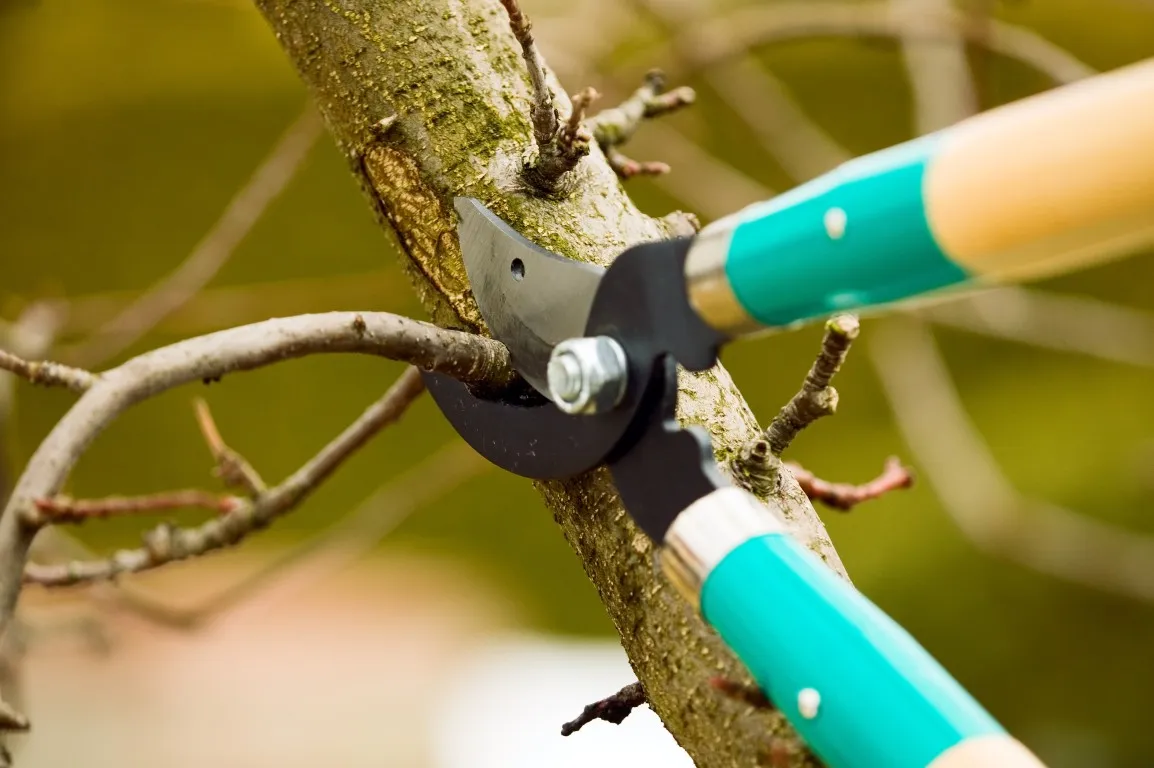
The tools selected for pruning have a measurable effect on how a tree responds to the intervention. Sharp bypass pruners are generally suited to smaller branches, while loppers are appropriate for larger cuts. The angle of the cut also matters, as it influences wound healing and reduces the likelihood of disease entry. In summer, clean cuts that avoid tearing are particularly important, since torn bark can create an entry point for pathogens.
What Pruning Practices Protect Tree Health During Summer Months?
Protecting tree health during summer pruning depends on techniques that limit stress. This generally means removing only dead or diseased branches and avoiding the removal of excessive foliage in a single session. Adequate aftercare, including sufficient watering during periods of heat, supports recovery and contributes to stronger long-term health.
How Does Summer Pruning Affect Shade Tree Health and Pest Resistance in New Hampshire?
Summer pruning can meaningfully improve both a tree’s overall health and its capacity to resist pests. Selective removal of branches improves airflow and light exposure within the canopy, conditions that are generally less favorable to pest establishment.
In What Ways Does Pruning Improve Shade Tree Pest Resistance?
Pruning improves pest resistance primarily by increasing airflow and light penetration, which reduces the moisture and shade that many pests rely on. Trees maintained through appropriate pruning also tend to exhibit greater overall vigor, making them less susceptible to pest pressure and improving the effectiveness of any associated pest management measures.
Which Common Pests Threaten NH Shade Trees Post-Pruning?
In New Hampshire, pests such as the eastern tent caterpillar and various boring insects warrant particular attention following pruning, as recently cut trees can present increased exposure. Regular inspection, combined with appropriate pest management practices, is recommended to identify and address issues at an early stage.
When Should Homeowners Consider Professional Shade Tree Pruning Services in New Hampshire?
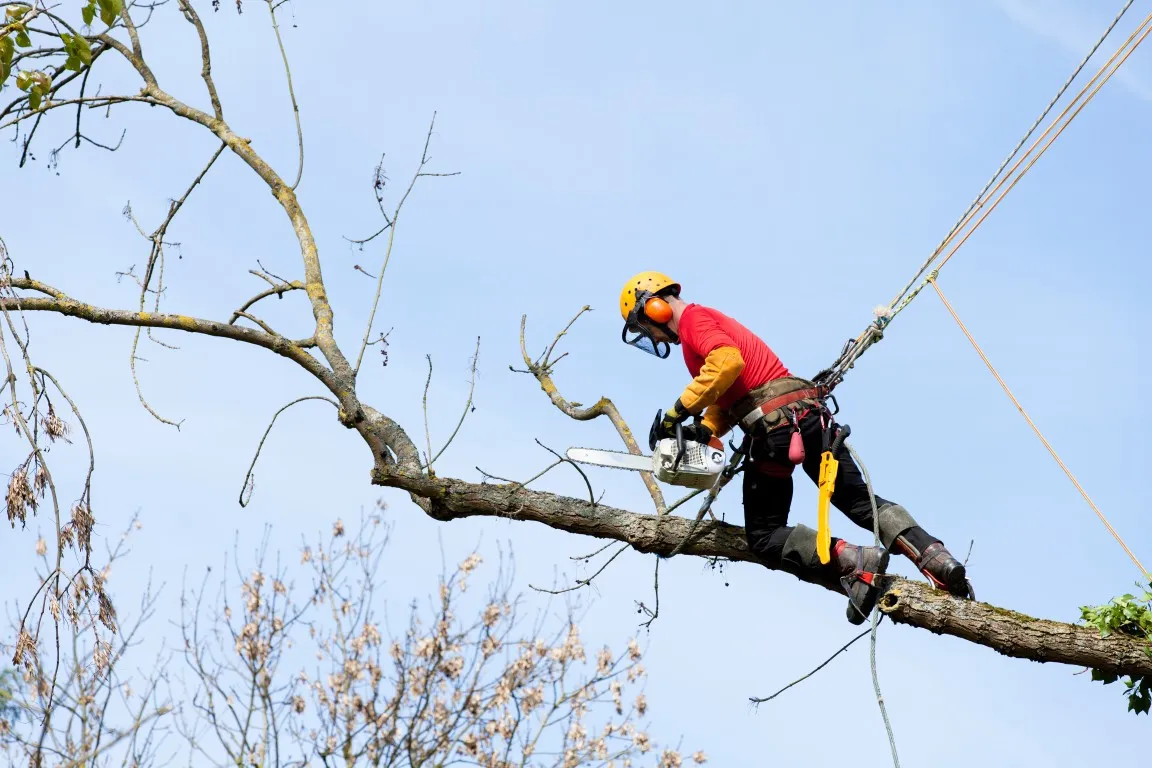
Homeowners often weigh the decision to engage a professional against factors such as tree size, the complexity of the pruning required, and their own level of experience. Professional arborists bring both safety practices and technical knowledge that support long-term tree health, particularly for larger or more complex pruning work.
What Qualifications Should NH Tree Pruning Experts Have?
When evaluating professional pruning services, credentials matter. Certification from recognized arboricultural organizations reflects a verified standard of expertise and adherence to established practices. Familiarity with local tree species and their specific requirements is an equally important consideration in assessing the quality of a given service.
How to Assess Costs and Scheduling Options for Professional Pruning in NH
Assessing the cost of professional pruning generally involves considering tree size, the scope of work required, and typical regional pricing. Scheduling is also a relevant factor, and aligning service timing with optimal pruning windows tends to produce better outcomes.
How Can Lawn and Pest Control Be Coordinated With Summer Shade Tree Pruning in New Hampshire?
Coordinating lawn and pest control efforts with tree pruning tends to produce more favorable outcomes across a property overall. Aligning timing and methodology between these practices supports the health of both trees and turf through the growing season.
What Lawn Pest Control Measures Complement Tree Pruning Activities?
Pairing lawn pest control with tree pruning allows for more effective outcomes from both practices. Pest control treatments applied shortly after pruning can specifically target pests drawn to newly exposed sections of the tree.
How to Schedule Pruning and Pest Management for Optimal Seasonal Results in NH
A coordinated schedule for pruning and pest management supports more consistent landscape outcomes. Ongoing monitoring of tree health throughout the season, with pest control applications adjusted accordingly, helps keep both tree and lawn care aligned toward the same seasonal goals.
What Common Questions Do New Hampshire Residents Have About Summer Shade Tree Pruning?
New Hampshire property owners frequently raise questions about summer shade tree pruning, ranging from concerns about potential damage to which species require particular attention during the warmer months.
Can Pruning Shade Trees in Summer Cause Long-Term Damage?
This concern is common but largely unfounded. Summer pruning, when performed at the appropriate time and with sound technique, does not inherently harm trees and can in fact support their health and vigor. The distinguishing factor is proper knowledge of when and how to prune.
What Tree Species in NH Require Special Pruning Considerations During Summer?
Certain species native to New Hampshire warrant additional care during summer pruning. Maples, for instance, should be pruned with attention to avoiding excessive sap loss, whereas oaks generally tolerate summer cuts with fewer complications. Understanding these species-specific requirements is essential to achieving favorable outcomes.
FAQ
Should shade trees be pruned heavily in summer in New Hampshire?
No. Our arborists generally recommend minimal summer pruning, limited to removing dead or damaged branches, to avoid placing unnecessary stress on trees during hot, humid months.
When should major structural pruning be scheduled instead of summer pruning?
Major structural pruning is best scheduled for late winter, when trees remain dormant and less vulnerable, rather than during the summer growing season.
What tools and cuts are recommended for summer pruning?
Sharp bypass pruners are suited to smaller branches, and loppers to larger cuts. Clean, angled cuts that avoid tearing the bark are recommended to reduce the risk of disease.
Conclusion
Summer pruning of shade trees serves a legitimate function in New Hampshire landscapes when performed with proper timing and technique. Removing deadwood, correcting structural issues, and improving airflow during the growing season support long-term tree health without the risks associated with relying solely on dormant-season cuts. As certified arborists, we evaluate each tree’s species, condition, and site factors before recommending a pruning approach, ensuring that any intervention contributes to vigor, structure, and resilience. Sound pruning practices, applied at the right time, help preserve the value of the landscape investment property owners have built over the years.
