
If mosquitoes and ticks are still showing up in your yard after treatment, we understand how frustrating that can be. At Groundhog Turf Care, we know that getting rid of these pests takes more than a single spray — it means understanding the biological and environmental factors that let them stick around. In this article, we’ll walk you through why mosquitoes and ticks persist, covering their life cycles, survival tactics, and the outdoor conditions that keep them active. We’ll also share practical strategies we use to get better results and bring pest populations down for good.
We’ll cover the biological traits that help these pests survive treatment, how moisture and temperature affect their activity, where common treatments fall short, and the best practices we recommend for keeping your yard pest-free.
Biological Factors
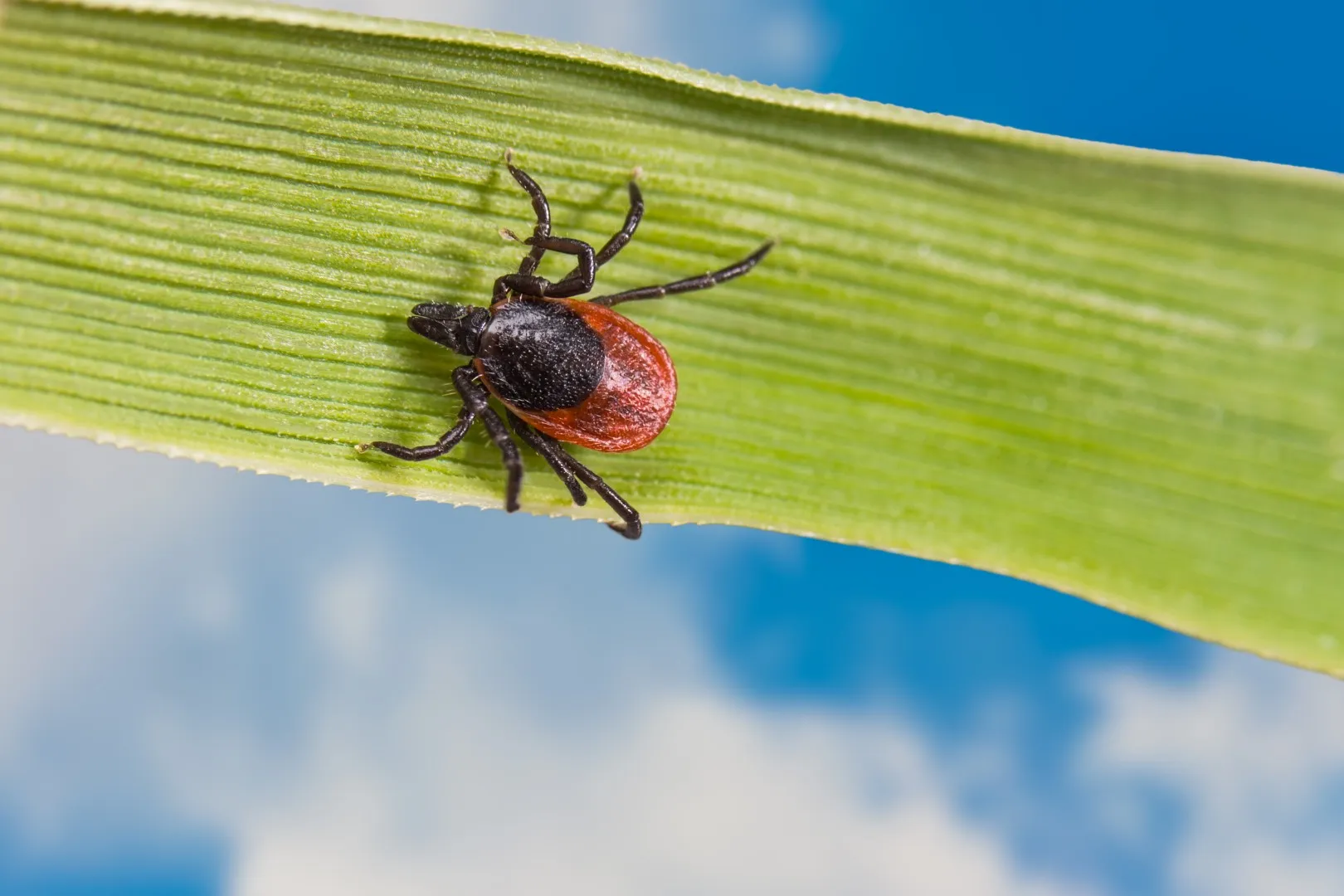
Mosquitoes and ticks often survive treatment because of how they’re built and how they live. Both pests have developed smart survival tactics that let them keep going even in a treated yard.
One reason comes down to their life cycles, which move through several stages — eggs, larvae, and adults. Each stage reacts differently to treatment, so some pests can make it through even after we’ve applied a pesticide. Mosquito eggs, for instance, can survive tough conditions and hatch as soon as things turn favorable again. That’s why we build our pest management around these life stages rather than treating just once and moving on.
What Biological Factors Cause Mosquitoes and Ticks to Persist After Yard Treatment?
Mosquitoes and ticks are resilient because of how they behave, not just how they’re built. Female mosquitoes tend to look for sheltered spots to lay their eggs, places where they’re less likely to run into pesticide. And if pests are still thriving in a neighbor’s untreated yard, they can easily move back into a treated space, undoing some of the progress we’ve made.
How Do Mosquito and Tick Lifecycles Influence Treatment Outcomes?
Their life cycle has a big impact on how well treatment works. A treatment aimed at adult mosquitoes, for example, won’t touch larvae sitting in standing water. That’s why we rely on ongoing monitoring and an integrated approach rather than a single treatment, so we can break the cycle at every stage.
What Survival Tactics Do Mosquitoes and Ticks Employ Against Pesticides?
Mosquitoes and ticks are tougher than most people realize. Many species have built up resistance to certain insecticides, which can make standard treatments less effective over time. They’re also good at finding tiny pockets of habitat that treatments miss, letting them survive and keep reproducing in a yard that otherwise looks under control.
Environmental Conditions
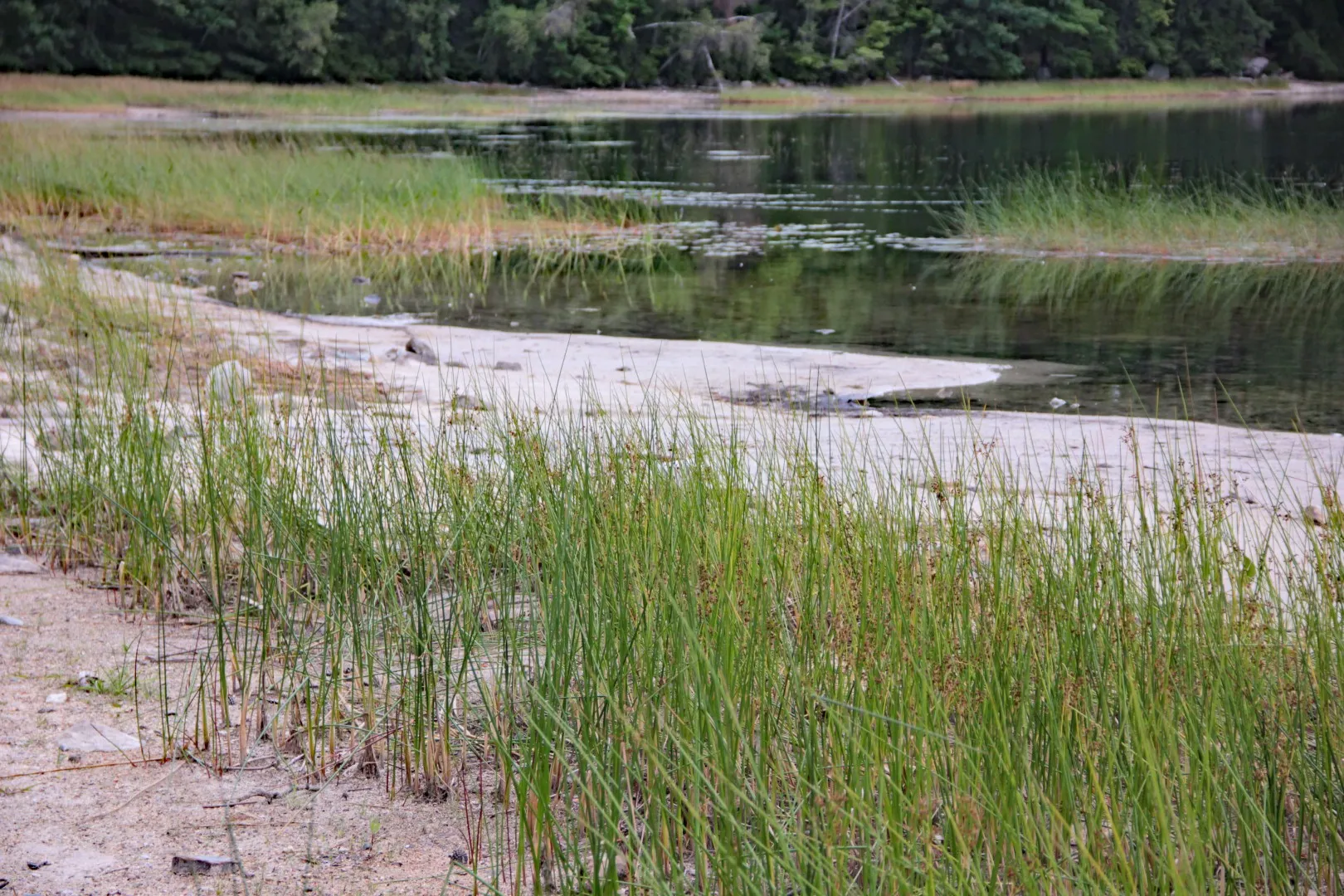
The conditions in your yard play a big part in whether mosquitoes and ticks stick around. Temperature, moisture, and how your landscape is laid out all affect how active — and how hard to control — these pests are.
Warm temperatures tend to fuel mosquito breeding, while damp conditions create an ideal environment for ticks. That’s why we pay close attention to these factors when we put together a pest control plan for your yard.
Which Environmental Conditions Affect Mosquito and Tick Presence After Treatment?
Moisture and temperature have a direct effect on mosquito and tick numbers. Many species do well in humid areas with the right kind of vegetation for shelter and breeding. We recommend regular assessments of these conditions so we can address them before pest populations get out of hand.
How Do Moisture and Temperature Impact Mosquito and Tick Activity Post-Treatment?
When a landscape holds onto moisture, it gives mosquitoes what they need to complete their life cycle and keeps ticks active longer. That’s part of why pest pressure can continue even after we’ve treated a yard. Adjusting the landscaping — clearing resting spots and eliminating standing water — goes a long way toward solving this.
What Yard Vegetation or Habitat Features Support Residual Pest Populations?
Some types of vegetation end up giving mosquitoes and ticks exactly what they need to thrive. Dense foliage, tall grass, and standing water are especially attractive to these pests. We often recommend opening up parts of the landscape, which helps deter them and cuts down on breeding opportunities.
Treatment Limitations
Even the best treatments have limits, and it helps to understand them upfront. Knowing where standard treatments fall short is part of why we build comprehensive pest management plans instead of relying on a single application.
Pesticide coverage isn’t always even, which can leave untreated pockets where pests find refuge. On top of that, growing chemical resistance can chip away at how well a treatment works.
What Are the Best Mosquito Spraying and Tick Control Practices to Improve Treatment Results?
To get the most out of treatment, we recommend a few key practices:
- Regular Inspections: Keep an eye on your yard for early signs of mosquito and tick activity.
- Comprehensive Coverage: Make sure every area, especially sheltered spots, gets treated thoroughly.
- Ongoing Treatment: Stick to a regular treatment schedule throughout peak season to stay ahead of them.
Following these practices makes a real difference in how well your pest management holds up.
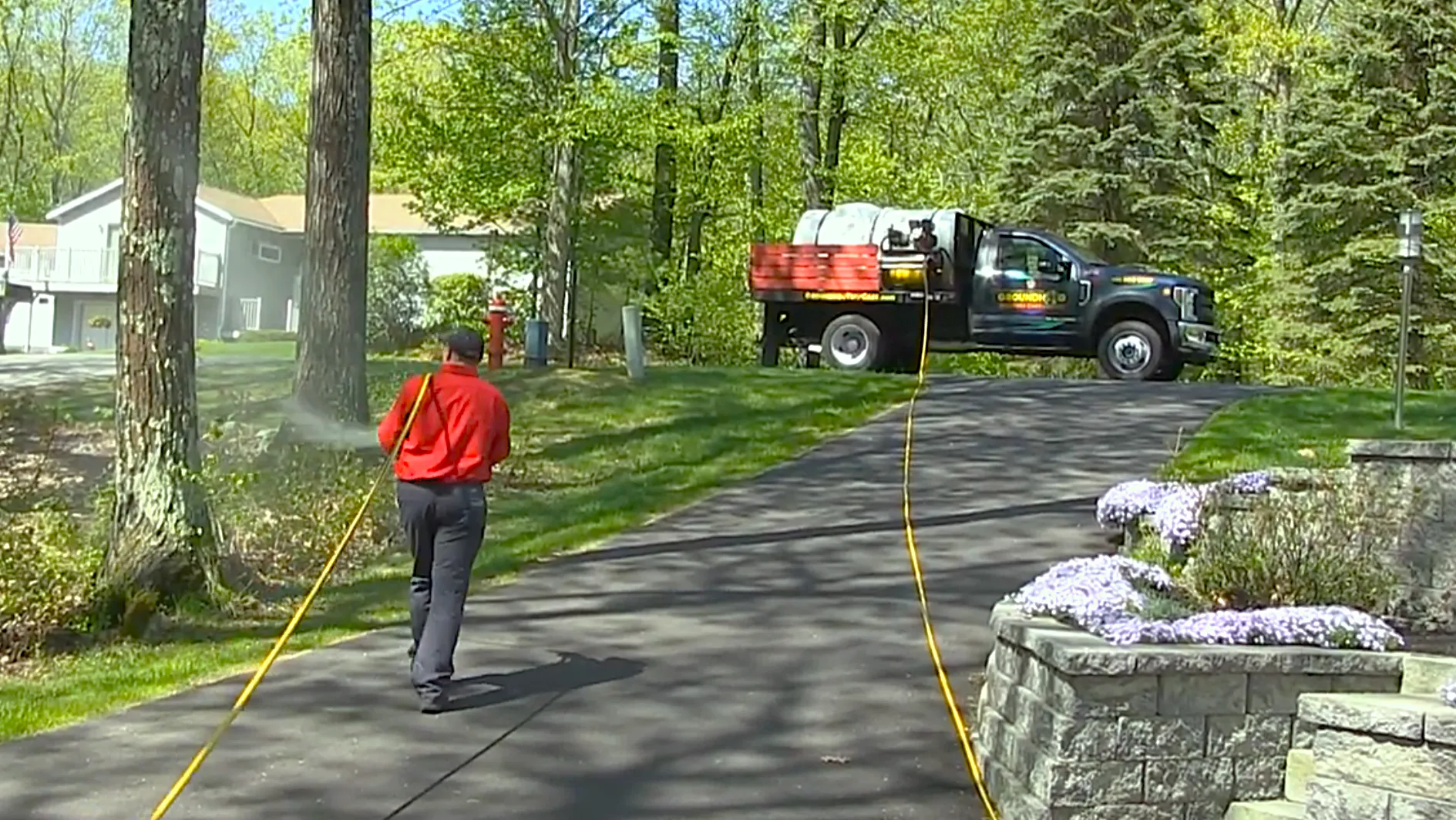
If you’d rather leave it to the professionals, that’s exactly what we do at Groundhog Turf Care. We specialize in comprehensive lawn and pest control solutions, and we tailor every treatment plan to address the specific pest issues in your yard.
Why Might Mosquitoes and Ticks Reappear Despite Professional Pest Treatments?
Even after we’ve treated your yard, mosquitoes and ticks can sometimes show back up, and there are a few reasons why. New pests can move in from untreated areas nearby, or a few individuals may have simply slipped through the treatment unnoticed.
Seasonal changes can also bring back the exact conditions these pests need to breed. That’s why we keep a close eye on local pest trends and build ongoing management into our approach — it’s what keeps your yard pest-free for the long haul.
What Our Customers Are Saying
“I switched over to Groundhog Turf Care in 2021 for fertilizing, tick and mosquito, and tree and shrub and the service was fantastic. The workers were very thorough and prepared, the grass and shrubs looked great compared with 2020, and most importantly they did everything they said they were going to do. Great Job!!” — Kim B., Derry, NH
FAQ
Why do mosquitoes and ticks survive after a single treatment?
Their life cycles move through eggs, larvae, and adults, and each stage reacts differently to pesticide. Treating only adults leaves eggs and larvae untouched, allowing populations to rebound.
Why does moisture in my yard keep pests active?
Moisture-holding landscapes give mosquitoes what they need to complete their life cycle and keep ticks active longer, sustaining pest pressure even after treatment. Groundhog Turf Care recommends clearing resting spots and eliminating standing water.
Why do pests return even after treating my whole yard?
Mosquitoes and ticks find sheltered pockets pesticide misses, and some species build resistance to certain insecticides over time. Pests from an untreated neighboring yard also move back in, undoing treatment progress.
Conclusion
In closing, persistent mosquito and tick activity after treatment reflects the biological realities of pest pressure, not a failure of the application itself. Environmental factors, nesting habitats, and reinfestation from neighboring properties all influence results between visits. Our licensed specialists rely on professional-grade equipment and targeted techniques to reach nesting zones effectively while minimizing overspray, ensuring each treatment performs as designed. Consistent, professionally managed programs remain the most reliable path toward a more comfortable, enjoyable outdoor space throughout the season.
