
If you’ve noticed your trees and shrubs turning brown this summer, we know it’s unsettling — and it usually means something’s going on beneath the surface. In this article, we’ll walk you through the most common reasons foliage loses its color this time of year, from environmental stress to pests and disease, and share how we approach diagnosing and reversing the damage. Getting a handle on these causes matters for maintaining the health of your landscape and stopping small problems before they become big ones.
More often than not, browning comes down to a mix of factors, with drought stress usually leading the list. Once we pin down what’s actually causing the problem, we can help you figure out the right next step. Below, we’ll cover the main causes of brown leaves, how drought hits plants especially hard here in New Hampshire, and when it’s time to bring in a professional. We’ll also talk about how Groundhog Turf Care can help diagnose what’s happening in your yard and get your plants back on track.
Key Takeaways
Summer heat and humidity stress trees and shrubs, causing browning from drought and disease like red thread and brown patch.
Plant Health Care addresses root causes—soil, water, and environment—not just visible insect or disease symptoms on trees.
Groundhog Turf Care’s 12-person team monitors New Hampshire landscapes for early signs of environmental and pest-related stress.
Consistent watering and soil health management prevent browning caused by summer’s ideal conditions for fungal turf diseases.
Environmental Stressors
Environmental stress is one of the biggest culprits behind browning trees and shrubs, and drought tops the list. When plants don’t get enough water, you’ll see wilting and discoloration set in fast. Soil conditions play a role too — compacted or poorly drained soil chokes off root growth and makes it harder for plants to take up the nutrients they need.
Nutrient deficiencies can cause browning as well, especially when the soil is missing key elements. Understanding what’s stressing your plants is the first step toward fixing it, since the right intervention depends on the actual cause. Catching these issues early keeps small problems from turning into serious decline — and sets us up to talk about how to actually manage them.
Pest Infestations
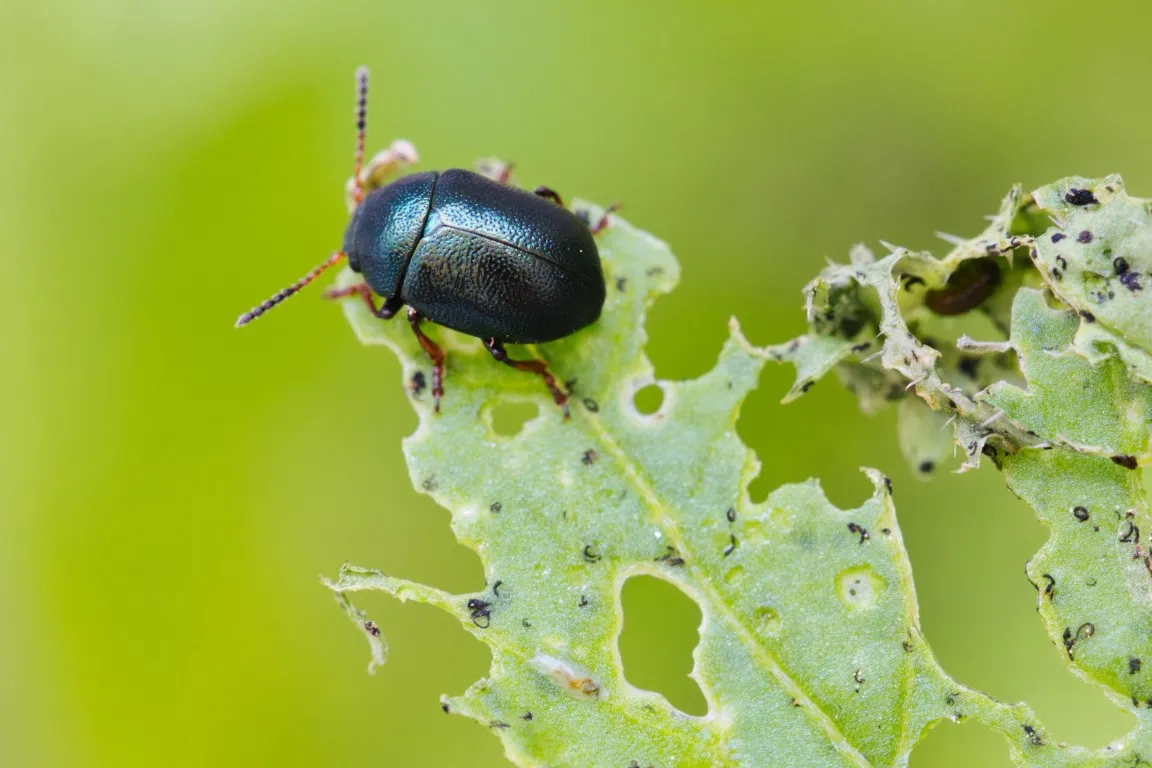
Pests are another common reason trees and shrubs start browning. Aphids, spider mites, and similar insects sap the life out of your plants, and the damage shows up as visible discoloration. The sooner you catch an infestation, the easier it is to turn things around.
Here’s what to watch for:
Discolored Leaves: Yellowing or browning is often the first red flag.
Sticky Residue: A sticky film on leaves usually points to sap-sucking insects.
Visible Pests: Check the undersides of leaves, where pests like to hide.
We rely on integrated pest management — combining chemical and natural controls — to knock back these pests effectively. Catching them early and treating them properly keeps your trees and shrubs healthy, and it also sets the stage for the next thing worth watching out for: disease.
Diseases
Disease is another major factor behind unhealthy, browning trees and shrubs. Fungal, bacterial, and viral infections can all cause browning and take a toll on your plants’ overall health. A few to keep an eye on are canker diseases, root rot, and anthracnose, each with its own telltale signs.
Canker Diseases: Usually shows up as localized browning or dieback on branches.
Root Rot: Typically caused by overwatering or soil that doesn’t drain well, leading to root damage.
Anthracnose: A fungal infection that leaves dark, sunken lesions on leaves.
Good watering habits and healthy soil go a long way toward preventing disease in the first place. Regular checkups and quick action when something looks off keep your plants thriving — and that’s where our professional diagnosis and restoration process comes in.
Professional Solutions for Diagnosis and Restoration
Diagnosis
When we diagnose a problem, we typically walk through a few key steps:
Document Symptoms: We take note of changes in leaf color and texture to help narrow down what’s going on.
Consult Resources: We draw on research and expert know-how to help identify the pest or pathogen behind the damage.
Conduct Soil Tests: Testing the soil tells us whether nutrient deficiencies or toxins are part of the problem.
This process gives us a clear picture of exactly what’s affecting your trees and shrubs so we can treat the real cause, not just the symptoms.
Restoration
Once we know what we’re dealing with, we can talk through the best path to recovery. Depending on the issue, that might mean bringing in our team or handling some of it yourself:
Pruning Diseased Branches: Cutting away affected areas stops disease from spreading further.
Fertilization Practices: The right fertilizer, applied correctly, restores nutrients your soil is missing.
Sanitation Measures: Clearing away infected plant material keeps disease from coming back.
While some of this you can manage on your own, our team brings the experience needed to handle the trickier cases and make sure treatment actually sticks.
Monitoring and Maintenance
Keeping your trees and shrubs healthy all year takes ongoing attention. Regular checkups help us catch problems early and keep your plants performing at their best.
A few habits worth building into your routine:
Early Detection Importance: The sooner you spot an issue, the better the outcome.
Seasonal Inspection Recommendations: Check your plants regularly as the seasons change.
Continual Maintenance Practices: Consistent watering, mulching, and pruning keep plants strong for the long haul.
At Groundhog Turf Care, we bring real expertise in plant health care here in New Hampshire, and we’re glad to help homeowners keep their landscapes looking their best. Stick with these practices and your trees and shrubs should come through summer just fine.
What Are the Primary Causes of Brown Leaves on Trees and Shrubs in Summer?
When we’re called out to look at brown leaves in summer, it usually comes down to one of three things:
Environmental Factors: Drought, nutrient deficiency, and poor soil health are common triggers for browning foliage.
Pests: Infestations drain a plant’s resources and leave visible signs of stress.
Diseases: Pathogens can cause real damage and leave leaves discolored.
Catching these signs early gives you a real shot at turning things around before the damage gets worse.
How Does Drought Stress Affect Tree and Shrub Health in New Hampshire?
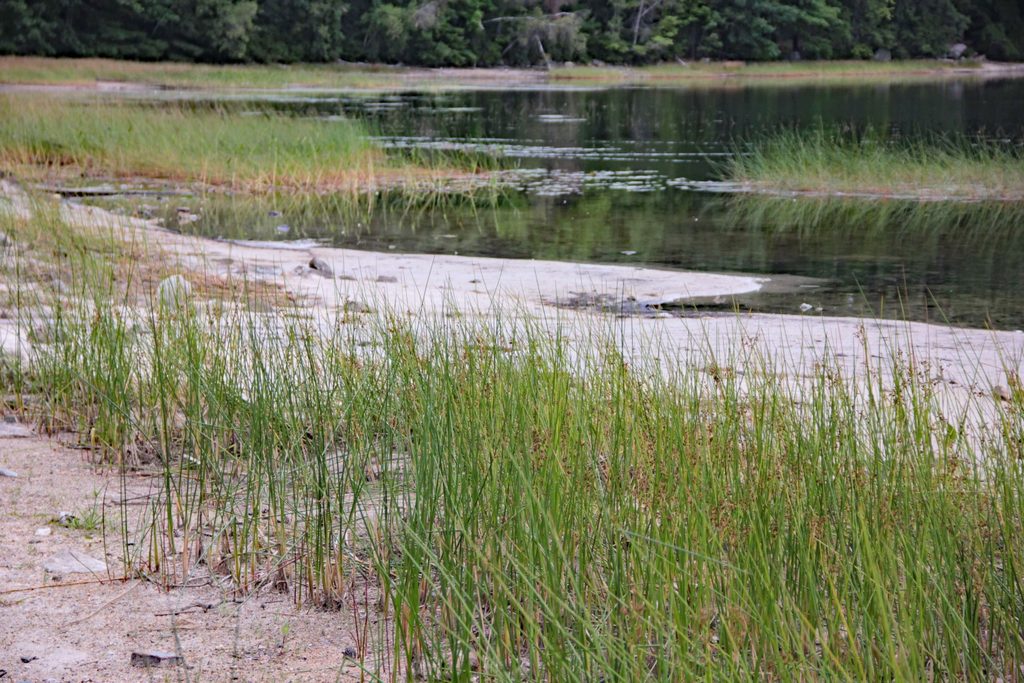
Here in New Hampshire, drought can really take a toll on trees and shrubs. You’ll typically see wilting leaves, slower growth, and plants becoming more vulnerable to pests and disease. Left unaddressed, it can lead to branch die-off and a lasting decline in plant health.
That’s why it’s so important to have a plan during dry spells. Mulching, adjusting how often you water, and choosing drought-tolerant plant varieties can all make a real difference.
Which Pest Species Commonly Cause Leaf Browning and Damage?
A handful of pests are repeat offenders for leaf browning:
Aphids: These small insects feed on sap, leaving leaves yellowed and browned.
Spider Mites: Usually found on the undersides of leaves, causing stippling and browning.
Scale Insects: Another sap-feeding pest that can cause serious browning if it goes untreated.
We tailor our pest management approach to whatever’s actually showing up in your yard, which makes treatment more effective and helps your plants bounce back faster.
How Can I Identify and Manage Common Summer Diseases Affecting Tree and Shrub Foliage?
Catching and managing summer diseases comes down to recognizing the signs early and acting fast. Watch for:
Yellowing Leaves: Often points to a nutrient deficiency or disease.
Leaf Spots: Dark spots can signal fungal infections like anthracnose.
Branch Dieback: Often tied to canker diseases and needs prompt attention.
Improving soil drainage and applying fungicide treatments when needed can help manage these issues. Regular inspections and catching problems early make all the difference.
What Are the Signs of Anthracnose and Other Fungal Infections?
Anthracnose and similar fungal infections tend to show up in a few recognizable ways:
Darkened Leaf Spots: A sign that pathogens are affecting the foliage.
Curling Leaves: Leaves may curl or twist as the plant struggles.
Dieback: Branches or sections of the plant may start dying back as the disease progresses.
The earlier you catch these signs, the better your chances of a full recovery.
When Should Professional Lawn and Plant Care Services Be Engaged for Brown Leaf Issues?
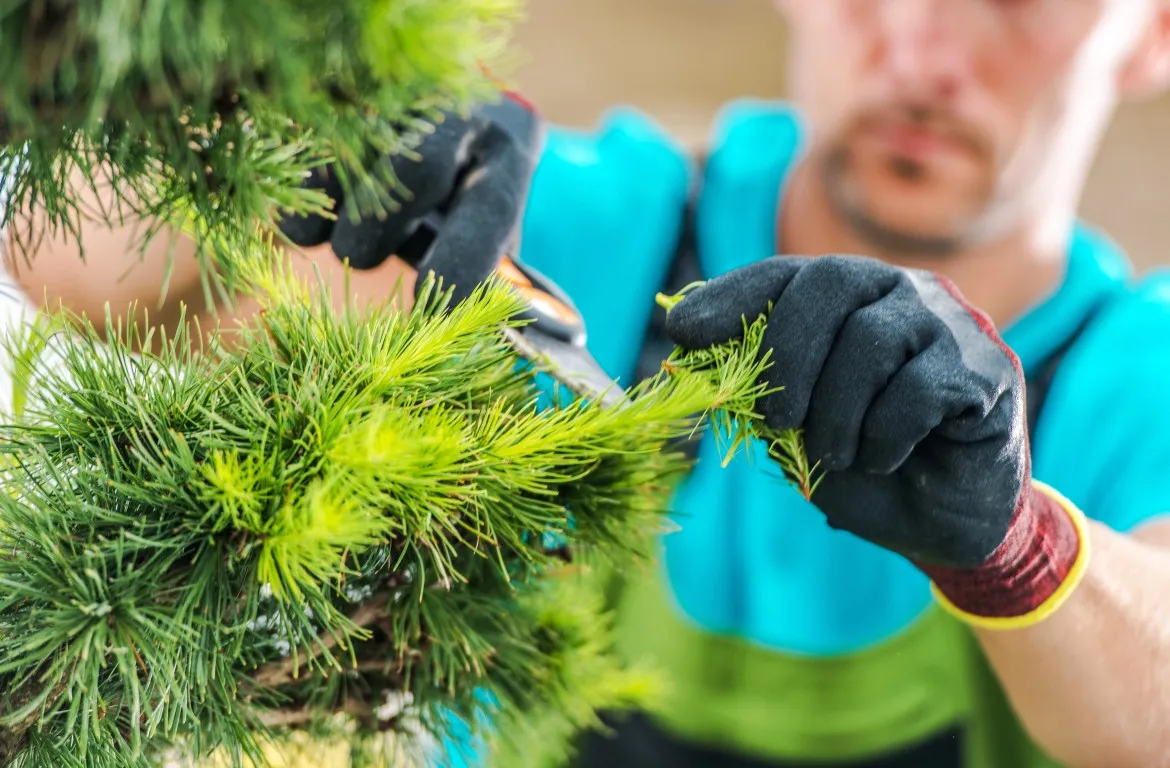
Knowing when to call in the pros can save your plants a lot of stress. It’s worth reaching out if:
Persistent Discoloration: Leaves stay brown despite your best efforts, which usually points to a deeper issue.
Widespread Impact: Multiple plants are affected, often a sign of an environmental issue that needs expert eyes on it.
Severe Pest or Disease Infestation: The damage looks extensive and needs a targeted response.
At Groundhog Turf Care, we’re ready to help diagnose what’s going on and get your plants back to full health.
FAQ
What is the main cause of trees and shrubs turning brown in summer?
Drought stress tops the list, often combined with compacted or poorly drained soil that chokes root growth and blocks nutrient uptake.
How do pests contribute to browning trees and shrubs?
Aphids, spider mites, and similar insects sap plant vitality, causing discolored leaves, sticky residue, and visible damage, especially on leaf undersides.
When should I bring in a professional for browning plants?
Groundhog Turf Care’s team diagnoses root causes like soil, water, and environmental stress, addressing issues before small problems turn into serious decline.
Conclusion
In closing, summer browning signals an underlying imbalance in soil health, moisture, or plant vigor rather than a condition to ignore. Our licensed specialists identify the precise cause through careful diagnosis, then apply science-driven Plant Health Care solutions, including deep-root fertilization and targeted treatments, to restore resilience from the roots outward. With consistent monitoring and proper seasonal care, trees and shrubs regain their strength and color, standing better prepared to withstand New Hampshire’s demanding growing conditions year after year.
