
Adding an irrigation system is a smart move for homeowners who want a healthier, more attractive lawn with less guesswork. These systems deliver water reliably and with precision so grass and plants get the moisture they need. Below, we cover the main advantages—better water efficiency, stronger turf, and possible long-term savings—plus a look at common system types and expected return on investment. Manual, inconsistent watering often creates dry patches and wastes water; automated irrigation fixes those problems by standardizing schedules and distribution.
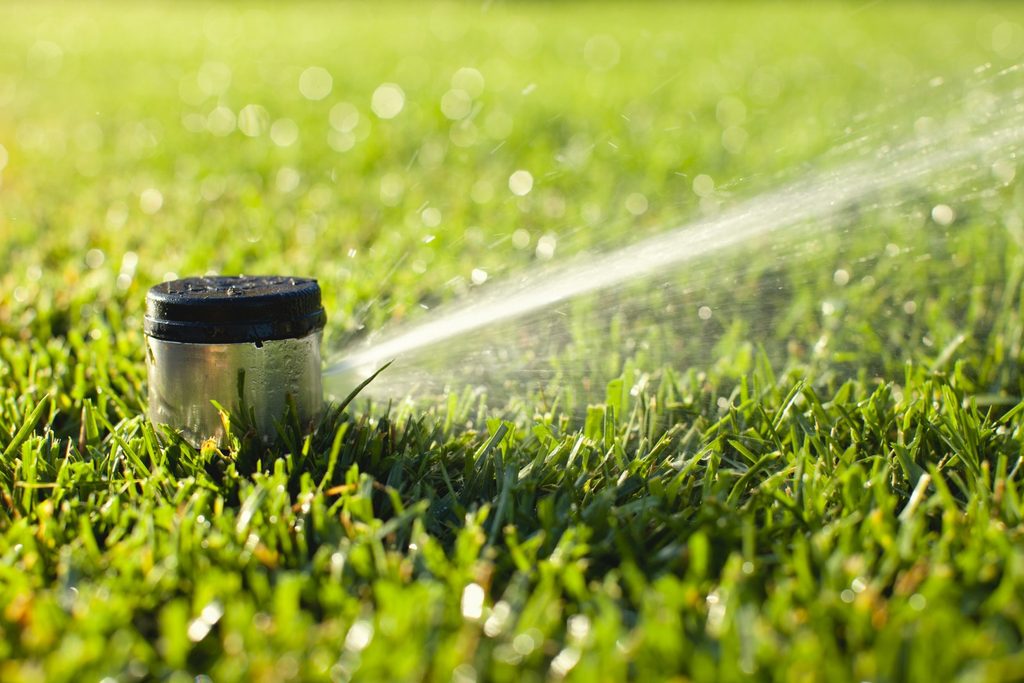
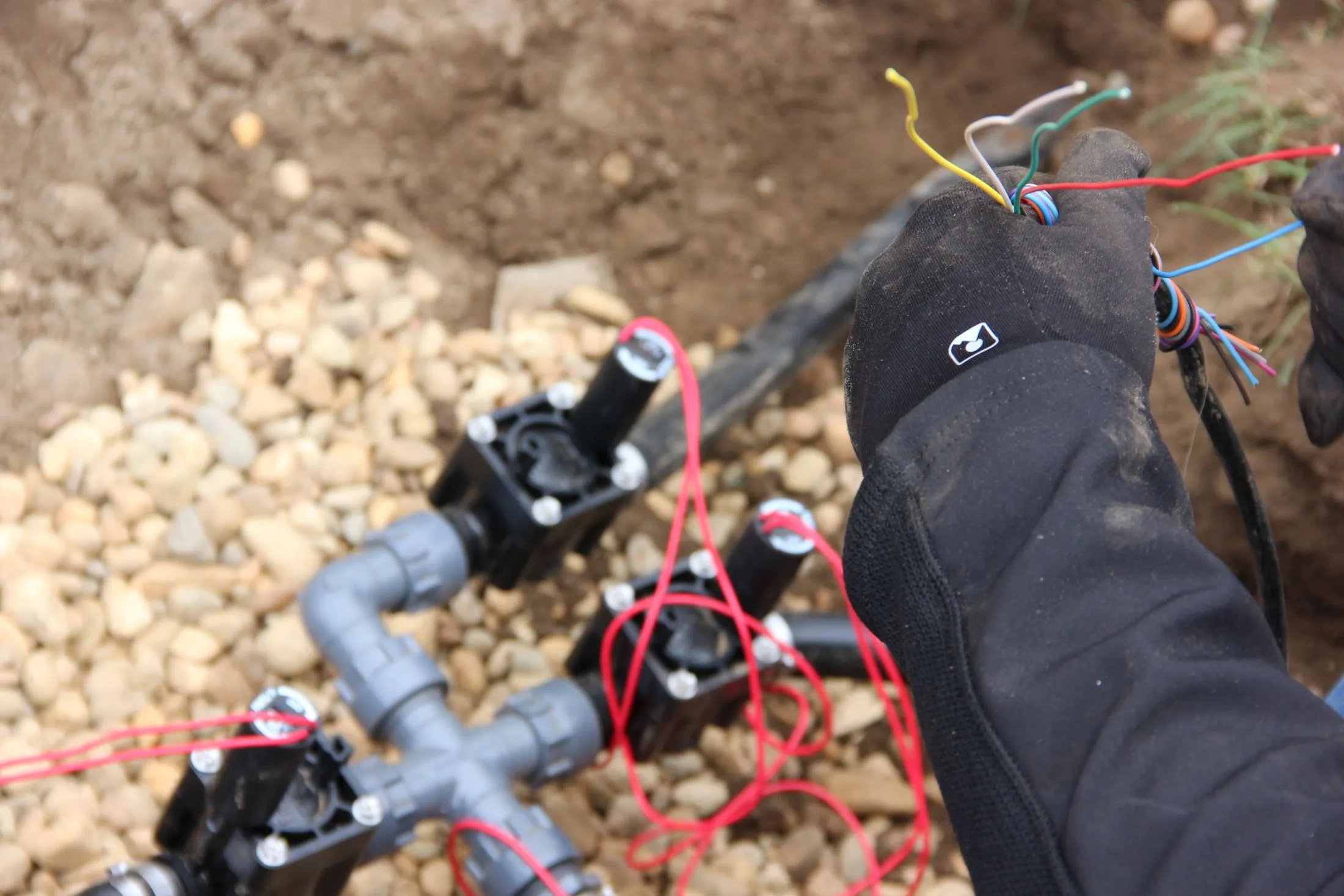
Beyond simply applying water, a professionally designed system accounts for soil type, slopes, plant choices, and existing drainage. Typical installations include a mainline, zone valves, control wiring, a controller (clock), backflow prevention, and emitters like spray heads, rotors, or drip tubing. Knowing these components helps homeowners compare quotes, evaluate designs, and budget for installation and routine care.
Key Takeaways
- An irrigation system gives consistent watering, encouraging even growth and cutting down on dry spots.
- Properly designed systems improve water efficiency, reduce waste, and help keep your landscape lush.
- Automated systems save time by removing the need for manual watering, freeing up your weekends.
- Smart controllers use weather data to fine-tune schedules for efficient water use.
- Efficient systems can cut outdoor water use by up to 30%, lowering utility bills.
- Regular maintenance—inspections and seasonal adjustments—keeps systems running longer and better.
- The right system type (drip vs. sprinkler, for example) affects performance and cost.
- Professional installers like Groundhog Landscaping and Property Maintenance design systems tailored to your site for optimal results.
- Technicians at Groundhog Turf Care can spot signs of overwatering or underwatering and will advise contacting Groundhog Landscaping when adjustments are needed.
- Investing in irrigation can boost curb appeal and increase property value.
These points show how irrigation supports healthy turf and responsible water use, and why professional design and ongoing care matter for getting the full benefit over time.
What Are the Key Benefits of Lawn Irrigation Systems?
Irrigation systems offer practical advantages that help turf thrive and make landscape care easier.
- Consistent Watering : Systems deliver uniform water so lawns grow evenly and dry patches are minimized.
- Water Efficiency : Modern systems cut waste by delivering water where and when plants need it most.
- Time Savings : Automation removes repetitive watering tasks and gives homeowners more free time.
Other perks include better establishment after seeding or sodding, reduced manual labor on large properties, and the ability to create separate irrigation zones for turf, shrubs, and flower beds. Zoning helps avoid overwatering ornaments while keeping grass healthy.
Groundhog Turf Care specializes in designing and installing irrigation systems to maximise turf health and water efficiency. Our certified technicians customise system layouts and component choices to match site conditions, delivering dependable solutions for reliable landscape care. To learn more about Groundhog Turf Care , visit their website.
How Does an Irrigation System Improve Lawn Health and Growth?
An irrigation system improves lawn health by delivering water to the root zone where plants absorb it most efficiently. Targeted watering encourages deeper roots, which raises drought tolerance and overall resilience. Maintaining consistent soil moisture also lowers disease risks tied to prolonged dry or saturated conditions.
Even water distribution prevents localized stress from fluctuating moisture. The result is a greener, hardier lawn that handles heat and other stresses better.
Practically speaking, a well-set system encourages roots to grow deeper instead of staying near the surface. Deeper roots access moisture and nutrients during dry spells, so turf browns less quickly. When paired with good cultural practices—proper mowing height, aeration, and the right fertiliser—irrigation helps create a maintenance routine that supports long-term turf vigor.
In What Ways Do Irrigation Systems Enhance Water Efficiency?
Irrigation systems are designed to cut water loss using specific technologies and thoughtful layout choices.
- Reduced Evaporation : Options like drip lines or low-pressure sprinklers put water directly into the soil, limiting evaporation.
- Precise Scheduling : Timers and controllers let you set exact run times so water is applied only when needed.
- Weather Integration : Advanced controllers can pull local weather data to skip or shorten cycles when conditions make watering unnecessary.
Used properly, these features lower outdoor water use and can trim household water bills.
Efficiency also hinges on correct layout and component choices. Matching nozzles and spray patterns to turf shapes cuts overspray onto sidewalks or driveways. Regular audits—checking head alignment, repairing leaks, and confirming coverage—are simple steps that keep a system efficient as it ages.
Which Types of Irrigation Systems Are Best for Lawns?
Choose a system that fits your site and landscape goals. Common choices include:
- Sprinkler Systems : Good for larger, open turf areas—designed to cover wide swaths efficiently.
- Drip Irrigation Systems : Ideal for garden beds and shrubs, delivering water right to roots to minimise waste.
- Smart Controllers : These use data to optimise run times and save water without sacrificing turf quality.
The right choice affects coverage uniformity, operating cost, and overall water-use efficiency.
Many properties use hybrid setups—sprinkler zones for turf and drip for planted beds—so each area gets the right amount of water without wasting resources.
What Are the Advantages of Automatic Sprinkler Systems?
Automatic sprinkler systems provide consistent schedules and dependable operation, which is especially helpful for larger lawns with minimal manual input.
- Consistent Schedule : Program your system to water at the best times, so your lawn gets the right amount regularly.
- Less Manual Labor : Automatic systems remove the need for daily watering chores.
- Better Water Conservation : Operating during early morning or late evening reduces evaporation and improves efficiency.
With professional design and installation, automatic systems keep landscapes looking good while cutting homeowner effort.
Good systems use properly sized zones for the available flow and pressure, and they place heads to create overlapping coverage that reduces dry areas. Choosing the right head type—fixed spray, rotating, or gear-driven rotor—matches each zone’s distance and shape for even distribution.
How Do Smart Irrigation Controllers Optimize Lawn Watering?
Smart controllers are a major step forward. They use data to set irrigation schedules that match actual site needs.
Research shows these systems can dynamically adjust water output using real-time inputs to improve outdoor water conservation.
Intelligent Water Management for Efficient Lawn Irrigation
The referenced paper describes the development of an intelligent water management and information system that integrates real-time sensed data (for example, soil moisture) and web-available information to make dynamic decisions on water release for lawns and orchards. Such a system can shut off flow when a zone has already received sufficient water, thereby maximising outdoor water-use efficiency.
Semantic IoT: Intelligent water management for efficient urban outdoor water conservation, T Myers, 2017
- Weather-Based Adjustments : Controllers can change schedules based on current weather so you water only when needed.
- Soil Moisture Monitoring : Sensors let the system water according to actual soil moisture, not just a clock.
- Remote Access : Many systems are controllable from a phone, so you can monitor and tweak from anywhere.
Studies show smart controllers help balance water savings with good turf quality by optimising run times and durations.
Other research examines soil moisture sensors and their potential to reduce irrigation for residential lawns.
Residential Soil Moisture Sensors for Water-Saving Lawn Irrigation
The review examined available soil moisture sensor systems (SMSs) for residential irrigation control. Initial experiments cited in the review aimed to determine whether SMSs could reduce irrigation water application.
Soil moisture sensor landscape irrigation controllers: A review of multi-study results and future implications, B Cardenas-Lailhacar, 2012
Control and sensor tech improve water use and support strong turf health.
In practice, smart controllers skip cycles after rain, flag unusual run times, and let you fine-tune seasonal programs without rewiring. They also keep simple run-time logs that help diagnose coverage issues when they arise.
How Does Installing an Irrigation System Impact Water Usage and Conservation?
Installing an irrigation system can significantly cut outdoor water use and support local conservation goals.
- Major Reduction in Water Use : Systems generally deliver water more efficiently than hand watering, so consumption often drops.
- Helps Meet Conservation Rules : Efficient systems make it easier to comply with local water-conservation regulations.
- Supports Sustainable Landscaping : Conserving water through targeted irrigation benefits the environment.
Beyond better-looking turf, efficient irrigation helps lower peak demand on municipal water supplies during hot months, which is why utilities often promote or incentivise these upgrades.
What Water Savings Can Homeowners Expect from Efficient Irrigation?
With efficient hardware and smart controls, homeowners can see meaningful reductions in outdoor water use.
- Up to 30% Savings : Many properties report water reductions as high as 30% versus traditional watering methods.
- Lower Water Bills : Reduced consumption translates to noticeable savings on utility bills over time.
- Environmental Payoff : Cutting water use helps preserve local water resources and supports healthier ecosystems.
Actual savings depend on previous watering habits, system condition, and how well the system is programmed and maintained. A professional audit can estimate likely savings for your property and point to the most cost-effective upgrades.
How Do Irrigation Systems Comply with Water Conservation Mandates?
Modern irrigation systems can be set up to meet local conservation rules while keeping landscapes healthy.
- Built to Local Rules : Systems can be designed to meet guidelines from local authorities, promoting responsible water use.
- Efficient Technologies : Drip irrigation and smart controllers help minimise waste and support compliance.
- Community Benefits : Efficient systems contribute to broader water-management goals in your neighborhood.
Meeting code and permit rules helps homeowners avoid delays and ensures the system is installed correctly.
When planning an installation, check permit requirements, setbacks, and backflow prevention mandates in your area. Addressing these items early avoids surprises and keeps the project on schedule.
What Are the Costs and Return on Investment for Irrigation System Installation?
Knowing installation costs is key when considering irrigation as a landscape investment.
- Upfront Installation Costs : Prices vary with lawn size, system type, and installation complexity.
- Long-Term Water Savings : Reduced water bills help offset the initial investment over time.
- Boosted Property Value : A well-maintained lawn supported by irrigation can enhance curb appeal and resale value.
Groundhog Turf Care offers quotes and site assessments to help homeowners understand installation costs and projected savings.
Remember to include lifecycle expenses—regular maintenance, seasonal startup/shutdown, and occasional part replacement—when you calculate payback and net benefits.
How Is the Installation Cost of Lawn Irrigation Systems Determined?
Several site-specific factors affect installation cost and should be reviewed before you commit.
- Lawn Size : Larger lawns require more materials and labor, which raises cost.
- System Type : Drip, sprinkler, and smart systems have different price points depending on complexity.
- Labor Costs : Local labor rates and the level of expertise needed influence the final price.
Understanding these drivers helps homeowners compare bids and make an informed choice.
Other cost factors include soil conditions (rocky or compacted soils can slow trenching), grading or drainage work, number of zones needed, material quality (pipe class, head types), and any electrical or permit requirements. A detailed site survey reduces surprises during installation.
What Is the Expected ROI from Improved Lawn Health and Water Savings?
An irrigation system can return value through improved landscape appeal and lower utility costs.
- Better Lawn Aesthetics : A well-watered lawn improves curb appeal.
- Higher Property Value : Homes with maintained landscapes often sell for more.
- Long-Term Water Savings : Reduced water bills over time strengthen the investment case.
Homeowners who choose quality components, keep up with maintenance, and commission systems professionally tend to see steadier ROI because properly balanced systems avoid chronic under- or over-watering that harms turf or wastes water.
How Should Homeowners Maintain and Troubleshoot Their Irrigation Systems?
Routine care keeps systems efficient and extends their lifespan.
- Regular Checks : Inspect systems periodically for leaks or malfunctions.
- Clean Filters and Nozzles : Keeping parts clean prevents clogs and maintains even coverage.
- Seasonal Schedule Adjustments : Update runtimes as weather changes to match plant needs.
Following these practices helps maximise system performance and conserve water.
A simple checklist: visually inspect heads for alignment and damage, run each zone briefly to confirm coverage, listen for odd valve or pump noises, and review controller programs. Keep a short log of maintenance actions and runtime changes so you can track adjustments season to season.
What Are Best Practices for Seasonal Irrigation System Maintenance?
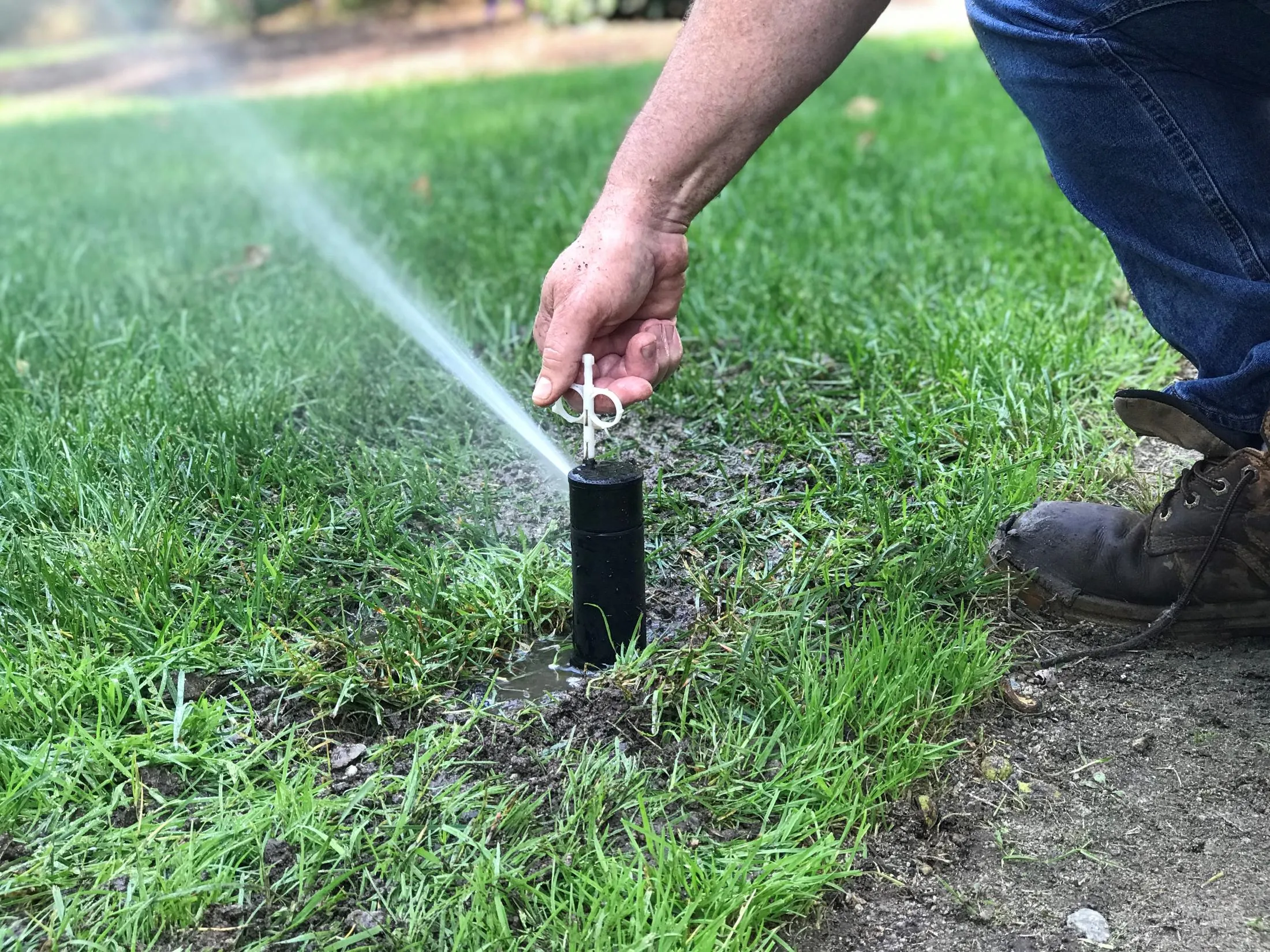
Seasonal care prevents failures and keeps systems running smoothly year-round.
- Winterisation : In cold climates, winterise systems to prevent freeze damage.
- Spring Startup : Check and adjust systems before the growing season begins.
- Summer Tweaks : Increase frequency during hot months to compensate for higher evaporation.
Following these seasonal steps reduces emergency repairs and extends component life.
In colder areas, winterisation may mean draining zones, blowing out lines with compressed air by a trained technician, or draining above-ground parts. Spring startups confirm valves, heads, and sensors survived winter and are delivering uniform coverage.
How Can Common Irrigation Issues Be Identified and Resolved?
Most irrigation problems are detectable with routine inspection and straightforward fixes.
- Spotting Leaks : Regular checks reveal leaks that should be repaired quickly to avoid waste.
- Adjusting Heads : Properly aligned heads improve coverage and efficiency.
- Fixing Pressure Problems : Monitor water pressure and adjust as needed for optimal performance.
Tackling leaks, misaligned heads, and pressure issues keeps systems reliable and reduces unnecessary water use.
Troubleshooting tips: run zones one at a time to spot blocked or broken heads; inspect valve boxes and manifolds for pooling that signals leaks; and verify controller settings after power outages. If the issue isn’t obvious, document symptoms and share them with your service technician for a focused diagnosis.
Where Can Homeowners Request Professional Irrigation System Installation Services?
Hiring qualified professionals provides value through site-specific design, proper commissioning, and long-term support.
- Contact Groundhog Landscaping and Property Maintenance : Groundhog Landscaping and Property Maintenance offers irrigation design and installation tailored to each property.
- Share Key Details : When requesting a quote, provide lawn size and any special needs.
- Book a Consultation : Groundhog Landscaping will schedule a site visit to review options and recommend a plan.
Working with a pro ensures proper sizing, correct commissioning, and better long-term performance.
Expect a consultation to include flow and pressure checks, a review of landscape zones and plant types, and a discussion of priorities like water savings, low maintenance, or automated scheduling. The result is a clear recommendation and a written estimate outlining the scope of work.
Why Choose Groundhog Turf Care for Expert Lawn Care and Irrigation Support?
Groundhog Turf Care brings experienced, reliable service and a local reputation for quality.
- Trusted Since 1994 : With years in the field, Groundhog Turf Care has built a solid reputation across southern New Hampshire.
- Full-Service Options : They offer a range of services, from routine lawn care to irrigation monitoring and repair.
- Trained Technicians : Technicians spot signs of overwatering or underwatering and will recommend contacting Groundhog Landscaping when system adjustments are needed.
- Positive Customer Feedback : Customers often praise the company’s reliability and attention to detail.
Choosing Groundhog Turf Care means getting experienced advice and professional lawn care support. Good contractors document work with as-built drawings and provide basic operational training so homeowners understand system operation and maintenance. Asking for references and checking warranties helps ensure you pick a provider that supports your landscape goals long-term.
How to Request a Quote and Schedule Lawn Care Services?
Getting a quote and scheduling services with Groundhog Turf Care is straightforward and designed to capture the details needed for an accurate proposal.
- Contact Groundhog Turf Care : Call to discuss your lawn care needs and request a quote.
- Share Key Info : Provide lawn size and any special requirements during the initial call.
- Arrange a Consultation : Groundhog Turf Care will set up a site visit at a convenient time to tailor a plan for your property.
This process makes it easy to start a professionally supported lawn care and irrigation program.
Before the consultation, gather basic details—property dimensions, water meter location, known drainage issues, and priority planting areas—to speed the survey and improve quote accuracy. After the visit, expect a scope document, materials list, and timeline so you know what to expect on service days.
Frequently Asked Questions
What factors should I consider when choosing an irrigation system?
Think about lawn size and layout, plant types, and local climate. Match the system (sprinkler vs. drip) to those conditions. Consider installation and ongoing maintenance costs, and whether manual or automated control fits your needs. A site assessment from a pro will give you a tailored recommendation.
Also plan for future landscape changes—gardens or hardscapes—so the system can be expanded without major retrofits. Ask about controller expandability and wiring paths to reduce future costs.
How often should I run my irrigation system?
Frequency depends on plant type, soil texture, and weather. Turf generally needs about 1 to 1.5 inches of water per week, including rain. Increase watering in hot, dry periods. Water early morning or late evening to reduce evaporation, and use soil moisture checks to fine-tune runtimes.
Adjust frequency seasonally and after heavy rain. Sandy soils may need shorter, more frequent cycles; clay soils often do better with longer, less frequent runs to avoid runoff and allow proper infiltration.
Can I install an irrigation system myself, or should I hire a professional?
DIY is possible for very simple systems, but professional installation is recommended for proper coverage, code compliance, and efficient operation. Pros provide design, component selection, and commissioning that reduce the risk of inefficiency or failure.
Homeowners comfortable with basic plumbing and electrical work can tackle small systems, but larger, hybrid, or permitted systems and those requiring backflow prevention or electrical connections are best handled by licensed professionals.
What maintenance is required for an irrigation system?
Basic maintenance includes leak checks, filter and nozzle cleaning, head alignment inspections, and seasonal schedule adjustments. In colder climates, winterisation is essential to prevent freeze damage. These steps preserve efficiency and savings.
Keep a simple calendar of tasks and note observations during inspections. Address minor issues—like a misaligned head or a small leak—before they grow into major repairs that cost more and waste water.
How can I troubleshoot common irrigation system problems?
Common problems are leaks, uneven coverage, and low pressure. Look for visible leaks and repair them, realign or replace faulty heads, and check filters and valves for clogs. Verifying supply pressure and running routine inspections prevents small faults from becoming big issues.
When troubleshooting, run zones one at a time to isolate problems, note which heads show poor coverage, and confirm controller programs are correct. Keep a list of symptoms and steps taken to share with a technician if professional service is needed.
What are the environmental benefits of installing an irrigation system?
Efficient irrigation conserves water by reducing evaporation and runoff and by delivering water to the root zone. This targeted approach supports sustainable landscaping, helps protect local water supplies, and benefits the wider environment.
Reducing excess watering also cuts nutrient runoff into storm drains and waterways, helping protect aquatic ecosystems while keeping home landscapes attractive.
Are there any rebates or incentives for installing an irrigation system?
Many utilities and municipalities offer rebates or incentives for water-efficient irrigation equipment. Check with your local water authority for program details, eligibility rules, and how to apply. These incentives can help offset installation costs.
Keep receipts, as-built plans, and equipment specs to support rebate applications. A qualified installer can often advise which equipment qualifies and assist with the paperwork.
Conclusion
An irrigation system delivers reliable watering, better water efficiency, and potential long-term savings. These systems support healthy turf, promote sustainable landscaping, and can enhance property value. Choosing the right system and hiring a professional installer helps ensure consistent performance and a better-looking yard. Explore Groundhog Landscaping and Property Maintenance services to get started.
Thoughtful design, routine maintenance, and the use of efficient controllers and sensors help align homeowner goals with water-conservation objectives. Taking a staged approach—site assessment, a clear installation plan, and a maintenance schedule—lets homeowners maximise benefits while controlling costs over the system’s lifetime.
