
Fall pruning is one of the best things you can do for your shrubs here in New Hampshire. Get the timing right, and you’ll set your plants up for stronger growth and better blooms next season. In this guide, we’ll walk you through which shrubs respond well to a fall trim, when to actually pick up the pruners, the techniques we rely on, and how pest control fits into the picture. Our goal is to give New Hampshire homeowners a clear, practical game plan for fall shrub care.
Pruning at the right time doesn’t just keep your shrubs looking good — it can also help keep pests from moving in. Below, we’ll cover the shrubs that love a fall pruning, how we approach the job, and how our team at Groundhog Turf Care can take shrub maintenance off your plate.
Which Shrubs Are Ideal for Fall Pruning in New Hampshire?
Not every shrub wants to be pruned in the fall, but several common New Hampshire varieties really benefit from it. Here’s how we think about which ones to tackle this time of year.
What Native and Common Shrub Species Benefit from Autumn Pruning?
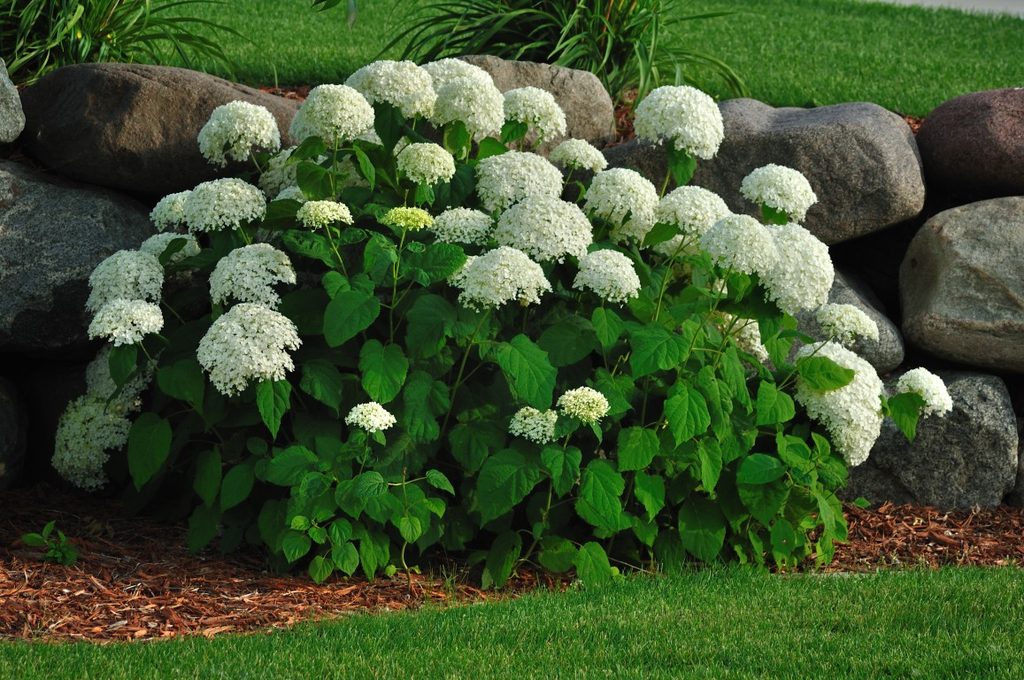
We see great results pruning these shrubs in the fall:
Lilac: A fall prune encourages vigorous new growth and can improve next season’s blooms.
Forsythia: We generally prune these right after they flower, but a little fall cleanup helps prep them for the following year.
Hydrangeas (panicle and smooth varieties): These bloom on new wood, so fall pruning sets them up nicely for spring flowering.
Fall gives these shrubs a chance to put their energy into new foliage and blooms once spring arrives.
Which Shrubs Should Be Avoided During Fall Pruning in New Hampshire?
Some shrubs are better left alone until a different time of year:
Spring-blooming shrubs: Azaleas and rhododendrons set their flower buds over the summer, so pruning them in fall can cost you a lot of blooms.
Evergreens: We recommend leaving holly, juniper, and similar plants unpruned in the fall so they head into winter with their shape and health intact.
Pruning the wrong shrub at the wrong time can do more harm than good, so this distinction matters.
When Is the Best Time to Prune Shrubs in Fall in New Hampshire?
Timing makes a real difference when you’re pruning shrubs in New Hampshire, and fall gives you a fairly specific window to work with.
How Does New Hampshire’s Seasonal Climate Affect Pruning Schedules?
Our local climate shapes when we schedule pruning. We typically aim for late September through mid-November — late enough that the summer heat has passed, but early enough to beat the first frost, which usually hits in late October or early November. Pruning in this window gives shrubs time to recover before winter conditions set in.
What Are the Late-Season Pruning Guidelines for Shrubs?
When we prune late in the season, we follow a few key guidelines:
Check the plant’s health first: We only prune shrubs that show no signs of disease or serious stress.
Cut back selectively: We aim to remove about a third of the plant while keeping its natural shape.
Keep tools clean: Sharp, clean tools mean cleaner cuts and less risk of spreading disease.
Following these guidelines helps shrubs head into dormancy in the best possible shape.
What Are the Recommended Pruning Techniques for Fall Shrubs?
Using the right technique matters just as much as timing. Here’s how we approach the actual work of pruning.
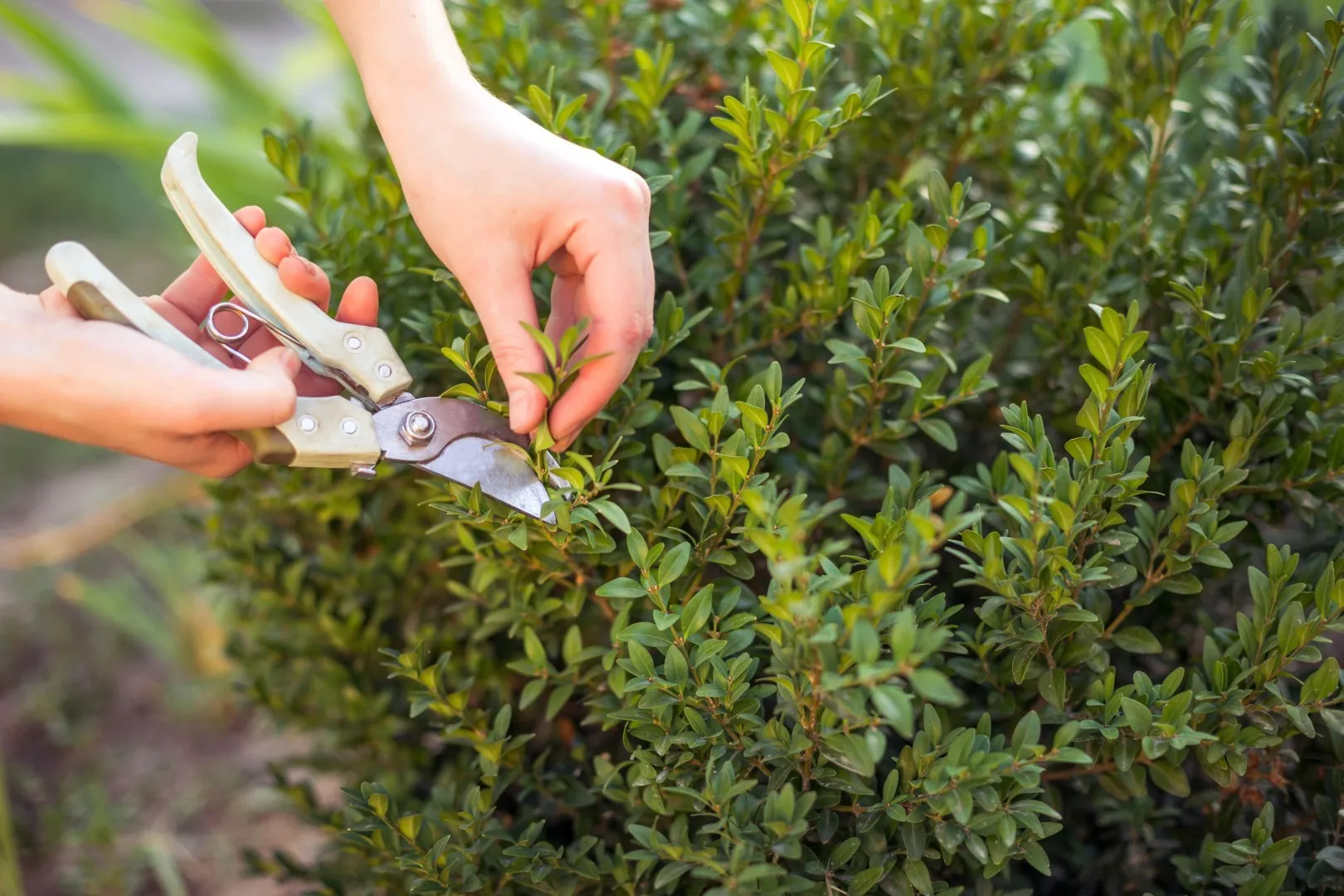
Which Tools and Methods Ensure Proper Shrub Shearing and Thinning?
We rely on a few core tools for most pruning jobs:
Hand pruners: Great for small branches and detail work.
Loppers: Useful for higher branches or thicker stems.
Pruning saws: What we reach for when we need to make larger cuts on woody branches.
Using the right tool for the job helps us prune cleanly and keep plants looking their best.
How to Make Correct Pruning Cuts to Promote Shrub Health and Growth?
A few things we always keep in mind when making cuts:
Cut at an angle: This helps with drainage and lowers the risk of disease on the cut surface.
Leave healthy buds: We prune just above a bud to guide new growth in the right direction.
Don’t overdo it: Too many cuts can stress a plant and slow its recovery.
These habits go a long way toward keeping shrubs healthy for years to come.
How Does Pest Control Integrate with Fall Shrub Pruning in New Hampshire?
Pruning is mainly about plant health, but it also plays a role in keeping pests away.
What Pest Risks Does Fall Pruning Mitigate in Local Shrub Species?
Overgrown or untrimmed shrubs are magnets for aphids and spider mites. When we thin shrubs and clear out dead wood, we’re also cutting down on the hiding spots and conditions pests need to take hold.
Which Post-Pruning Pest Control Practices Are Recommended?
After we finish pruning, we recommend:
Inspecting regularly: Keep an eye out for signs of pests or disease.
Treating problem spots: We’ll apply insecticidal soap or horticultural oil if pests show up.
Mulching: A layer of mulch around your shrubs helps discourage pests from settling in.
Together, these steps help shrubs stay healthy and resilient through the seasons.
Why Should You Schedule Professional Shrub Pruning Services in New Hampshire?
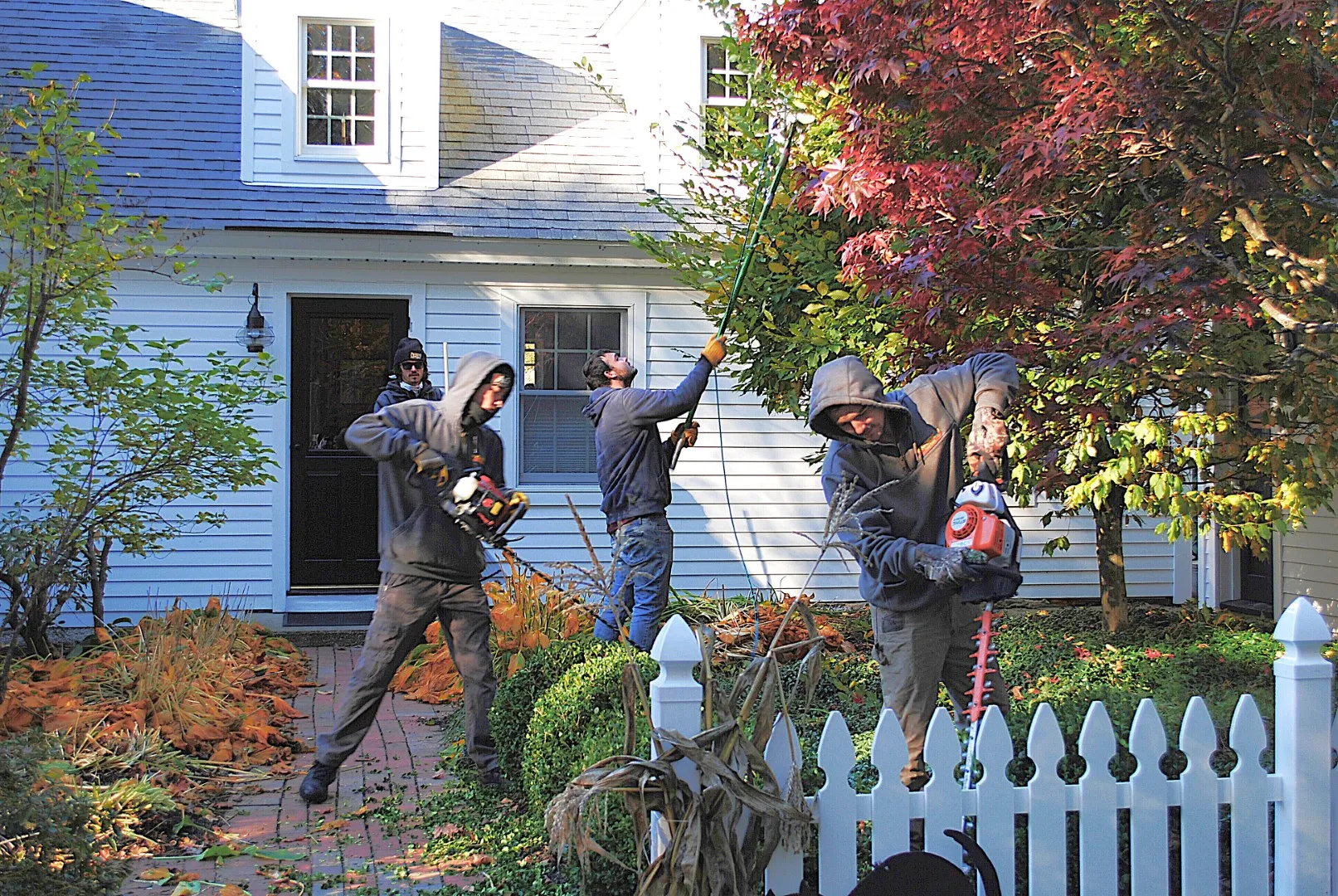
Bringing in a professional for pruning takes the guesswork — and the labor — off your hands.
What Expertise Does Groundhog Turf Care Provide for Fall Shrub Maintenance?
We specialize in complete lawn maintenance, including shrub pruning tailored to New Hampshire’s conditions. Our team knows what different species need and how to time and execute pruning so your shrubs grow healthy while still looking great.
How to Request a Quote and Schedule Fall Pruning Services Efficiently?
Ready to get on our schedule? Reach out to us and tell us what you need — we’ll walk you through the details and put together a quote for your property. The sooner we schedule your fall pruning, the more your shrubs benefit before winter arrives.
What Are the Essential Fall Shrub Care Tips for New Hampshire Homeowners?
Pruning is just one piece of fall shrub care. Here’s what else we recommend keeping on your radar.
How to Use a Seasonal Lawn and Shrub Care Calendar Effectively?
Keeping a seasonal care calendar helps you stay on top of:
Pruning schedules: Marking the best dates for pruning each type of shrub.
Fertilization timelines: Making sure shrubs get the nutrients they need as winter approaches.
Pest control actions: Scheduling preventative treatments before pests become a problem.
A calendar like this makes it much easier to stay ahead of shrub care instead of playing catch-up.
What Additional Maintenance Supports Shrub Vitality After Fall Pruning?
Once pruning is done, we recommend a couple more steps to keep shrubs strong:
Watering: Make sure shrubs stay well-hydrated before winter, especially if it’s been dry.
Fertilization: A slow-release fertilizer applied in early fall supports whatever growth is left before dormancy.
These small steps help shrubs come back healthy and ready to grow when spring arrives.
FAQ
Which shrubs benefit most from fall pruning in New Hampshire?
Lilac, forsythia, and panicle or smooth hydrangeas respond well to fall pruning. Fall pruning helps these shrubs put their energy into new foliage and blooms once spring arrives.
What is the best window for fall shrub pruning in New Hampshire?
Late September through mid-November is the ideal window. This timing lets shrubs avoid summer heat while still recovering before the first frost hits in late October or early November.
Which shrubs should you avoid pruning in fall?
Avoid pruning spring-blooming shrubs like azaleas and rhododendrons, since they set flower buds over summer. Also skip evergreens such as holly and juniper so they keep their shape and health through winter.
Conclusion
In closing, correctly timing fall pruning protects shrub health while supporting strong spring growth. Understanding which species tolerate dormant-season cuts, and which are better left until after their bloom cycle, prevents unnecessary stress and preserves the landscape investment property owners have made. Our licensed specialists apply Plant Health Care principles to every pruning decision, ensuring cuts improve airflow, structure, and vigor rather than compromise them. With informed timing and proper technique, New Hampshire landscapes enter winter dormancy well-prepared to flourish again once the growing season resumes.
