
Deciding whether to fertilize your lawn during New Hampshire’s summer heat isn’t always straightforward, and getting it wrong can set your grass back for weeks. As temperatures climb, lawns — especially cool-season grasses — start to feel the strain, and growth and color can suffer if you don’t adjust your approach. In this guide, we’ll walk you through how summer heat affects your lawn, which fertilizers actually work in hot weather, why pest control matters just as much as feeding your grass, and how to water so everything you’re doing actually pays off.
We’ll cover four things: how summer heat affects lawn health, the best fertilizer types and timing, why pairing fertilization with pest control gets better results, and watering practices that support it all. By the end, you’ll know exactly what your lawn needs to come through the summer looking its best.
Key Takeaways
Summer heat and humidity trigger lawn fungus like red thread, dollar spot, and brown patch fast.
We recommend skipping fertilizer during NH’s hottest stretches to avoid stressing heat-strained turf.
High nitrogen applications in summer heat fuel fungal outbreaks instead of healthy grass growth.
We time treatments around Derry, NH’s specific summer temperature and moisture patterns.
How Does Summer Heat Affect Lawn Health in New Hampshire?
Summer heat is tough on New Hampshire lawns, particularly cool-season grasses that do best in milder temperatures. When temperatures climb, soil dries out faster, and that moisture loss puts real stress on the grass. Kentucky bluegrass and tall fescue, two of the most common lawns we see, tend to feel it first — you’ll notice dulling color and slower growth before anything more serious sets in.
Heat combined with inconsistent watering also makes it harder for grass to take up nutrients, which only compounds the problem. That’s why we encourage homeowners to rethink their lawn care approach once the heat sets in, rather than sticking to a spring routine that no longer fits the conditions.
How Does Heat Stress Impact Turf Growth and Vitality?
Heat stress slows photosynthesis and nutrient uptake, which is exactly what you don’t want happening to your lawn in July. As grass struggles to hold onto moisture, it can go dormant, and in severe cases, it won’t recover on its own. Once temperatures sit above 85°F for several days in a row, we typically see a noticeable drop in growth.
The fix is to adjust watering and choose fertilizers that support nutrient uptake even while the grass is under stress. Get these two things right, and your lawn holds up far better through the toughest stretches of a New Hampshire summer.
What Are the Best Fertilizer Types and Application Timings for NH Summer Lawns?
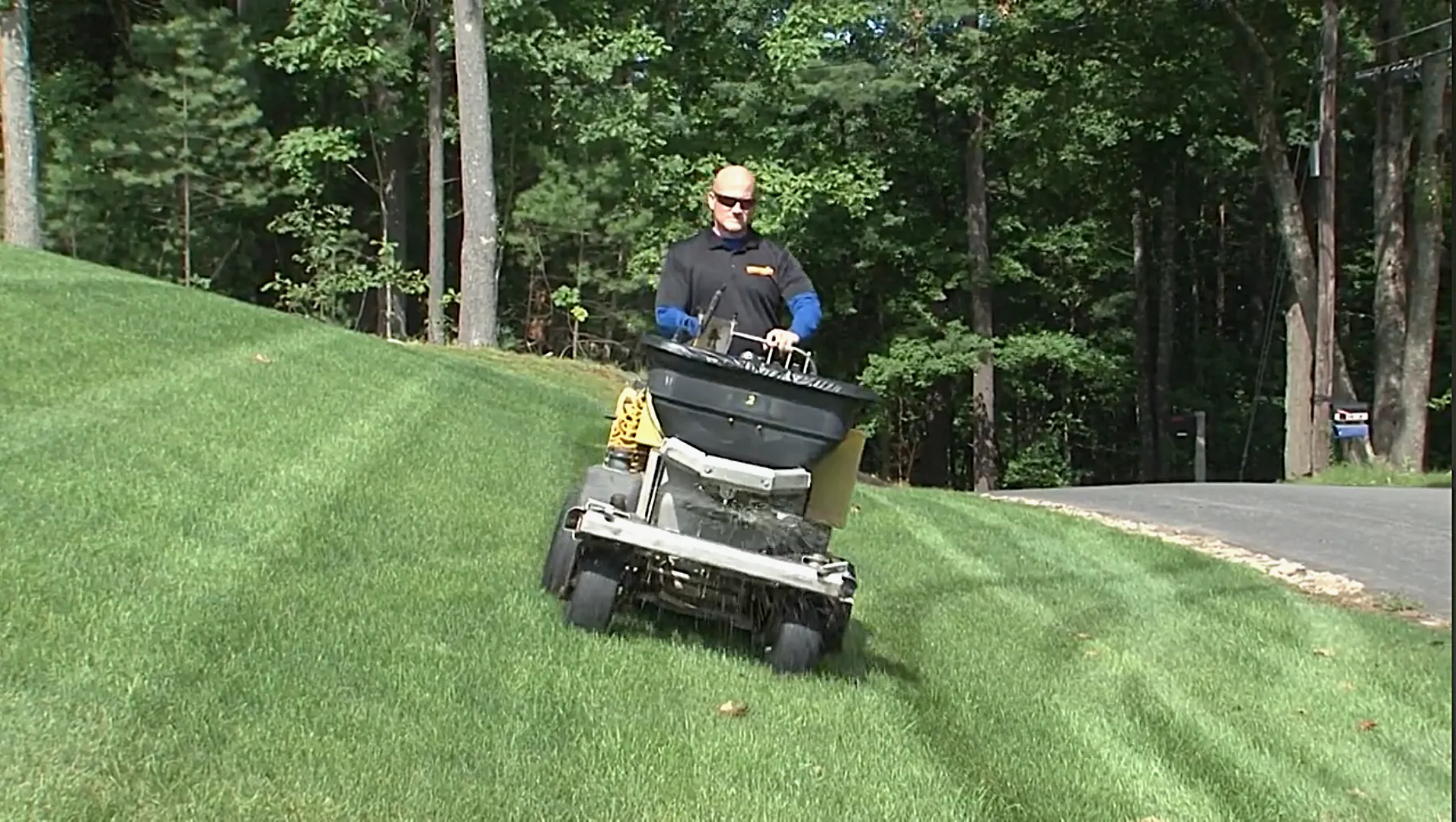
Picking the right fertilizer — and applying it at the right time — makes a real difference in how your lawn handles summer. We generally recommend slow-release fertilizers for the hot months, since they feed the grass steadily instead of delivering a jolt of nutrients it can’t use under stress. Potassium-rich formulas are also worth considering, as potassium helps grass hold up better in drought conditions.
Matching your fertilization schedule to what’s actually happening with the weather — rather than a fixed calendar date — tends to produce better results. Fertilizers that respond to soil temperature help make sure your grass gets fed when it needs it most, not just when the bag says to apply it.
When Is the Ideal Time to Fertilize Lawns During NH’s Hot Months?
We typically recommend fertilizing in late spring through early summer, while temperatures are still moderate but starting to climb. Apply during the cooler parts of the day — early morning or late afternoon — to avoid burning the grass. This timing gives your lawn a chance to absorb what it needs before the real heat arrives.
Lining up your fertilization with cooler stretches of weather leads to healthier, more resilient grass that holds its color even at the height of summer.
We offer professional fertilization services built around what New Hampshire lawns actually deal with each summer. Our slow-release formulations are designed to support your lawn steadily through the season, without the stress of a quick-release feed during a heat wave.
How Can Integrated Pest Control Enhance Summer Lawn Fertilization Results in New Hampshire?
Pest control isn’t a separate concern from fertilization — the two work together. If pests are left unchecked, even a well-timed, well-chosen fertilizer won’t deliver the results you’re expecting.
Grubs and chinch bugs, in particular, damage grass roots and interfere with nutrient uptake no matter how well you’ve fertilized. That’s why we coordinate pest control with our fertilization programs — it’s a big part of what separates a lawn that merely survives the summer from one that thrives.
How Does Combining Pest Management With Fertilization Improve Lawn Health?
When you manage pests and fertilize at the same time, the results compound. Keeping pest pressure down means the nutrients you’re applying can actually reach the roots and do their job, instead of being undermined by insect damage happening beneath the surface.
With pests under control, grass absorbs nutrients more efficiently and fills in greener and thicker. Staying on top of pest management also protects your lawn long-term, heading off the kind of outbreaks that show up when the underlying issue goes unaddressed.
What Are the Optimal Watering Strategies for Lawns During NH Summer Heat?
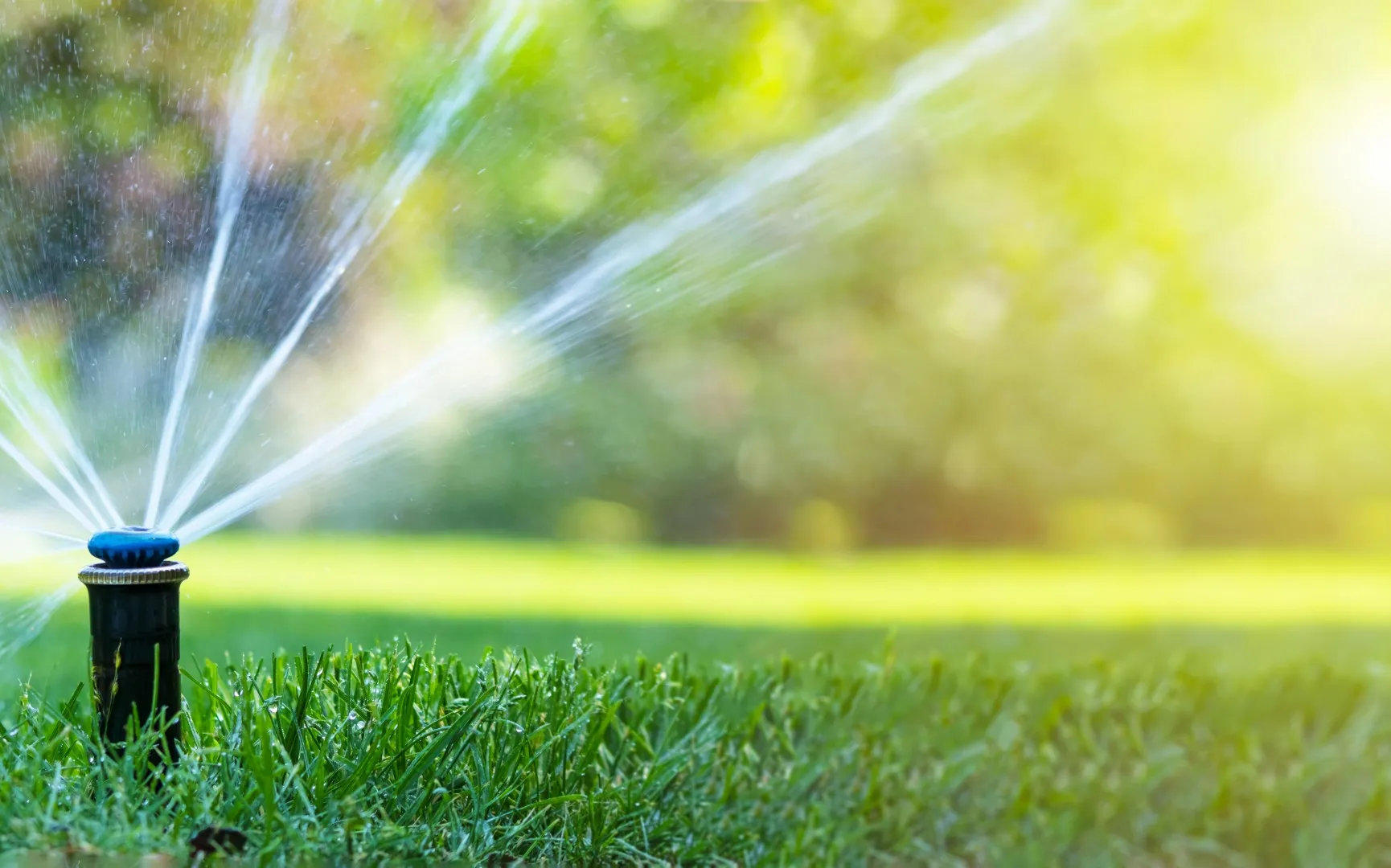
Watering correctly is just as important as fertilizing correctly during a New Hampshire summer. Get it right, and your lawn stays hydrated and able to make full use of the nutrients you’re feeding it.
Most lawns need about an inch of water a week, whether that comes from rain or your sprinkler system. Splitting that into two watering sessions a week tends to keep the soil evenly moist without oversaturating it — which can cause its own set of root problems.
What Practices Prevent Water Stress and Promote Fertilizer Absorption?
To keep your lawn from getting stressed and to help it make the most of any fertilizer you apply, we recommend a few simple practices:
Water Early: Water in the early morning to cut down on evaporation.
Deep and Infrequent Watering: Water less often but more thoroughly, so roots grow deeper and stronger.
Monitor Soil Moisture: A soil moisture gauge takes the guesswork out of timing, so you’re watering exactly when your lawn needs it — not too much, not too little.
These habits do more than keep your lawn looking good — they also make sure the nutrients from fertilization actually get where they need to go.
Why Choose Groundhog Turf Care for Your NH Summer Lawn Fertilization Needs?
Working with a professional lawn care provider can make a real difference in how your lawn holds up during the hardest months of the year. We specialize in turf management built specifically around New Hampshire’s climate, and we understand what local lawns need to get through the summer looking their best.
Our experience with fertilization and pest control means you get proven methods, not guesswork. Our services include targeted fertilization applications, integrated pest management, and ongoing maintenance built around your lawn’s specific conditions.
How Can You Schedule a Lawn Care Quote With Groundhog Turf Care?
Getting a quote from us is simple. Call our office at (603) 505-8587 to talk through your lawn’s needs, and we’ll put together a plan suited to your property. We’ll walk you through the process and give you everything you need to know to get your lawn looking and performing its best.
When you choose Groundhog Turf Care, you’re putting your lawn in capable hands — so you can enjoy a lush, healthy yard all summer long without having to manage it all yourself.
What Are Customers Saying About Groundhog Turf Care?
“Our yard truly was a showpiece for the special day. Countless guests complimented the amazing lawn, and it provided the perfect backdrop for all the wedding photos. The peace of mind that came with knowing our outdoor space was in expert hands was invaluable. I cannot recommend Nick, Mike, and their crew at Groundhog Turf Care highly enough. They exceeded every expectation and made our daughter’s wedding even more magical.” — Brian F., Windham, NH
FAQ
Should you fertilize your NH lawn during peak summer heat?
No — we recommend skipping fertilizer during NH’s hottest stretches, since high nitrogen applications fuel fungal outbreaks instead of promoting healthy growth in heat-strained turf.
What type of fertilizer works best for NH lawns in summer?
Slow-release, potassium-rich fertilizers work best, feeding grass steadily and helping it hold up better during drought conditions instead of delivering a stressful nutrient jolt.
When is the best time to fertilize before summer heat arrives?
Fertilize in late spring through early summer while temperatures stay moderate, applying during cooler parts of the day like early morning or late afternoon to prevent burning the grass.
Conclusion
When your lawn’s soil and grass are already stressed by the heat, more fertilizer isn’t the answer — patience is. We build our nutrition programs around New Hampshire’s actual growing season, not a fixed calendar, so every application lines up with what your lawn can handle. That approach protects the roots, keeps the color strong, and helps your lawn bounce back faster once temperatures cool off. We apply this same careful judgment on every property we service, so you get consistent, healthy results without unnecessary risk during the hottest weeks of summer.
