
At Groundhog Turf Care, we consider September one of the most important months on the calendar for lawn care in New Hampshire. As temperatures cool down, lawns get a break from summer heat and stress, and that shift creates the perfect window for us to help your grass bounce back stronger. In this article, we’ll walk through why early fall is the best time for aeration and overseeding, what’s happening in the soil and the air that makes it work so well, and the real benefits you can expect.
We often see homeowners put off lawn renovation longer than they should, which only makes recovery harder down the road. By the end of this article, you’ll know how to time these services right and why the expertise behind them matters.
Knowing when your lawn needs a little extra help is the first step toward a healthier yard.
Renovating a lawn involves restoring a deteriorating turf grass area to healthy dense lawn. A healthy established lawn will generally be able to out-compete many weeds, withstand a certain amount of damage from insects disease, and also cope with drought. When your lawn is in poor condition because of poorly adapted grasses thinning turf, weed problems, insect or disease damage, or excessive thatch it’s time to renovate.
Margaret Hagen UNH Cooperative Extension On Lawn Renovation 2017
Climatic Factors:
September’s weather works in your lawn’s favor. Cooler air takes the pressure off the grass, giving it room to recover and grow again, while the soil stays warm enough to help seeds germinate. There’s also less weed competition this time of year, so new grass can establish itself without fighting for nutrients and sunlight. Put simply, September brings together everything a lawn needs to thrive.
Soil Conditions:
Getting the timing right on soil conditions makes a real difference for aeration and overseeding. When we aerate the soil, we open it up so water, air, and nutrients can actually reach the roots instead of sitting on the surface. That lets roots grow deeper and stronger, which builds a tougher lawn overall. Healthy soil also has the nutrients newly seeded grass needs to take hold. The result is a lawn that not only looks better right away but stays healthier for years to come.
Specific Benefits of Aeration and Overseeding in September:
Aeration and overseeding in September can genuinely transform a lawn. The cooler weather helps grass recover from summer stress faster, and aeration creates ideal conditions for seeds to germinate and take root. As new grass fills in bare spots, there’s less room left for weeds to move in. Over time, all of this adds up to a healthier lawn that boosts curb appeal and can even add value to your property.
This is why we tell our customers September is the month to prioritize lawn care.
What Are the Benefits of Fall Lawn Aeration in New Hampshire?
Fall aeration offers real advantages that are especially well-suited to New Hampshire’s climate. It relieves soil compaction so nutrients can actually reach the grass roots, which helps your lawn recover from summer stress more efficiently. With the right timing, you’ll notice your grass thickening up and holding stronger against disease and pests. When we schedule aeration for our customers during this window, the improvements are usually easy to see.
Why Is September Ideal for Aeration Considering New Hampshire Climate?
New Hampshire’s September climate sets up ideal conditions for aeration. Cooler air eases stress on the grass, and warmer soil keeps encouraging growth and recovery. Timing matters here — we always aim to aerate before the first frost so the grass has enough time to bounce back. Get that timing right, and your lawn is set up to reach its full potential.
Which Overseeding Techniques Are Most Effective for September in NH?
We rely on a few key techniques to get the best results from September overseeding. First, we choose seed varieties suited to New Hampshire’s climate. Second, we spread a light layer of topsoil over seeded areas to improve seed-to-soil contact, which makes a big difference in germination. Finally, consistent watering is essential in those early weeks to keep new seeds hydrated while they establish.
How Does Proper Seed-to-Soil Contact Influence Germination Success?
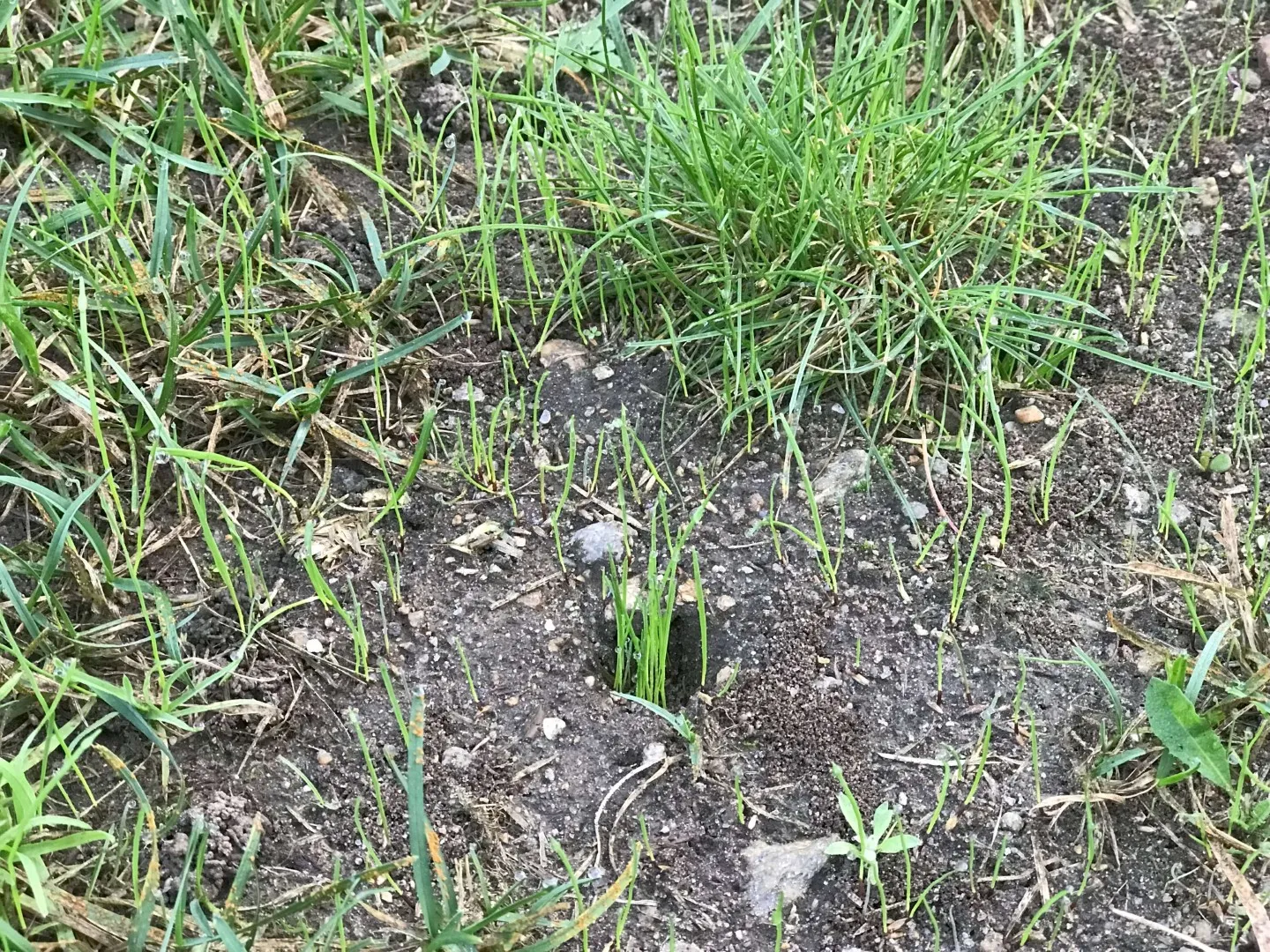
Good seed-to-soil contact is one of the biggest factors in successful germination. When seeds sit directly against the soil, they draw in moisture more efficiently and sprout faster. That’s why we rake or aerate the soil before seeding — it helps the seeds settle in properly. Get that contact right, and you’ll see stronger growth and deeper roots down the line.
How Does Integrated Pest Control Support Lawn Renovation After Overseeding?
Newly overseeded grass is delicate, and pests can quickly set back its growth. That’s where integrated pest control comes in. We use pest management strategies like natural repellents and ongoing monitoring to protect new grass while it establishes. It’s a step we recommend to any homeowner who wants to protect the investment they’ve made in their lawn.
How Should Homeowners Schedule Aeration and Overseeding Services in NH?
Getting the timing right matters as much as the service itself. We recommend scheduling aeration and overseeding in early to mid-September, before colder temperatures set in. Because we know the local climate and growth patterns, we can help you pin down the right window for your lawn. If you’re not sure where to start, reach out to our team — we’re happy to walk you through what your lawn needs based on its current condition and the season ahead.
Why Is Professional Expertise Essential for NH Lawn Renovation?
There’s real value in bringing in professionals for lawn renovation. Our team knows the local conditions that affect turf health, so we can build a plan tailored to your lawn specifically. We also work with specialized equipment that simply gets better results than typical homeowner tools. Combine the right knowledge with the right techniques, and you get a lawn that holds up against whatever the seasons throw at it.
What Role Does Fall Fertilization and Soil Preparation Play in Lawn Renovation?
Fall fertilization and solid soil preparation go hand in hand with a successful lawn renovation. Fertilizing in the fall replenishes the nutrients your soil needs to support growth through the colder months, and soil testing helps us pinpoint exactly what your lawn needs. Preparation steps like aeration and dethatching lay the groundwork that makes the rest of the process — aeration and overseeding — actually work.
How Does Soil Preparation Enhance Aeration and Seed Growth?
Solid soil preparation sets everything else up for success. Loosening compacted soil and improving drainage gives seeds a better place to land and lets nutrients reach where they’re needed. That means faster germination and stronger root development. When we take the time to prepare the soil properly before aeration and overseeding, we’re setting your lawn up to thrive well beyond the season.
FAQ
Why is September the best time for aeration and overseeding in New Hampshire?
Cooler September air relieves summer stress on grass while warm soil keeps encouraging seed germination, and reduced weed competition lets new grass establish without fighting for nutrients and sunlight.
What does aeration do for your lawn?
Aeration loosens compacted soil, opening it up so water, air, and nutrients reach the roots instead of sitting on the surface, which builds deeper roots and a tougher, healthier lawn.
How does overseeding improve lawn appearance and health?
Overseeding fills in bare patches with new grass, creating a fuller lawn that leaves less room for weeds and, combined with aeration, boosts curb appeal and property value.
Conclusion
In closing, September’s cooling soil temperatures and reliable moisture create the ideal window for aeration and overseeding to take hold, giving turf the opportunity to establish strong root systems before winter dormancy. Homeowners who invest in this seasonal service position their lawns for denser, more disease-resistant growth come spring. Our licensed specialists apply proven agronomic practices to ensure each property receives the precise treatment it needs, delivering lasting results built on sound soil health principles rather than temporary fixes.
