
At Groundhog Turf Care, we hear the same frustration from homeowners across New Hampshire every summer: “I’m watering my lawn regularly, so why is it still turning brown?” The answer usually comes down to one of three culprits — heat stress, disease, or pests — and often a combination of all three. In this article, we’ll walk through what causes those brown patches and share effective strategies for lawn care that actually work. You’ll learn how to spot the symptoms of heat stress, recognize common lawn diseases, understand the role pests play, and adjust your watering habits to keep your lawn healthy through New Hampshire’s tougher stretches of weather. Once you know what you’re dealing with, getting your lawn back on track becomes a lot more manageable.
Key Takeaways
We identify red thread, leaf spot, dollar spot, and brown patch fungus causing brown lawns in NH.
Humidity and warm summer temperatures activate turf diseases regardless of your regular watering schedule.
We serve Derry, NH lawns with 12 employees delivering targeted disease diagnosis and treatment plans.
Overwatering combined with summer heat creates ideal conditions for fungal disease to spread quickly.
What Are the Key Symptoms of Heat Stress Affecting NH Cool Season Grasses?
When a lawn is struggling with heat stress, it usually tells you in a few unmistakable ways. Browning grass blades are the clearest sign — it means the grass can’t pull enough moisture from the soil to keep itself going. You’ll also often notice wilting and a dull, tired-looking color as cool-season grasses slow their growth to cope with the heat. Long stretches of high temperatures combined with too little rainfall make these symptoms worse, which is why we encourage homeowners to catch the early warning signs before the damage spreads.
We’ve also seen the research back up what we observe in the field: high heat sets off real physiological changes inside cool-season grass, disrupting the processes the plant relies on to stay healthy. Studies on turfgrass have shown that heat stress affects cell membranes and the plant’s internal structure, which is exactly why a lawn under stress starts to look thin and discolored even when it’s being watered.
How Does Heat Stress Cause Brown Discoloration Despite Adequate Watering?
Brown discoloration from heat stress comes down to what’s happening inside the grass plant, not just what’s happening on the surface. As temperatures climb, grass has a harder time absorbing water efficiently, even if there’s moisture in the soil. The plant then rations what little it can take in, and the blades lose their firmness and turn brown as a result. It’s a common assumption that more watering will fix this, but overwatering usually makes things worse by adding a new set of problems on top of the heat stress. That’s why we always recommend understanding what’s actually happening beneath the surface before reaching for the hose — it makes lawn management far more effective.
Which Climatic Factors in New Hampshire Trigger Heat Stress in Lawns?
New Hampshire’s climate brings a few specific challenges that put lawns at risk. Once temperatures climb above roughly 85°F, cool-season grasses start to feel the strain. Add in dry spells or pockets of localized drought, and that stress compounds quickly. We also see this play out more severely in built-up areas, where pavement and buildings create “heat islands” that push local temperatures even higher. Knowing which of these factors are affecting your property helps us — and you — get ahead of the browning before it takes hold.
What Lawn Diseases Commonly Cause Brown Patches in NH Despite Regular Watering?
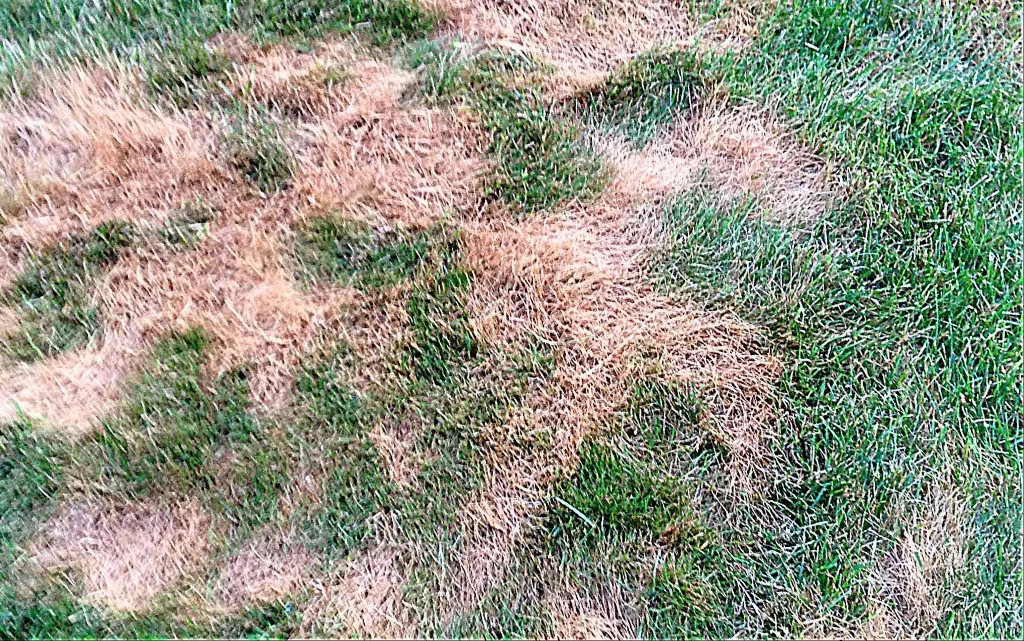
Lawn disease can look a lot like heat stress at first glance, which is why so many homeowners get stuck trying to diagnose their lawn on their own. Several fungal diseases are common in our area, and brown patch is one we see the most. It thrives in warm, damp conditions and can spread fast if it isn’t caught early. Getting an accurate diagnosis matters, because each fungus responds to a different treatment approach.
How to Identify Brown Patch Disease and Its Effects on Turf Health
Brown patch has a look you can learn to recognize. Watch for irregular, expanding brown patches, sometimes ringed by a darker border of grass that hasn’t yet been affected. Left alone, it weakens the turf and leaves it more vulnerable to pests and other stress. We recommend acting quickly once you spot it, since brown patch can cause lasting damage the longer it goes untreated.
The way a lawn is cared for day to day has a lot to do with how easily this disease takes hold. Thick, lush turf that stays damp for long stretches gives brown patch exactly the conditions it needs to spread, which is why watering habits and mowing routines matter just as much as any treatment we apply.
What Are Effective Lawn Fungus Treatments Available in New Hampshire?
We have several ways to treat lawn diseases like brown patch, from targeted fungicide applications to broader preventive care. Pairing treatment with good mowing and watering habits goes a long way toward keeping the problem from coming back. If you’re not sure what’s affecting your lawn, Groundhog Turf Care can take a look and put together a treatment plan built around your specific yard.
How Do Lawn Pests Contribute to Browning in Watered NH Lawns?
Pests are often the hidden cause behind a browning lawn, since the damage isn’t always obvious right away. Here in New Hampshire, insect activity below the surface can weaken grass roots and make it much harder for the lawn to hold onto water. Knowing what pest damage looks like helps homeowners catch it early, before it spreads across the yard.
Which Pest Species Cause Noticeable Turf Damage and Brown Patches?
A handful of pests are responsible for most of the turf damage we see. Grubs feed on grass roots and can wipe out large sections of lawn if left unchecked. Chinch bugs and sod webworms are two other common offenders, especially during the warmer months. Thinning grass and patchy, uneven color are usually the first clues that one of these pests has moved in.
What Are the Best Watering and Lawn Care Practices to Prevent Browning in NH Lawns?
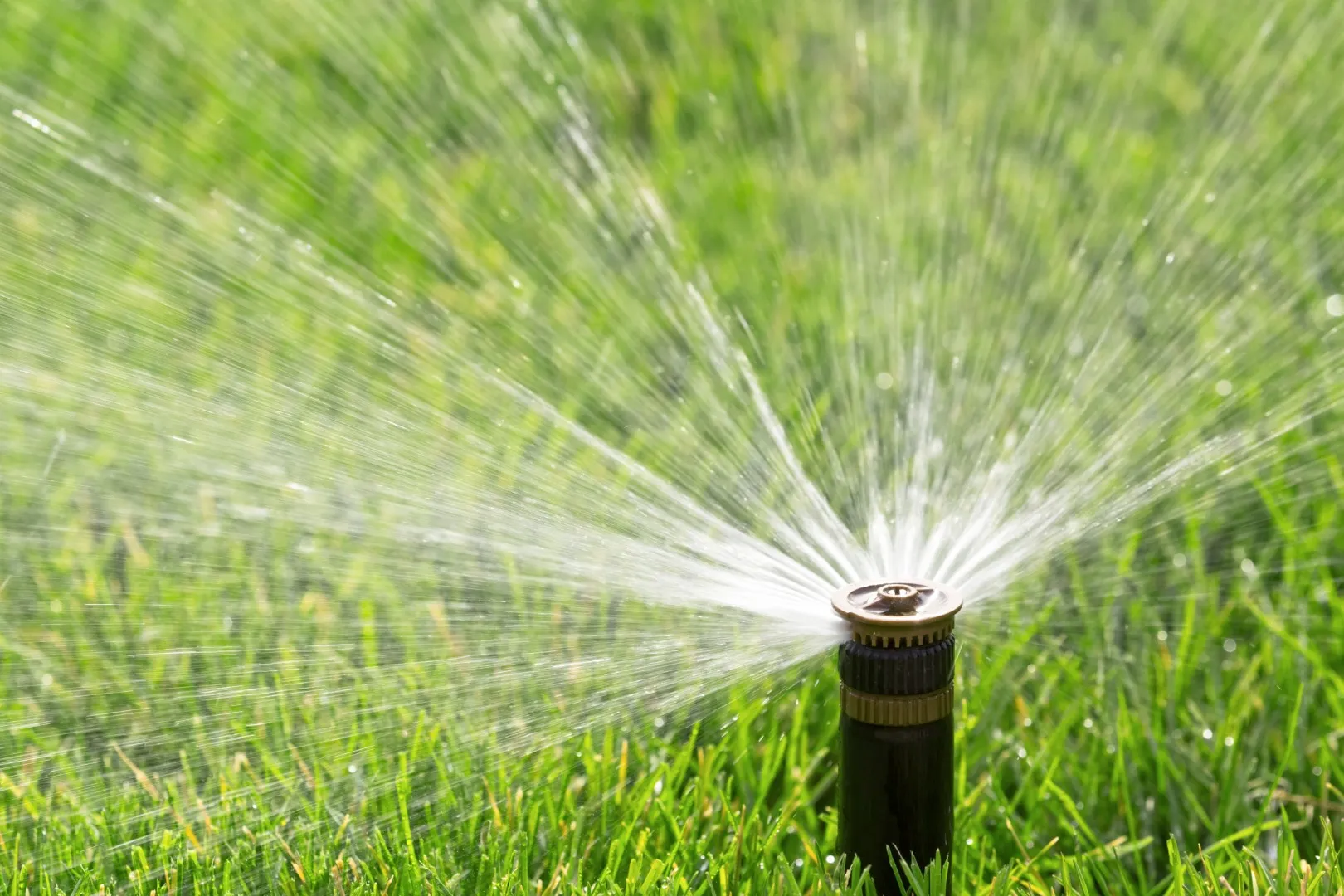
Good watering habits are one of the biggest factors in keeping a lawn green and resilient. A watering schedule built around New Hampshire’s climate makes a real difference in how well grass handles heat and other stress. It’s not just about how much water you use — when and how often you water matters just as much.
How Should Watering Schedules Be Adjusted for New Hampshire’s Climate?
We recommend watering deeply and less frequently rather than giving your lawn light watering every day. Deep watering encourages roots to grow further down, which helps grass access moisture on its own during dry stretches. During especially hot months or drought conditions, you may need to water a bit more often to keep the lawn sustained. And no matter the season, watering early in the morning cuts down on evaporation and gives your grass the best chance to absorb what it needs.
How Does Soil Condition and Aeration Influence Lawn Water Absorption and Health?
Healthy soil is the foundation for everything else. When soil is compacted or poorly structured, water struggles to reach the roots, which leads to shallow rooting and a lawn that’s more vulnerable to heat and disease. Aerating the lawn opens up the soil so air and water can reach deeper, giving roots room to grow and strengthening the lawn overall. It’s one of the simplest ways to help a lawn stand up to stress before it starts.
Compacted soil is more common than most homeowners realize, and it quietly undoes even the best watering routine. When soil gets packed down, water has a harder time soaking in, the soil holds less moisture, air can’t move through it properly, roots struggle to push through, and the beneficial microorganisms living in the soil become far less active. That’s why we always check soil condition first — watering more won’t help if the water can’t get where it needs to go.
When Should Homeowners Request Professional NH Lawn Care Services for Brown Lawn Issues?
Plenty of lawn issues can be handled on your own, but there are times when it’s worth bringing in a professional. If you’re seeing signs of serious stress, disease, or a pest problem that isn’t improving, that’s usually a good signal to call in an expert for a closer look.
What Diagnostic Services Can Identify Heat Stress, Disease, and Pest Problems?
We offer diagnostic services that look at soil condition, check for pest activity, and identify any disease affecting the lawn. These assessments help us figure out exactly what’s going on and build a plan around it, rather than guessing. Catching problems early through a proper evaluation usually means a faster, easier recovery for your lawn.
How Do Customized Lawn Care Plans Improve Recovery From Browning Symptoms?
A lawn care plan built specifically for your property makes a real difference in how quickly it bounces back from browning. We put these plans together based on your soil’s condition, the right irrigation approach for your yard, and pest management tailored to what your lawn actually needs. When you work with us at Groundhog Turf Care, you get a plan built around your lawn, not a one-size-fits-all fix — and that’s what leads to a lawn that stays healthy and green for the long run.
FAQ
If I’m watering regularly, why does my lawn still turn brown?
Heat disrupts how grass absorbs water even when soil moisture is present, so the plant rations intake and blades lose firmness and brown. Overwatering compounds the problem instead of solving it.
What temperature triggers heat stress in NH lawns?
Cool-season grasses start feeling strain once temperatures climb above roughly 85°F. Dry spells, localized drought, and urban “heat islands” from pavement and buildings intensify this stress further.
How do I know if brown patches are disease instead of heat stress?
Lawn diseases like red thread, leaf spot, dollar spot, and brown patch fungus often mimic heat stress symptoms. Groundhog Turf Care diagnoses the specific cause and builds a targeted treatment plan for NH lawns.
Conclusion
In closing, a brown lawn despite regular watering signals an underlying agronomic issue rather than a moisture deficiency—compacted soil, nutrient gaps, thatch buildup, or unmanaged pests all undermine turf vigor regardless of irrigation. Restoring density and color requires addressing root causes through balanced soil fertility, consistent nutrition, and proactive pest management, not simply increasing water volume. Our licensed specialists diagnose these underlying conditions and apply science-driven, nutrition-based programs that rebuild resilient, disease-resistant turf across New Hampshire’s growing season, delivering lasting results homeowners can see and trust.
