
As your New Hampshire lawn wakes up from winter dormancy, the right late-spring fertilization can make a real difference in how it looks and performs all season long. We know firsthand how tricky it can be to keep a lawn healthy here, given New Hampshire’s unique climate and soil conditions. In this article, we walk through what your lawn needs, when to apply it, and how we put together an effective fertilization strategy — from nutrient requirements and application methods to timing and what to do after we fertilize.
Nutrient Needs
When we fertilize in late spring, we focus on three key nutrients: nitrogen, potassium, and iron. Each one does its own job — nitrogen drives lush green growth, potassium helps grass hold up under stress, and iron keeps color rich and vibrant. That’s why we rely on balanced fertilizers that combine these nutrients with phosphorus and calcium, giving your lawn a well-rounded foundation for health.
We’re also careful about how much nitrogen we apply. Guessing at nitrogen rates instead of using real data tends to lead to over-application, which wastes product and can let excess nutrients wash away into the environment. We’d rather apply exactly what your lawn needs, so we lean on objective testing and proven guidelines to keep applications effective without overdoing it.
To better illustrate the specific nutrient requirements and optimal sources for NH lawns, consider the following table:
These nutrients work together to give your lawn both the look and the performance it needs to handle New Hampshire’s seasonal swings.
Application Methods
We use a couple of different methods to apply fertilizer, and we’ll help you choose the one that fits your lawn best.
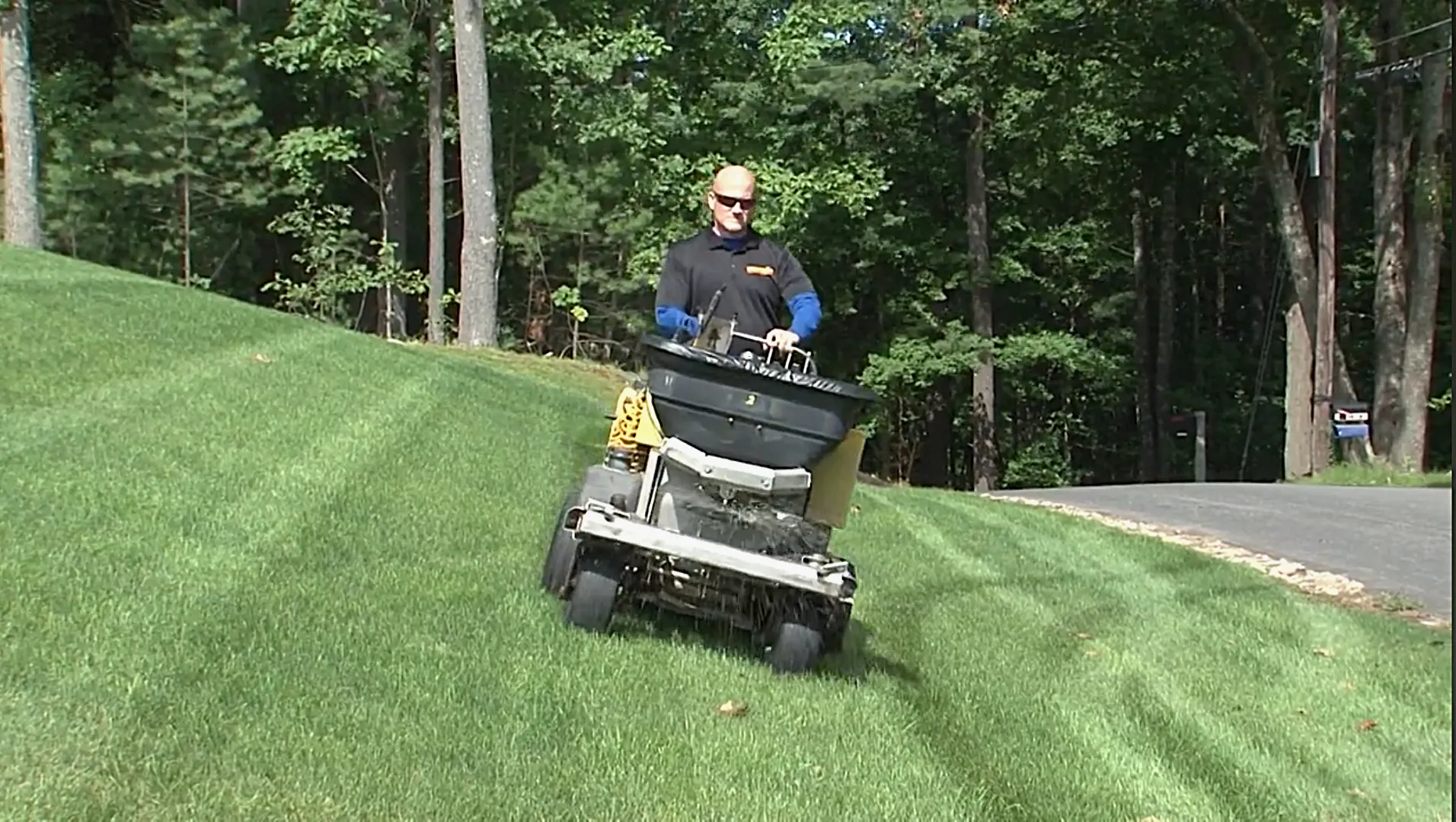
Granular Fertilizers: These are our go-to for their slow-release action, feeding your lawn steadily over time. We can spread them evenly with a broadcast spreader, and they carry a lower risk of runoff.
Liquid Fertilizers: These get nutrients to your lawn faster, but the nutrient profile tends to be narrower and they typically need to go down more often — around five to seven times a season — which isn’t always the most convenient option for homeowners.
We’ll help you weigh these options against your lawn’s condition and how hands-on you want your maintenance routine to be.
The intensity of a fertilization program matters too. Studies comparing lawn and athletic field management plans have consistently found that programs including fertilization outperform those that skip it, and even a modest, well-timed nitrogen rate can deliver strong color and quality. We use insights like these to build a program that’s dialed in to what your lawn actually needs — never more than necessary.
Timing
Timing makes or breaks a fertilization program. Late April to early May is typically our sweet spot for applying fertilizer in New Hampshire. That’s when grass is actively growing and best able to take up nutrients. Soil temperature matters here too — it needs to be warm enough to support strong root development, which is what makes the fertilizer actually work.
Getting the timing right means your lawn gets fed exactly when it needs it most, so nothing goes to waste.
Considerations
A few factors shape how well a late-spring fertilization goes:
Weather Conditions: We prefer to fertilize during cool, moist conditions. Dry spells can cause nutrients to evaporate before your lawn can absorb them.
Soil Conditions: We make sure the lawn isn’t waterlogged, since saturated soil can cause nutrients to leach away.
Mowing: We mow before fertilizing, but hold off on mowing right after application so nutrients have time to settle into the soil.
Keeping these factors in mind helps us build a fertilization plan that actually works for your lawn’s environment.
When Is the Optimal Time for Late-Spring Lawn Fertilization in New Hampshire?
We typically recommend late April through early June for late-spring lawn fertilization in New Hampshire. Exact dates shift a bit depending on local conditions, but this window lines up with the growing season, when grass makes the best use of the nutrients we apply.
Fertilizing during this stretch gives your lawn’s growth a real boost and strengthens it before summer heat arrives, so it’s ready to handle whatever the season brings.
How NH Seasonal Climate Influences Fertilizer Application Timing
New Hampshire’s seasonal climate adds its own wrinkles to fertilization timing. Soil temperature and moisture levels matter a lot here. In late spring, air temperatures can climb while the soil stays cooler and moist — conditions that are actually ideal for nutrient uptake.
We factor these seasonal shifts into every fertilization plan, making sure nutrients are available exactly when your grass needs them most, which supports healthy growth and resilience before summer stress sets in.
What Are the Recommended Fertilization Windows for Healthy Turfgrass Growth?
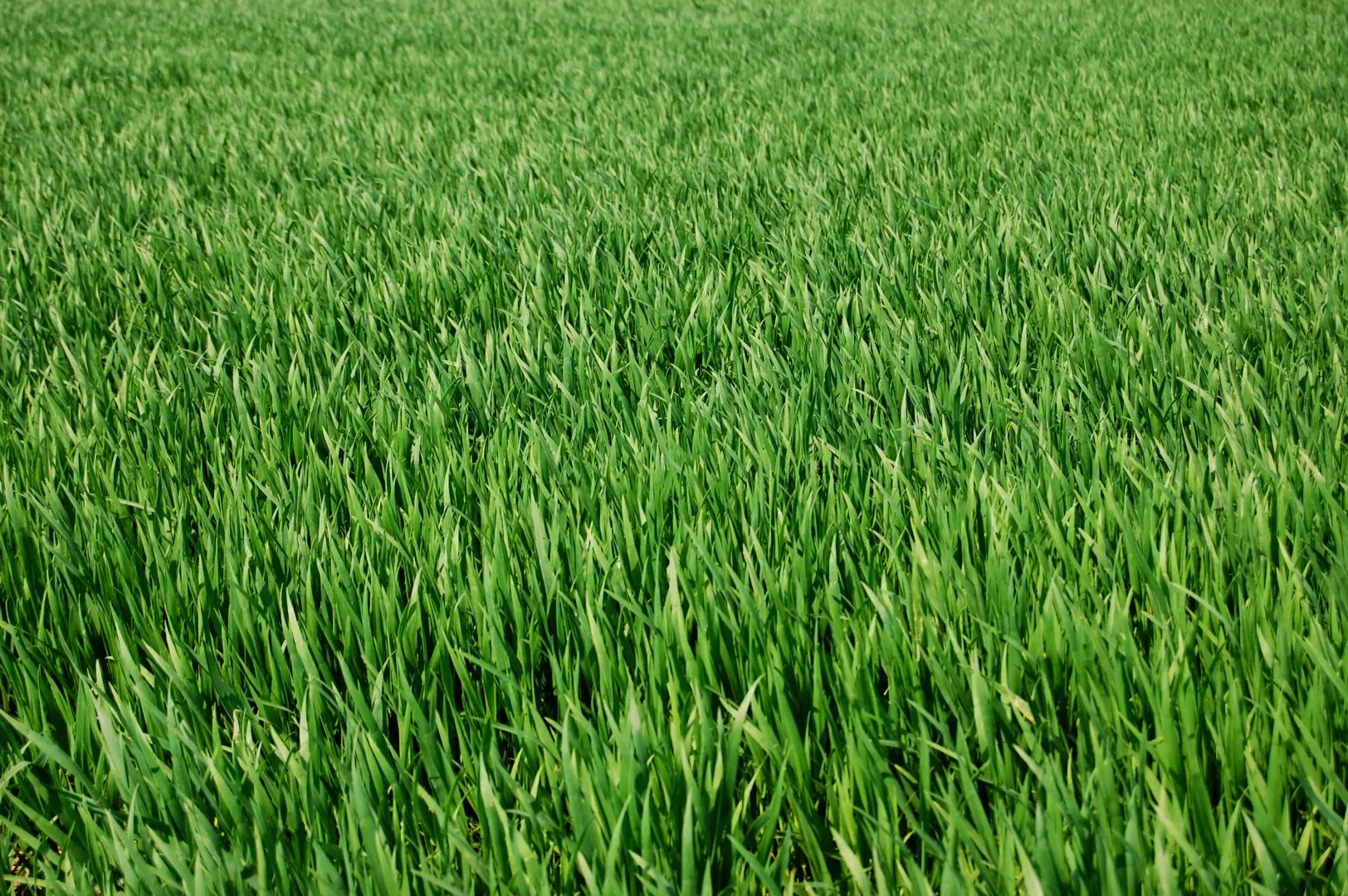
For strong turfgrass growth in late spring, we generally point to mid to late May as the prime fertilization window. Applying fertilizer during this stretch supports robust growth and builds up color and density ahead of summer stress.
Sticking to these windows significantly improves your lawn’s chances of thriving through the hotter months.
Which Fertilizer Types Best Support NH Lawns During Late Spring?
For late-spring fertilization in New Hampshire, we recommend slow-release granular fertilizers. They deliver a well-balanced nutrient profile and cut down on the risk of nutrients leaching away with rain or irrigation.
These fertilizers also keep feeding your lawn steadily over time, supporting consistent growth and helping your grass resist summer stress. They support both the immediate green-up you want to see and your lawn’s long-term health.
What Are the Key Nutrient Components in Fertilizers for NH Turf Nutrition?
The nutrients we count on most for lawn health and resilience are nitrogen, potassium, iron, and phosphorus. Together, they support growth, color, and overall vigor.
Nitrogen: Drives lush growth and recovery.
Potassium: Builds resilience against environmental stresses.
Iron: Enhances greening and chlorophyll production.
Combining these nutrients is how we keep lawns well-nourished through New Hampshire’s changing seasons.
How Do Customized Fertilization Plans Enhance Soil Nutrient Balance?
We build customized fertilization plans to keep your soil’s nutrient balance in the right place for your specific lawn. That process usually starts with thorough soil testing, so we can target amendments to what your soil actually needs.
This tailored approach lets us address nutrient deficiencies directly, leading to healthier grass and a lawn that’s more resilient against pests and disease. At Groundhog Turf Care, we specialize in building these personalized programs to get the most out of fertilization for New Hampshire lawns.
How Does Integrated Pest Control Complement Late-Spring Fertilization in NH?
We pair fertilization with integrated pest control because the two work hand in hand. A well-fertilized lawn is naturally more resilient and less susceptible to pest infestations. By combining strong fertilization with smart pest management, we build a layered defense that keeps your lawn healthy.
Focusing on both lets us rely less on chemical treatments while still giving your lawn the protection it needs.
Which Common NH Lawn Pests Require Attention in Spring?
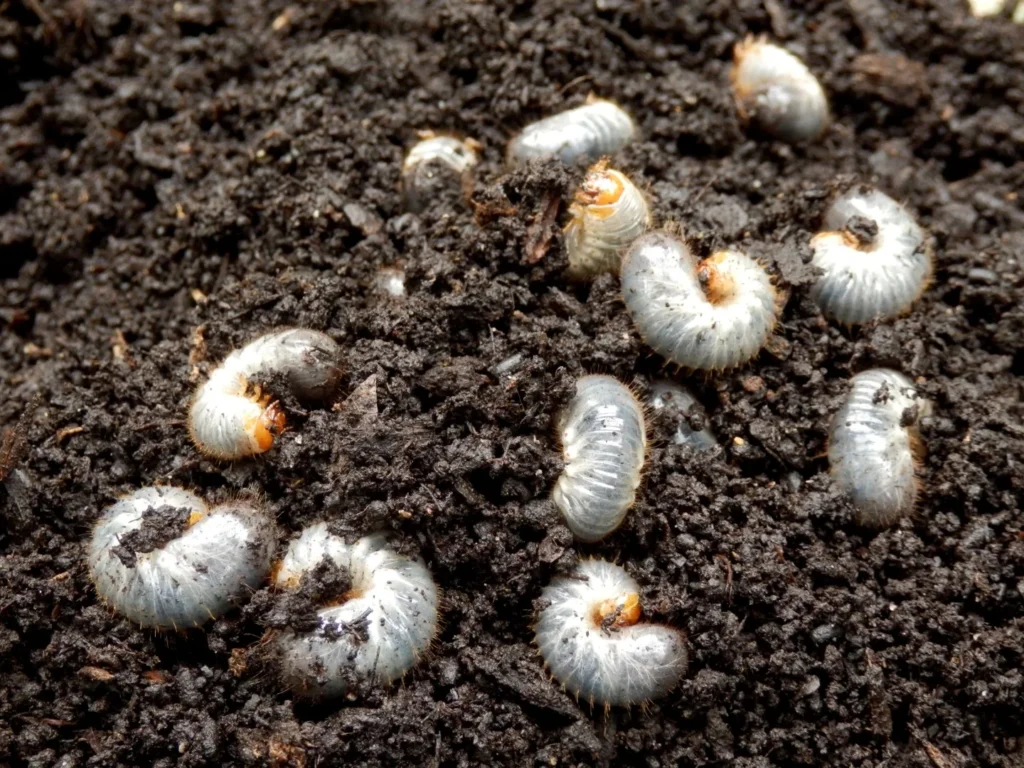
Here in New Hampshire, grubs and various insects are the spring pests we watch for most closely. Grass species like Kentucky bluegrass and tall fescue are especially vulnerable, so we keep a close eye on them and step in quickly when needed.
Understanding how these pests behave is what allows us to manage them effectively and keep your lawn from taking unnecessary damage.
Why Is Soil Testing Essential for Effective Late-Spring Lawn Fertilization?
Soil testing is where we start every effective late-spring fertilization plan. It gives us real data on nutrient levels, pH, and overall soil health, so we can tailor our approach to what your lawn actually needs.
With insights from our soil tests, we can recommend specific amendments to correct deficiencies — leading to stronger, healthier lawns that hold up to everything New Hampshire’s climate throws at them.
