
Summer Lawn Survival Guide: Spot, Prevent, and Treat Grubs, Fungus & Heat Damage
By Nick Makris, Groundhog Turf Care
Keeping a lawn green and healthy through hot summer months takes more than luck. Summer brings stressors — grubs chewing roots, fungal outbreaks in humid conditions, and mistakes in watering or mowing that make problems worse. Knowing how to spot trouble early and take the right steps can keep your turf thick, green, and resilient. This guide walks you through practical strategies for grub control, fungus treatment, and everyday maintenance to protect your lawn all season.
We’ll help you recognize warning signs, adopt simple preventive routines, and choose effective treatments when needed. Regular checks and the right maintenance schedule make it much easier to catch issues early and avoid costly repairs later.
Read on for straightforward, actionable advice on grub control, managing common fungal problems, and summer maintenance tips that actually work.
Expert Guide on Identifying and Preventing Summer Lawn Damage
Being proactive is the best defense against summer lawn problems. Heat and humidity can speed up pest activity and disease, so spotting early signs and acting quickly matters. Learn the common threats—like insect damage and fungal infections—and how to respond before small patches turn into widescale damage. With a few smart habits and timely interventions, your lawn can stay healthy and recover faster from stress.
Small changes in watering, mowing, and soil care go a long way. When the situation calls for it, professional help can make treatment more effective and save you time. If you’re unsure, a quick expert assessment can point you to the right plan.
Grub Control Strategies
Grubs are beetle larvae—think Japanese beetles, European chafers, and similar species—that feed on grass roots and weaken turf. Catching an infestation early prevents serious turf loss. Look for these common signs:
- Turf damage: Patches of brown or dying grass that lift easily, almost like a carpet.
- Wildlife activity: Raccoons, skunks, or birds digging in the lawn often follow grub populations.
- Soil disturbance: Bumpy, uneven areas or patches that look dug-up can indicate grub feeding below.
Once identified, you have several effective control options. Beneficial nematodes are a biological choice that targets grubs without harming your lawn. Keeping turf healthy through aeration, proper fertilization, and good cultural practices makes grass more resilient and less attractive to pests.
Methods for Fungus Treatment
Fungal diseases thrive in warm, wet conditions and can quickly create discolored or patchy turf. Knowing the common types helps you choose the right response:
- Brown patch: Circular brown areas often tied to overwatering or high humidity.
- Dollar spot: Small, bleached spots that can multiply under nutrient stress and moisture imbalance.
- Powdery mildew: A white, powdery coating on leaves that spreads when air circulation is poor.
Treat fungus with a mix of cultural and chemical options:
- Aeration: Improve airflow and soil drainage so turf dries faster and fungus struggles to establish.
- Fungicides: Use products matched to the specific fungus and follow label directions for timing and application.
- Preventive practices: Adjust watering to mornings, avoid watering foliage at night, and choose disease-resistant grass varieties when possible.
Best Practices for Lawn Maintenance
Good lawn maintenance routines are the backbone of a summer-ready lawn. These everyday habits strengthen turf and reduce the chance of major issues:
- Watering: Deep, infrequent watering in cooler parts of the day encourages deeper roots and better drought tolerance.
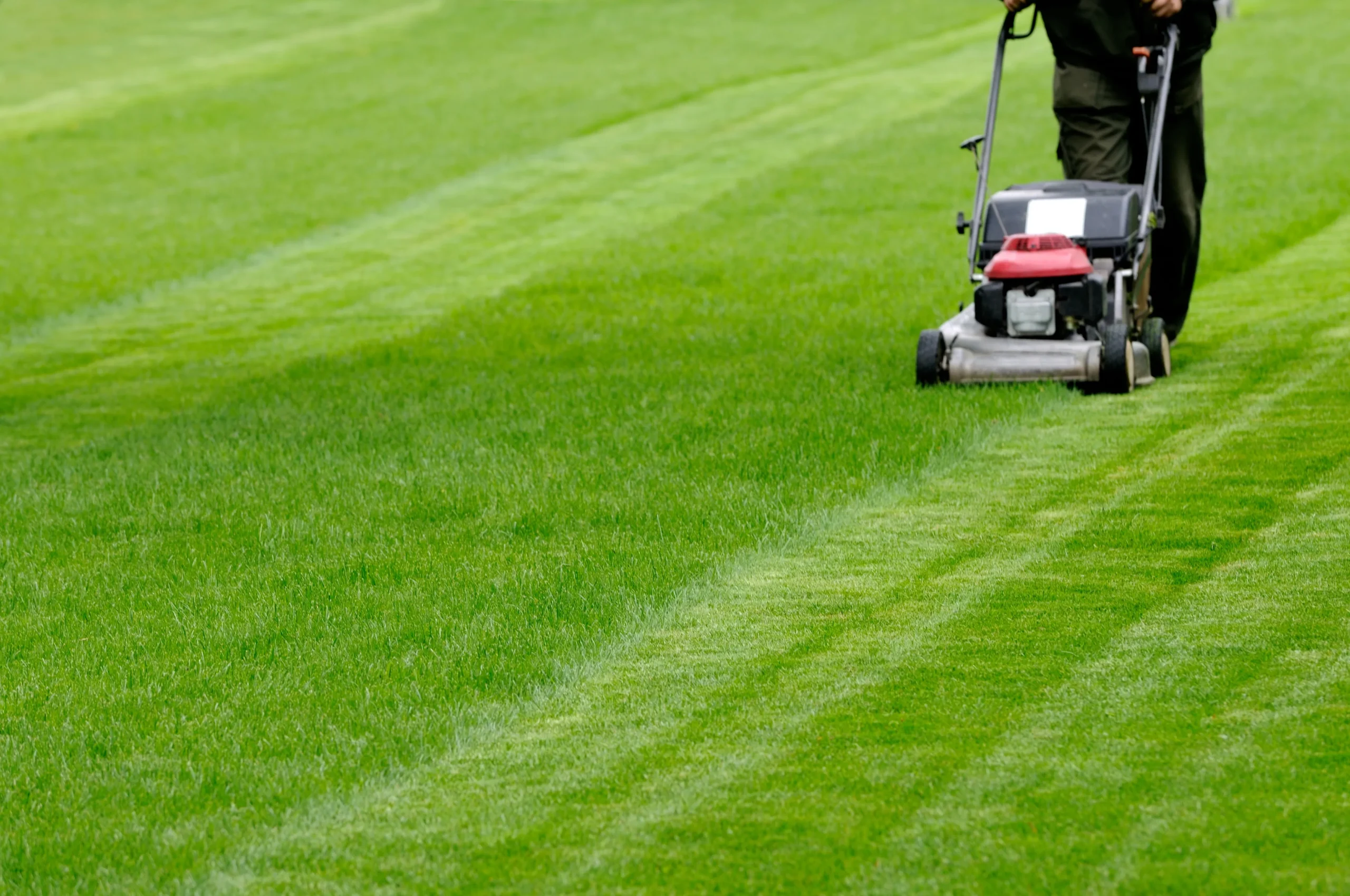
- Mowing: Keep blades at the recommended height—typically 2.5 to 4 inches for many turf types—to shade soil and promote healthy growth.
- Seasonal fertilization: Follow a tailored fertilization schedule and use slow-release formulas to support steady growth without overfeeding.
Stick to these basics and you’ll see improved appearance and resistance to pests and disease.
How Can Homeowners Identify Signs of Grub Damage on Turf in Summer?
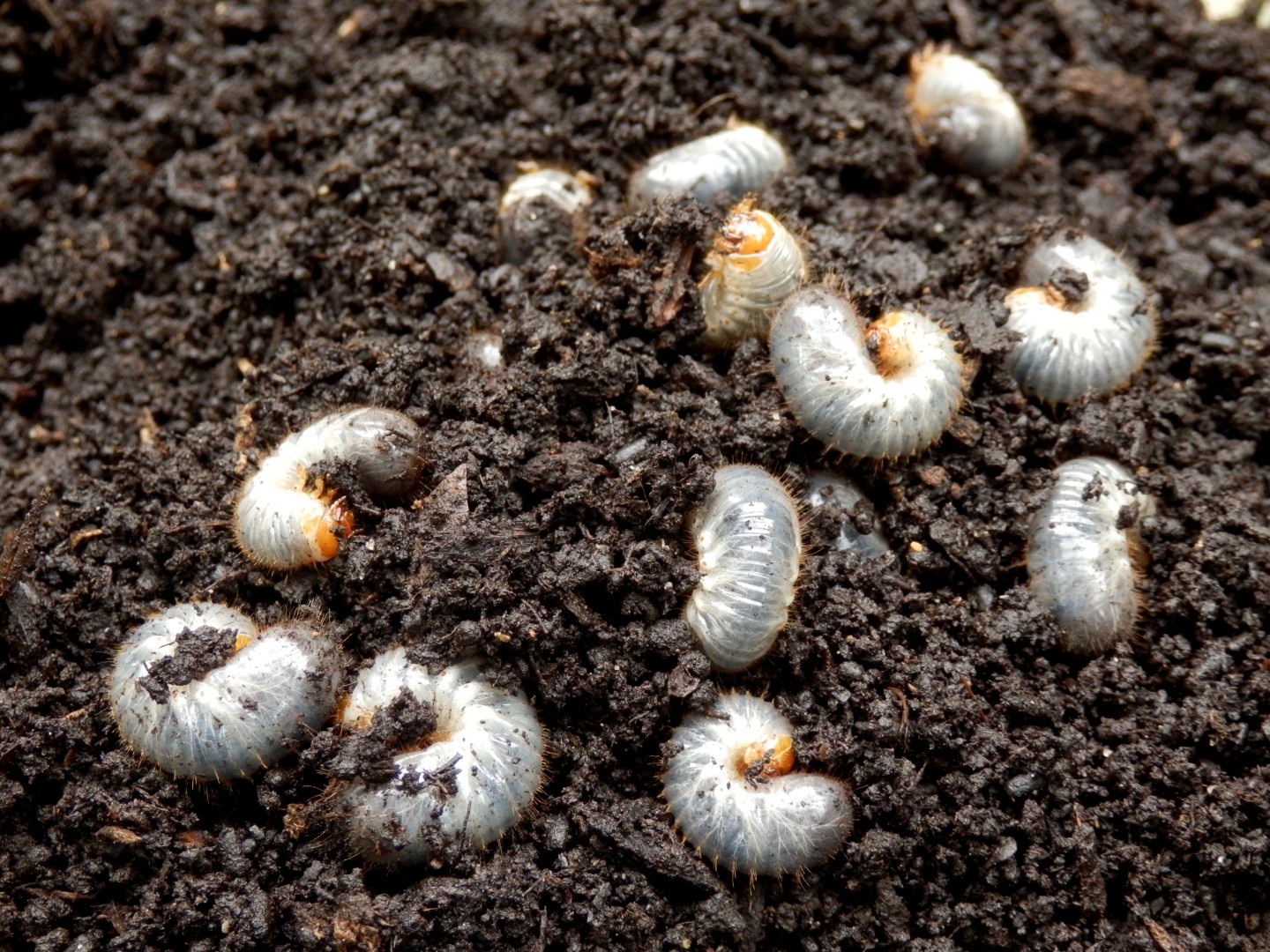
Early detection makes treatment simpler and more effective. Look for irregular brown patches, spongy turf, or wildlife digging. Lift a small section of sod in a suspect area—finding creamy C-shaped larvae in the soil confirms grub activity.
What Are the Common Symptoms of Lawn Grub Infestations?
Typical symptoms include wilted or brown patches that feel soft underfoot and roots that pull away easily. Checking beneath the turf is the fastest way to confirm grubs.
Which Grub Species Most Frequently Affect Summer Lawns?
Common offenders include the Japanese beetle, European chafer, and Asian garden beetle. Each species varies in seasonality and control options, so identification helps choose the right timing and method.
How Do Professional Grub Detection and Treatment Services Work?
Pros perform a diagnostic check, identify grub species and damage level, then recommend a tailored treatment plan – often combining cultural care with biological or chemical controls to stop the problem and prevent recurrence.
How Can Homeowners Diagnose and Treat Common Summer Lawn Fungus?
Diagnosis starts with symptoms and local conditions—moisture, shade, and recent care practices. Treat active infections with appropriate fungicides and correct cultural issues like overwatering or poor airflow to prevent future outbreaks.
Which Fungal Pathogens Commonly Affect Turfgrass in Summer?
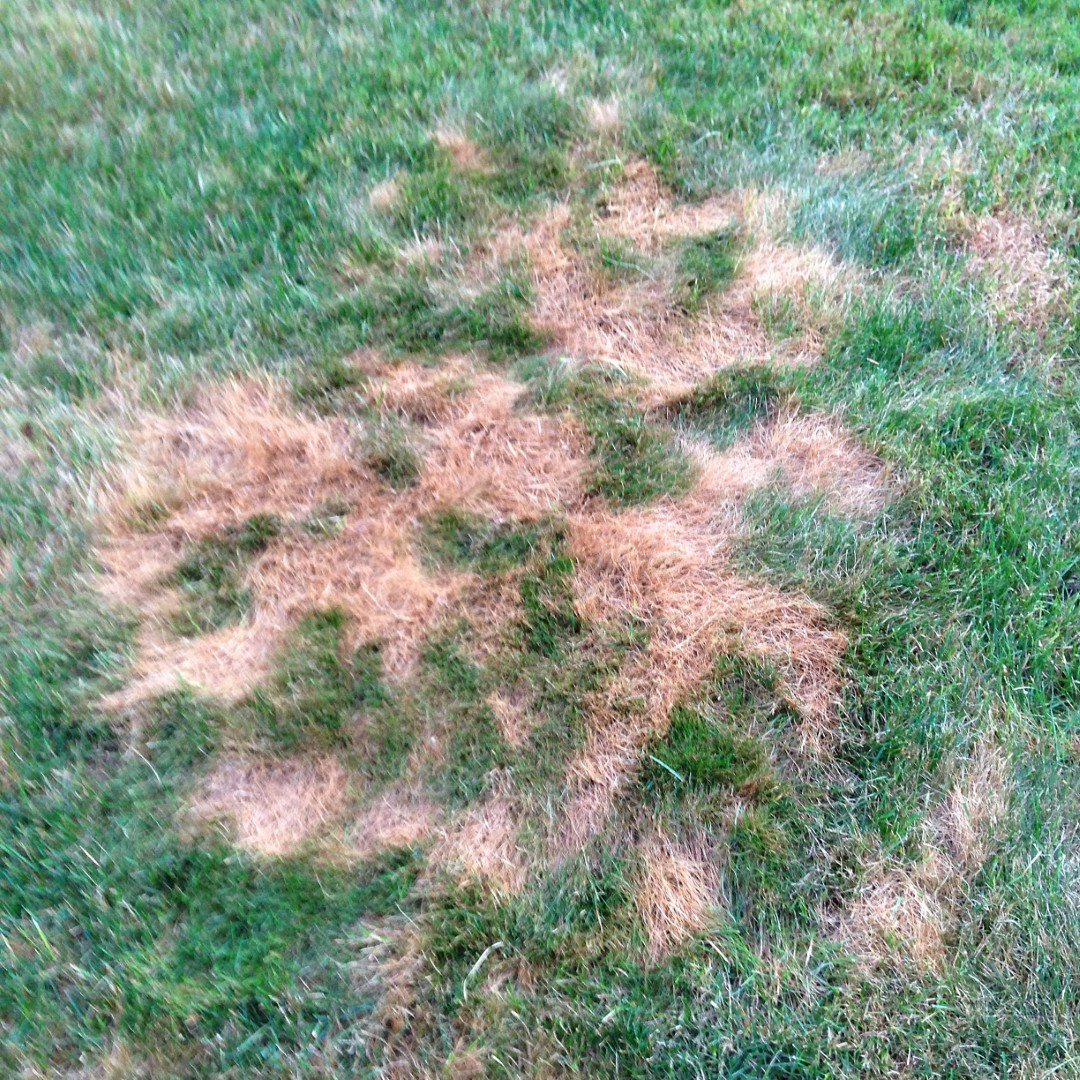
Brown patch (Rhizoctonia solani) and dollar spot (Sclerotinia homoeocarpa) are common summer pathogens. Each shows distinctive signs that help guide treatment choices.
What Treatment Options Are Available for Lawn Fungus in Hot Months?
Apply labeled fungicides at the first signs of disease and combine treatments with aeration, improved drainage, and adjusted mowing or watering habits to reduce conditions that favor fungal growth.
What Are Best Lawn Maintenance Practices to Prevent Summer Damage?
Regular inspection, proper watering, correct mower height, and following a seasonal fertilization plan are the foundation of prevention. Healthy turf resists pests and recovers faster from stress.
How Does Proper Irrigation and Mowing Influence Lawn Health?
Deep irrigation builds strong roots; shallow, frequent watering weakens them. Mowing at the right height shades soil, cuts down weed pressure, and helps retain moisture—avoiding scalping and stress keeps grass vigorous.
What Seasonal Fertilization Strategies Support Turf Resilience?
Use slow-release fertilizers and a schedule suited to your grass type. Balanced feeding during growing seasons helps turf withstand heat and recover from damage without encouraging unnecessary top growth.
How Do Chemical Treatment Options Compare in Summer Lawn Care?
Chemical treatments often deliver faster results for active, severe problems. Choose based on problem severity, timing, and your tolerance for chemical use.
When Is Chemical Treatment Preferred for Pest and Fungus Management?
When infestations are severe or widespread, or when rapid control is needed to protect the lawn, chemical treatments—applied according to label directions—can be the most effective choice.
Why Schedule Professional Lawn Care Services for Summer Pest and Fungus Prevention?
Professionals bring diagnostic experience, proper equipment, and treatment timing knowledge. Their plans reduce guesswork and help stop problems before they spread, saving you time and often money in the long run.
How Do Expert Diagnostics Enhance Lawn Treatments?
Expert diagnostics identify the root causes—species, soil conditions, and care errors—so treatments are targeted and more likely to succeed. That leads to better outcomes and fewer repeat problems.
What Should Homeowners Expect When Booking Lawn Maintenance Services?
Expect a full assessment, a clear treatment or maintenance plan, and recommendations tailored to your lawn’s needs. Many services include scheduled follow-ups to maintain long-term health.
What Are Effective Strategies to Prevent Lawn Pests During Hot Summer Months?
Keep turf dense and healthy with proper watering, mowing, and fertilizing. Monitor regularly for early signs of pests, and use biological controls or timed treatments as needed to keep populations low.
Which Preventive Measures Limit Grub and Beetle Infestations?
Aerate compacted soil, maintain thick grass coverage, and use beneficial nematodes or other preventative products when risk is high. Healthy soil and turf make a big difference.
How Can Homeowners Monitor Lawn Health for Early Pest Detection?
Walk the lawn weekly during peak season. Look for thinning areas, unusual discoloration, or wildlife digging. Test small suspect areas by lifting a patch of sod to check roots and soil.
How Does Climate Influence Summer Lawn Pest and Fungus Challenges?
Warmer, wetter weather generally increases pest activity and disease risk. Dry, hot spells stress turf and make it more vulnerable. Adapting practices to local climate patterns helps reduce risk.
How Should Lawn Care Strategies Adapt to Changing Environmental Conditions?
Choose drought-tolerant grass varieties, adjust watering schedules, and be ready to shift fertilizer and pest management plans based on seasonal trends. Staying flexible and observant helps your lawn thrive despite changing conditions.
