
At Groundhog Turf Care, we know that effective broadleaf weed control is one of the most important pieces of a healthy New Hampshire lawn. Our state’s specific seasonal conditions create the perfect environment for weeds like dandelions and crabgrass to take hold, and getting the timing right makes all the difference. In this guide, we’ll walk you through the best times to apply herbicides, how New Hampshire’s climate shapes weed growth, and the treatments we recommend. By the end, you’ll have a clear picture of how to keep your lawn weed-free all year long — from the best seasons for treatment, to how our local climate affects growth cycles, to the customized plans we build for our clients.
What Are the Optimal Seasons for Broadleaf Weed Control in New Hampshire?
We typically recommend early spring and fall as the best windows for broadleaf weed control in New Hampshire. Weeds are actively growing during these seasons, which means they absorb herbicides much more effectively. We like to schedule spring applications from mid-April to early May, once soil temperatures start climbing and annual weeds begin to germinate. Fall treatments, on the other hand, work best from late September to mid-October — this is when perennial weeds are pulling energy down into their roots to survive winter, making them especially vulnerable to herbicide.
Timing is only part of the picture. Understanding how different weed species grow and spread helps us fine-tune every treatment. Broadleaf weeds tend to emerge right after rainfall, so we pay close attention to weather patterns when scheduling applications. It’s this kind of tailored scheduling — built around your lawn and our local conditions — that helps our clients get consistent results.
We’ve also found that combining strategies works far better than relying on herbicides alone. Pairing biological, physical, and cultural practices with targeted chemical treatments gives us much stronger, longer-lasting control than a single-method approach ever could — especially against stubborn, short-lived perennial weeds.
How Does New Hampshire’s Climate Affect Broadleaf Weed Growth Cycles?
New Hampshire’s climate plays a huge role in how broadleaf weeds grow and spread throughout the year. Spring brings warmer temperatures and more moisture, which is exactly what weeds like dandelions and plantain need to get going. Because these weeds take full advantage of spring rains, we make sure herbicide applications are timed carefully during this stretch. Watching seasonal weather patterns closely helps us know exactly when to step in for the best results.
Summer heat can slow some broadleaf weed activity, but it also stresses turfgrass — and stressed turf gives weeds room to move in. Fall brings another strong opportunity for control, as temperatures cool and rainfall picks back up. Weeds start storing energy in their roots at this point, which makes them far more susceptible to herbicide. We keep a close eye on current conditions so we can time every application for maximum effectiveness.
When Should Herbicide Applications Be Scheduled Throughout the Year?
Here’s the general schedule we follow for New Hampshire lawns:
Early Spring (mid-April – early May): We apply pre-emergent herbicides to stop annual broadleaf weeds before they can germinate.
Late Spring (late May – June): Post-emergent herbicides target any weeds that have already emerged, and we keep monitoring growth after the initial treatment.
Fall (late September – mid-October): We treat perennial broadleaf weeds while they’re still actively growing, before they go dormant for the winter.
We always adjust this schedule based on your lawn’s specific conditions and any weed issues we’ve seen in the past. That’s why we recommend a professional consultation — it lets us build a timing plan that actually fits your property.
Which Herbicides Are Most Effective for Broadleaf Weed Control in NH?
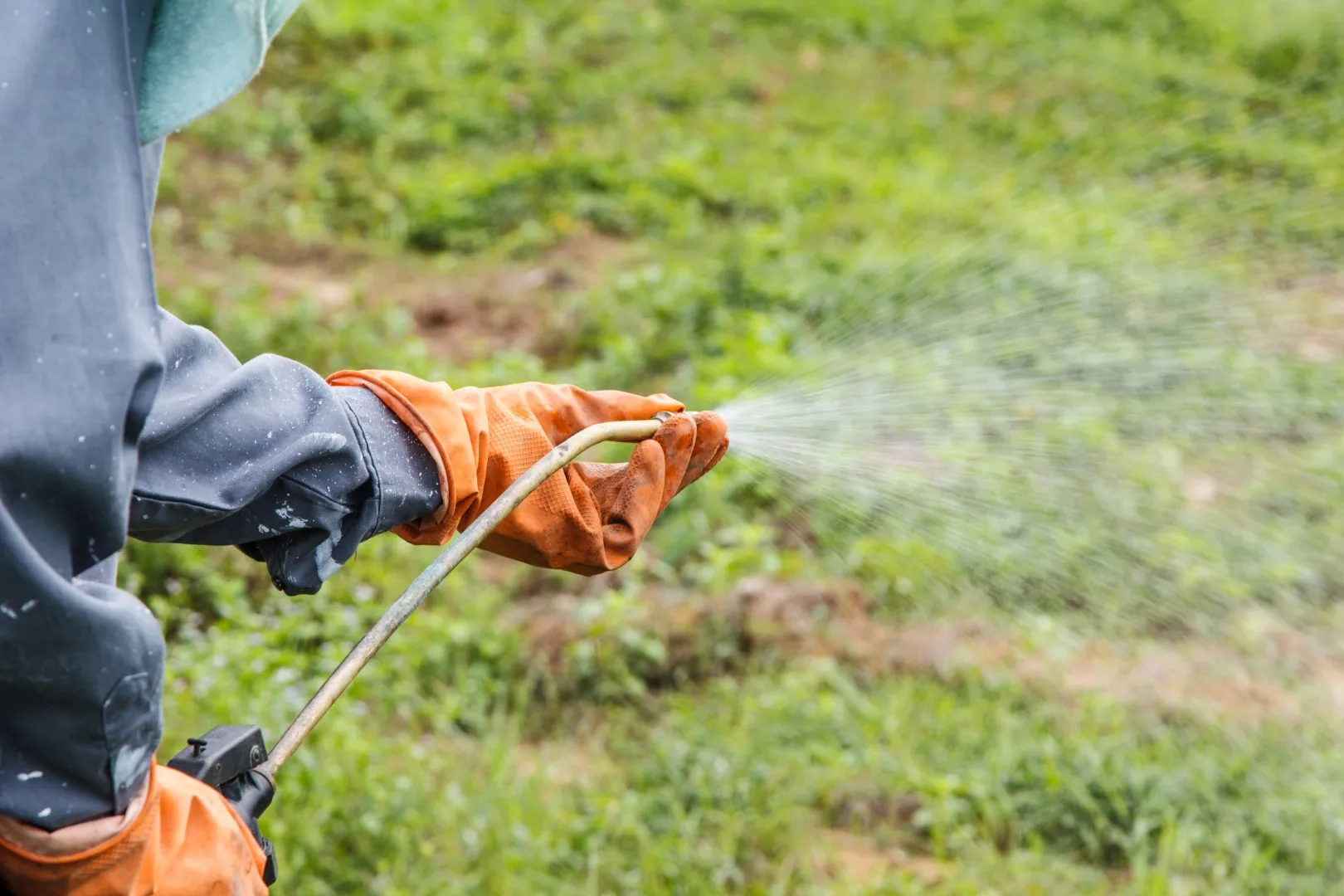
We rely on a handful of herbicides that have proven especially effective for broadleaf weeds here in New Hampshire:
2,4-D: A strong choice against dandelions and clover, and effective in both pre-emergent and post-emergent applications.
Dicamba: Works well on harder-to-kill weeds like thistles, and performs best when applied during warmer conditions in the growing season.
MCPP (Mecoprop): Often paired with other products to target a wide range of broadleaf weeds while staying safe for most turfgrasses.
We’ll help you determine which herbicide — or combination of herbicides — makes the most sense for your lawn’s specific conditions, often blending products together for the most complete weed control.
How Can Lawn Treatment Schedules in New Hampshire Maximize Weed Control Success?
A detailed, well-timed treatment schedule is the key to long-term weed control success. Here’s what we focus on:
Early Detection: We inspect lawns regularly so we can catch emerging weeds before populations get out of hand.
Tailored Applications: We choose herbicides and timing based on the specific weed species present on your lawn.
Follow-Up Treatments: We schedule additional applications when needed — for example, if rain washes away a treatment or new weeds pop up.
Our custom scheduling approach is designed to keep your lawn healthy and give weeds as little room to compete as possible.
What Is the Recommended Seasonal Lawn Care Calendar for NH Lawns?
Here’s the month-by-month calendar we generally follow for New Hampshire lawns:
March: Assess how the lawn came through winter and start preparing for spring treatments.
April: Apply pre-emergent herbicides, then follow with fertilization as the soil warms.
May to June: Watch for emerging weeds and apply post-emergent herbicides as needed.
July: Focus on watering and maintaining turf health, and hold off on heavy fertilization during heat stress.
August: Start planning for fall weed control and any overseeding.
September to mid-October: Target perennial weeds with post-emergent herbicides and get the lawn ready for winter.
Think of this calendar as a starting point — we tailor it further based on your lawn’s specific conditions and needs.
How Should Treatments Be Adjusted Based on Turfgrass Species and Conditions?
The type of turfgrass on your lawn — and the conditions it’s growing in — shapes how we approach every treatment. Different grasses tolerate herbicides differently, so we adjust accordingly. For example:
Cool-season grasses like Kentucky Bluegrass germinate slowly throughout the growing season fall. Eliminating weed competition helps this turfgrass become established.
We also factor in soil health and moisture levels, since both influence how well a treatment works. Working with us means every herbicide choice and application method is matched to your lawn’s specific turfgrass needs.
What Are Proven Strategies for Preventing and Removing Broadleaf Weeds in NH Lawns?
Preventing and removing broadleaf weeds takes more than a single treatment — it takes a full approach:
Cultural Practices: Proper mowing, watering, and fertilization keep turf healthy and make it harder for weeds to establish.
Regular Aeration: Aerating improves root growth and helps herbicide treatments work more effectively by improving overall soil conditions.
Integrated Pest Management: We combine mechanical, cultural, and chemical controls for the most complete weed management.
Our tailored programs are built to reduce broadleaf weeds while keeping the overall health of your lawn front and center.
We’ve found the most resilient, deep-rooted perennial weeds respond best when we combine several of these management techniques rather than leaning on just one.
How to Achieve Effective Dandelion Removal Through Integrated Pest Management?
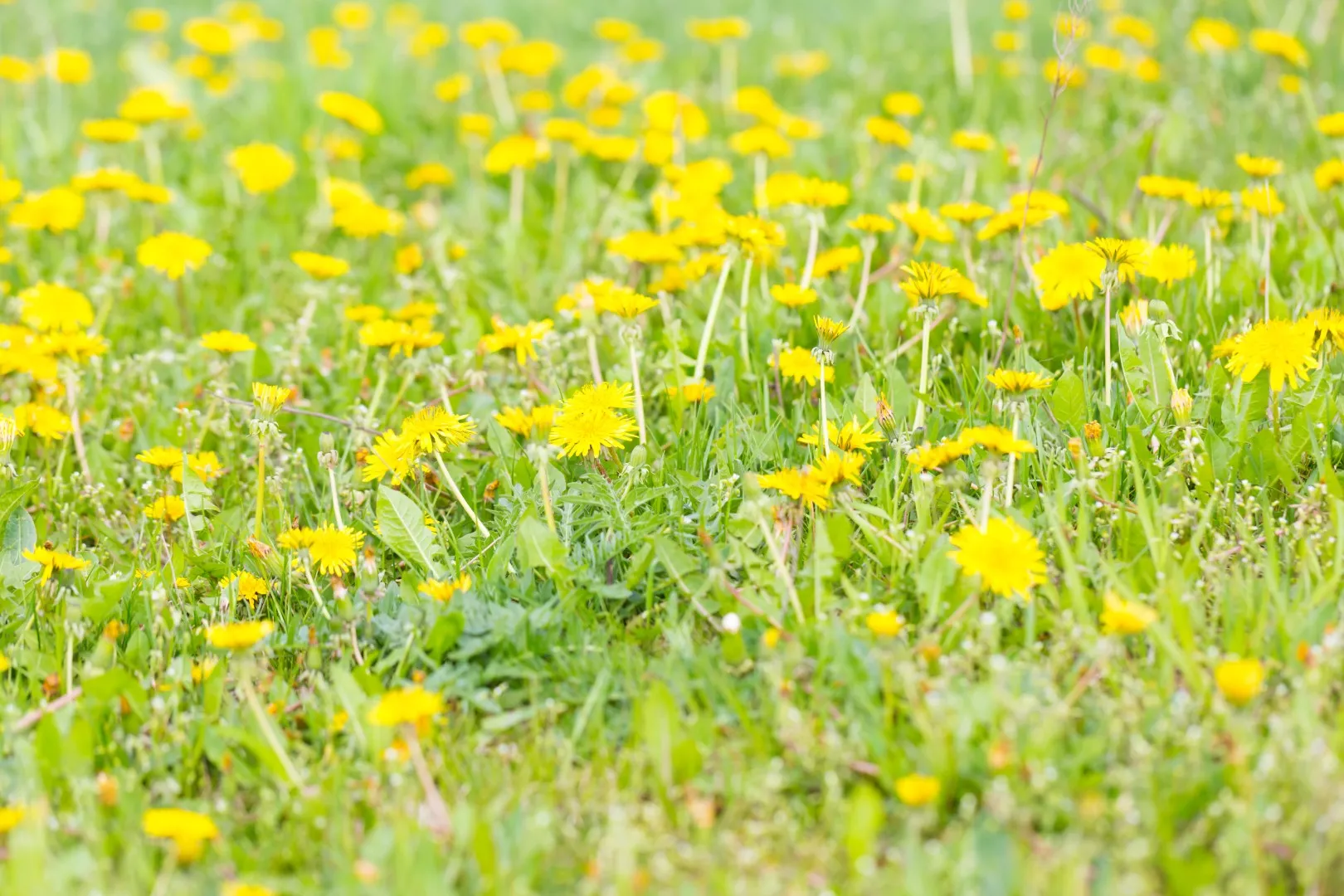
Dandelions are a particular challenge because of their deep roots and fast growth, but we’ve had strong results combining a few different approaches:
Herbicide Applications: We apply targeted broadleaf herbicides during peak growth periods to ensure good uptake.
Maintain Lawn Health: A thick, healthy lawn naturally resists weeds, so ongoing care matters just as much as any single treatment.
We build our dandelion control services around these integrated principles, so you get both immediate results and long-term lawn health.
Why Should Homeowners in NH Consider Professional Broadleaf Weed Control Services?
There are real advantages to letting us handle broadleaf weed control for you:
Expertise: We understand the specific weed pressures New Hampshire lawns face and tailor treatments accordingly.
Time-Saving: You get your time back without sacrificing the quality of your lawn.
Customized Lawn Plans: We build maintenance schedules around your lawn’s specific conditions, timing every treatment for the best results.
We specialize in reliable, seasonally optimized weed control that keeps New Hampshire lawns healthy and weed-free.
What Are the Benefits of Customized Lawn Care Programs by Experts?
A custom lawn care program brings several real benefits:
Tailored Treatments: Protocols built specifically around your property’s challenges.
Enhanced Lawn Health: Ongoing assessment and adjustments keep your lawn resilient against pests and disease.
Cost-Effectiveness: Catching problems early through professional care helps you avoid bigger, costlier issues down the road.
Our personalized lawn care solutions are focused on your lawn’s long-term health, not just a quick fix.
How Do Local Specialists Ensure Reliable and Seasonally Optimized Weed Control?
Our deep knowledge of New Hampshire landscapes and weather patterns is what lets us deliver consistent, effective weed control. We do this by:
Monitoring Local Conditions: We adapt our strategies to current weather so treatments land at exactly the right time.
Understanding Regional Weed Profiles: Knowing which weeds are common in this area lets us apply the most effective control measures.
Implementing Timely Interventions: Seasonal scheduling means treatments happen when they’ll do the most good for both your turf and your weed problem.
That local, hands-on expertise is what makes our chemical and cultural treatments work as well as they do.
What Are Common Questions About Timing and Application of Broadleaf Weed Control in NH?
We hear a lot of the same questions from homeowners, so here are a few we’re asked most often:
When is the best time to apply herbicides? Early spring and fall are typically best. Early applications prevent annual weeds, while fall treatments target perennials.
How long does it take for herbicides to show results? It varies by product, but most show effects within 24-48 hours of application.
Can I seed my lawn after applying herbicides? Yes, but timing matters — we follow the herbicide label’s recommendations, which usually call for several weeks between application and seeding.
If you have more questions, we’re always happy to walk you through the details of your lawn care plan.
When Is the Best Month to Apply Broadleaf Weed Control Products in New Hampshire?
We generally point to April as the best month for broadleaf weed control in New Hampshire. This is when many annual weeds are in their budding stage, making them especially vulnerable to herbicide. Getting to them early prevents these weeds from establishing and competing with your turfgrass later in the season.
How Long Does It Take for Herbicides to Show Results on Broadleaf Weeds?
Most broadleaf herbicides we use show visible results within 24-48 hours, though soil moisture, temperature, and the specific product all play a role in that timeframe. We also recommend a bit of post-application care — holding off on mowing for a few days and making sure the soil has adequate moisture — to help the treatment work as effectively as possible.
