

Effective Tick Treatment and Prevention for Derry Lawns
Ticks present measurable health hazards to people and companion animals, so effective control and prevention are essential for Derry property owners. This article explains tick biology, associated health risks, available control services, and preventative measures. It also outlines how professional intervention reduces exposure and maintains a low-risk outdoor environment year-round. With this information, property owners can make evidence-based choices to protect family and pets from tick-borne disease.
Local conditions in Derry — including wooded lots, nearby brush, and variable microclimates — influence how and where ticks establish. Understanding the connection between landscape features and tick presence helps homeowners target interventions that reduce human and pet encounters while preserving desirable habitat and pollinator resources.
What Are the Risks of Tick Infestations on Derry Properties?
Tick infestations can transmit Lyme disease and other vector-borne illnesses. These ectoparasites colonize wooded edges, tall grass, and leaf litter, making lawns and landscaped areas vulnerable. Ticks threaten both human health and animal welfare, as they can carry pathogens that affect pets as well as people.
Beyond the immediate concern of pathogen transmission, tick activity can alter how residents use outdoor spaces. Families may avoid certain yard areas, homeowners may change landscaping choices, and pet owners can incur additional veterinary costs. Addressing tick presence early can reduce long-term disruption to outdoor living and recreation.
How Do Tick Populations Affect Residential and Commercial Lawns?
Ticks concentrate in dense vegetation where they quest for hosts. Derry’s local habitats create suitable conditions for several tick species, increasing encounter rates with people and pets. Because untreated tick bites can lead to complications such as Lyme disease, implementing effective control measures is necessary to preserve safe outdoor spaces.
Specific property features frequently associated with higher tick population include wooded lot lines, stone walls, brush piles, dense ornamental plantings, and areas with heavy wildlife activity (for example, where deer or small mammals travel). Identifying these hotspots during an inspection lets providers apply focused treatments rather than broad, unnecessary applications.
Research emphasizes the importance of household-level tick control in reducing Lyme disease risk, particularly in residential yards where many human–tick encounters occur.
Residential Tick Control: DIY Pesticides for Lyme Prevention
Lyme disease is the most common vector-borne disease in the United States with hotspots in the Northeast and Midwest. Integrated vector control for mosquito-borne disease prevention is often organized at the community level, but tick control is primarily coordinated at the household and individual level. Management of the blacklegged tick, Ixodes scapularis (Say), the vector of the causative agent of Lyme disease in the Midwest and eastern United States in peridomestic environments may be critical as many tick encounters are reported to occur in the yard.
Do-It-Yourself Tick Control: Granular Gamma-Cyhalothrin Reduces Ixodes scapularis (Acari: Ixodidae)
Nymphs in Residential Backyards, GM Bron, 2021
Which Effective Tick Control Services Are Available Near Me in Derry?
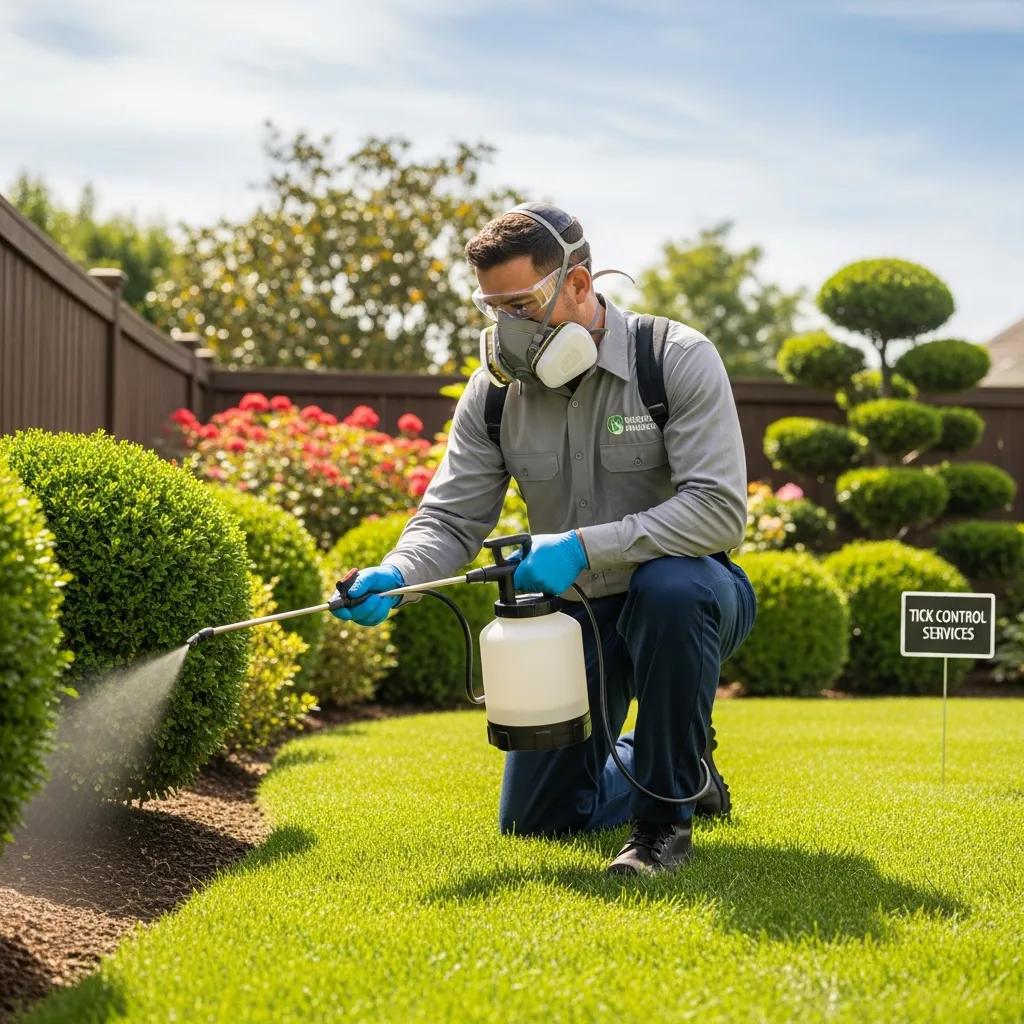
Providers offer comprehensive treatment plans that are adapted to property layout, vegetation, and tick population to achieve consistent population reduction and long‑term protection. Efficacy depends largely on the tick control equipment being used and the skill level of the technician applying it.
Typical treatment programs available through local providers are designed to balance efficacy and minimal environmental impact. Core elements often include an initial assessment, perimeter barrier treatments, targeted applications to dense vegetation and leaf litter, and scheduled follow-up visits timed to local tick activity. At Groundhog Turf Care, we also offer optional add-ons such as shrub and tree treatments and nutrition-based lawn care as the perfect compliment to tick control services.
For property owners weighing options, consider asking providers about: a detailed inspection report, evidence of product registration (EPA registration where applicable), specific target zones on the property, re-entry and pet-safety guidance, and the expected length of residual activity for applied materials. These details clarify what to expect and support a safe, effective program choice.
Recent surveys of commercial tick control services provide data on primary control methods, acaricide classes in use, and typical application costs for residential properties.
What Customized Treatment Plans Does Groundhog Turf Care Offer?
Groundhog Turf Care does not offer tiered programs specifically for tick and mosquito control. Instead, the company provides Standard and Estate tier programs for lawn care. All yard pest control companies are required by law to apply a specific amount of material per acre. Customization occurs when technicians target different areas of the property based on the tick life cycle or the season, ensuring treatments are effective and appropriately timed.
This approach allows for precise targeting of tick populations in various zones, adapting to seasonal changes and life stage vulnerabilities rather than offering fixed tiered pest control packages. The focus is on delivering tailored interventions within the framework of legal application limits and best practices for integrated pest management.
How Often Should Lawn Tick Treatments Be Applied for Optimal Results?
Optimal control typically requires scheduled applications throughout peak tick activity. In New Hampshire, that generally means monthly treatments from late spring through early fall. An initial application reduces existing populations; follow-up visits maintain residual protection and limit re-establishment.
Providers often tailor frequency based on observed tick population and property use. For example, heavily wooded properties with consistent wildlife traffic may require more frequent attention or a combination of treatments and habitat modifications. Conversely, properties with low tick activity can sometimes be managed successfully with an initial series followed by monitoring and selective follow-ups.
What Are the Best Tick Prevention Methods for Yards in Derry?
Preventing tick establishment requires multiple measures: regular mowing, removal of leaf litter and brush, short turf in high-use areas, and physical barriers between wooded zones and recreational spaces. Combining these cultural practices with scheduled treatments reduces tick habitat and human exposure.
Concrete, practical steps that homeowners can implement include: resources.
- Create a 3–6 foot maintained buffer between wooded areas and lawns by removing brush and leaf litter along the edge.
- Keep play equipment, patios, and outdoor seating away from woodlines and dense plantings.
- Store wood piles in dry, elevated locations and away from the home and play areas; rotate or remove unused materials that provide small-mammal habitat.
- Manage rodent and deer attractants: secure trash, remove fallen fruit, and limit birdfeeders near frequently used yard spaces (these can draw small mammals that carry ticks).
These cultural controls do not replace professional treatments but significantly reduce habitat suitability, making applied controls more effective and potentially reducing application frequency over time.
How Does Integrated Pest Management Enhance Tick Control?
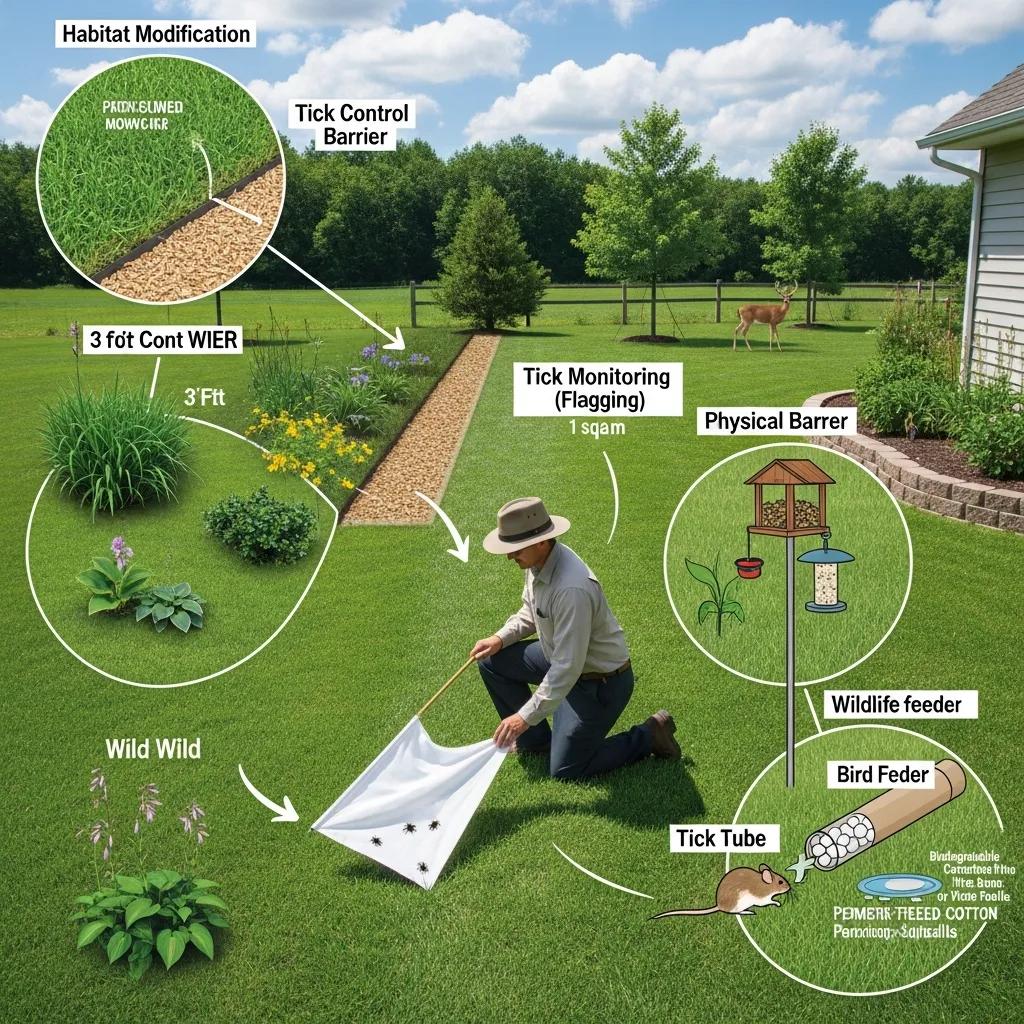
Integrated Pest Management (IPM) uses monitoring, targeted interventions, and non‑chemical options alongside selective insecticides to control tick populations while minimising environmental impact. This structured approach improves long‑term efficacy and reduces reliance on single interventions.
IPM for ticks typically follows a cycle: inspect and map the property, identify hotspots and host pathways, apply the least disruptive effective treatments, and reassess outcomes. Monitoring may include periodic visual inspections and targeted sampling in high-risk zones so that subsequent actions are data-driven rather than reactive.
Scientific literature supports integrated, multi-faceted strategies rather than isolated measures to achieve sustained reductions in tick abundance and disease risk.
Integrated Tick Management for Disease Prevention
The increasing prevalence of Lyme disease and the emergence of other tick-associated human diseases in the United States have become a major public health concern. A wide variety of personal protection measures and tick control strategies have been used or investigated to reduce contact between ticks and humans, reduce tick abundance, or lower the prevalence of tick-borne agents in the ticks. These methods have generally been applied or evaluated as single interventions and other than some early computer model simulations, studies applying integrated tick management approaches are few.
Integrated pest management in controlling ticks and tick-associated diseases, SC Williams, 2017
What Safety Measures Ensure Pet and Environmental Protection During Tick Spray Applications?
Safety protocols prioritise pets and the environment. Groundhog Turf Care selects plant‑based formulations where appropriate and uses calibrated spray equipment to reduce overspray and concentrate product on target vegetation, thereby minimising non‑target exposure.
Before application, technicians review product labels and client preferences, post clear re-entry and pet-safety instructions, and collect information about on-property beehives, pollinator plantings, or sensitive areas. After treatments, staff provide practical timelines for when it is safe to re-enter treated zones with people, children, and pets and outline any temporary restrictions for watering or mulching.
How Does Tick Extermination Work on Lawns?
Extermination follows a systematic protocol: assess tick population, apply appropriate insecticidal products to targeted zones, and implement habitat modifications to lower future risk. This combination addresses both current infestations and the conditions that allow ticks to persist.
A typical service visit includes an initial walk-through to identify tick habitat and host pathways, explanation of product choices and expected outcomes, treatment of prioritized areas, and a post-service report summarizing actions taken. Follow-up visits evaluate the program’s performance and adjust tactics as necessary to maintain control while minimising chemical inputs.
What Chemicals and Techniques Are Used in Tick Spray for Lawns?
Groundhog Turf Care utilises a proprietary blend of plant‑based materials alongside EPA‑registered insecticides formulated to affect ticks at multiple life stages. Applications rely on contact and residual activity, and technicians apply products to minimize exposure to non‑target organisms.
Application techniques emphasize targeted coverage: treating the leaf litter, shrub bases, and lower vegetation where ticks quest; applying perimeter barrier sprays along woodlines; and using spot treatments to address identified hotspots. Technicians adjust spray volumes and nozzles to improve deposition on target vegetation and avoid excess run-off.
How Is the Tick Lifecycle Targeted to Maximize Extermination Effectiveness?
Effective control depends on timing treatments to life stages with the highest impact, particularly nymphs and adults. Understanding the tick life cycle allows technicians to schedule interventions when they will most reduce population recruitment and disease transmission risk.
Practically, this means scheduling an initial pre-season visit to reduce overwintering adults and early-spring nymphs, followed by maintenance applications during nymphal peaks. In many programs, a fall treatment is scheduled to reduce adults and limit overwintering survival. Coordinating timing with local phenology and weather patterns increases the chance of interrupting life-stage progression.
What Do Derry Property Owners Say About Tick Control Services?
Customer feedback is a key measure of program performance. Many Derry property owners report measurable reductions in ticks after professional treatments and note improved confidence in outdoor safety for family and pets.
When evaluating services, homeowners often cite responsiveness, clear communication, and visible changes in yard usability as primary indicators of value. Successful programs typically combine straightforward documentation, accessible customer support, and measurable follow-up visits that confirm reduced tick presence in previously problematic zones.
Which Case Studies Demonstrate Proven Results of Tick Control Programs?
Case studies from treated properties document significant tick population declines and reduced human and pet exposure. These controlled examples demonstrate the practical outcomes of integrated treatment plans and targeted applications.
While individual results vary, well-documented examples typically show a reduction in the number of ticks found during post-treatment checks, fewer bites reported by residents and pets, and improved use of outdoor living spaces. Providers usually summarize these results using pre- and post-treatment observations rather than absolute counts, which helps homeowners appreciate real-world improvements.
How Can Customers Request Quotes and Schedule Appointments?
To request a quote or schedule service, contact Groundhog Turf Care at (603) 505-8587. Providing basic property details—lot size, vegetation types, and known tick locations—helps the team prepare a tailored treatment proposal.
For a more accurate estimate, consider sharing photos of the yard and common activity areas, noting known wildlife corridors, and indicating any sensitive zones (gardens, play areas, pollinator plantings). An on-site inspection remains the most reliable way to finalize a scope of work and identify cost drivers such as difficult access, extensive woodlines, or large acreage.
When Is the Best Time to Schedule Tick Prevention Treatments in Derry?
Scheduling is seasonal: treatments are most effective when applied before and during periods of peak activity. Planning visits in advance ensures applications coincide with the life stages that drive local tick populations.
Early scheduling also helps integrate cultural controls with chemical interventions. For example, fall leaf cleanup and targeted mulching can be coordinated with a late-season treatment to reduce overwintering survival. Advance planning typically results in better alignment with technician availability and improved timing relative to local weather patterns.
How Do Seasonal Changes Affect Tick Activity and Treatment Scheduling?
Ticks become most active in warm months—typically late spring through early fall in this region. Rising temperatures increase questing behaviour, so pre‑season and routine applications reduce encounter risk during peak periods.
Seasonal shifts also affect where ticks concentrate on the property. During hot, dry spells they retreat to moist, shaded microhabitats such as leaf litter, dense shrubs, and shaded mulch beds. Recognizing these seasonal shifts allows technicians to focus treatments where ticks are most likely to persist between host-seeking periods.
What Are Recommended Treatment Frequencies Throughout the Year?
For sustained control, schedule treatments at least monthly during the active season. A targeted fall treatment can further reduce overwintering populations and lower spring emergence the following year.
Frequency recommendations can be refined after the first season of treatment: if monitoring shows consistently low tick activity, visits can sometimes be spaced further apart and combined with enhanced cultural controls. Conversely, persistent hotspots identified during follow-up visits may require more intensive or more frequent attention until control is achieved.
How Does Groundhog Turf Care Ensure Expertise and Reliability in Tick Control?
Groundhog Turf Care emphasises technical competence and consistent service delivery. Their programs combine trained staff, documented procedures, and quality controls to deliver reliable tick suppression for Derry properties.
Service consistency is supported by standard operating procedures for inspections, product selection, application technique, and post-service reporting. This documentation helps ensure that treatments are repeatable across visits and that any adjustments are recorded and justified based on observed outcomes.
What Certifications and Training Do Our Lawn Care Specialists Hold?
Technicians hold relevant certifications and participate in regular training on pest biology, product safety, and application techniques. Ongoing professional development keeps the team aligned with current best practices and regulatory standards.
Typical credentials include state pesticide applicator licensure where required, manufacturer-sponsored product training, and continuing education in integrated pest management and safety protocols. These qualifications help technicians make informed, label-compliant choices and provide clients with transparent, accountable service.
How Does Localized Knowledge Improve Treatment Effectiveness in Derry?
Local environmental knowledge informs treatment placement and timing. Groundhog Turf Care adapts protocols to Derry’s specific vegetation patterns and microclimates to optimise control outcomes for each property.
Experience with local wildlife patterns, typical yard layouts, and neighborhood-level risk factors enables technicians to anticipate common infestation pathways and suggest practical landscape adjustments that reduce long-term tick population. This localized insight streamlines interventions and often leads to better, more sustainable results than one-size-fits-all programs.
What Environmental and Health Considerations Are Addressed in Tick Control Programs?
Environmental and health safeguards guide product selection and application methods. Groundhog Turf Care prioritises effective materials with reduced non‑target risk and integrates cultural practices to support lawn health and biodiversity.
When possible, providers select products with lower environmental persistence for use near pollinator plantings and water features, and they enforce buffer zones around sensitive areas. Combining reduced-risk products with precise application techniques lowers overall chemical load while maintaining protective benefits for people and pets.
How Are Safety Protocols Implemented to Protect Families and Pets?
Safety protocols include the use of low‑toxicity products where appropriate, clear post‑application re‑entry instructions, and precision application methods. These measures protect household members and companion animals while maintaining treatment efficacy.
Clients are given simple, actionable instructions such as keeping children and pets away from treated areas until surfaces have dried, avoiding lawn watering for a specified period, and storing pet food and water bowls away from treatment zones. Technicians also note conditions that may call for delayed application, such as heavy rainfall or nearby outdoor events.
What Measures Minimize Environmental Impact During Tick Treatments?
Measures to reduce environmental impact include selecting plant‑based options when suitable, applying treatments only to target zones, and promoting cultural controls such as debris removal and turf maintenance to reduce future pesticide dependence.
Precision application tools, calibrated equipment, and trained personnel reduce the chance of drift or run-off. Providers also advise on non-chemical strategies that reduce habitat suitability over time so that reliance on chemical controls can be lessened as the property improves.
Frequently Asked Questions
What are the signs of a tick infestation in my yard?
Indicators include finding ticks on people or pets after outdoor activity, increased pet scratching, and locating ticks in pet areas or tall grass. Discovering dead ticks or a rise in reported tick bites among household members also suggests a localized problem. Regular inspections of vegetation and leaf litter help detect infestations early.
During inspections, look for concentrated activity along property edges, behind garden beds, under playground equipment, and near brush piles. If several family members or multiple pets have repeated encounters in the same yard areas, that pattern usually points to a local hotspot that warrants targeted treatment.
How can I protect my pets from ticks while outdoors?
Use veterinarian‑recommended preventives—topical products, oral medications, or treated collars—and maintain the yard by mowing, removing leaf litter, and limiting brush. After outdoor time, inspect pets in high‑risk areas such as ears, armpits, and between toes, and bathe them to remove unattached ticks.
Coordinate veterinary preventives with yard treatments and follow label guidance for timing. Routine grooming and periodic tick checks after play sessions are low-cost, high-impact measures that complement professional control programs and reduce the chance of attached ticks reaching pets.
Are there natural remedies for tick prevention?
Some natural options can deter ticks, for example diluted cedarwood, lavender, or eucalyptus essential oils applied appropriately to clothing or external gear. Yard practices—mowing, debris removal, and creating tick‑safe zones—also reduce habitat. Natural measures can complement but typically do not replace professional treatments for comprehensive control.
Natural repellents are most effective as personal protective measures on clothing or gear rather than as lone-yard treatments. When using essential oils or plant-derived products, follow concentration guidelines and safety recommendations, particularly around children and pets, to avoid skin or respiratory irritation.
What should I do if I find a tick on my body or pet?
If you find a tick, remove it promptly using fine‑tipped tweezers. Grasp the tick close to the skin and pull straight upward with steady pressure. Clean the site with soap and water or alcohol. Monitor for symptoms such as rash or fever and consult a healthcare provider or veterinarian if illness develops.
After removal, place the tick in a sealed container if you or your provider wish to have it identified. Note the date of attachment and the location on the body, and document any subsequent symptoms. Early removal and prompt medical guidance reduce the risk of more serious outcomes.
How can I educate my family about tick safety?
Teach practical prevention: wear long sleeves and trousers in tick‑prone areas, use EPA‑approved repellents, and perform regular tick checks after outdoor activities. Explain common symptoms of tick‑borne illness and provide credible resources to reinforce safe behaviours.
Make tick safety part of routine outdoor preparation—pack repellent, set a consistent tick-check routine after yard play, and ensure pets are on veterinarian‑recommended preventives. Family awareness and simple habits significantly reduce exposure risk.
What are the long-term effects of tick-borne diseases?
Long‑term consequences vary by disease and individual. Untreated Lyme disease can progress to chronic joint pain, neurological symptoms, and prolonged fatigue. Other tick‑borne infections may produce persistent health effects. Early detection and prompt treatment reduce the likelihood of long‑term complications.
Because outcomes vary, the best approach is prevention and early care: reduce exposure through yard management and professional treatments, and seek medical or veterinary attention promptly if symptoms occur after a known tick bite.
Conclusion
Adopting a coordinated approach to tick control—combining professional treatments, habitat modification, and seasonal scheduling—substantially reduces exposure risk for your family and pets. Maintaining a well‑kept landscape and following an integrated pest management plan delivers reliable, measurable results. Contact Groundhog Turf Care today to discuss tailored programs that help maintain a safer, tick‑managed property.
Starting with an inspection and a clear plan helps homeowners prioritize actions that deliver the greatest risk reduction. Whether you prefer a lower-chemical IPM-focused approach or a more intensive treatment schedule for high-risk properties, professional guidance ensures interventions are safe, effective, and documented. Reach out to arrange an assessment and learn which combination of cultural controls and targeted treatments best fits your property and lifestyle.
