
Effective Mosquito Control Solutions
Seasonal mosquito spraying programs provide a structured, evidence-based approach to keeping outdoor spaces safe and usable. These programs reduce adult and juvenile mosquito populations and limit the risk of infestations. This article explains the mechanisms behind seasonal treatments, summarizes their benefits, and outlines practical implementation points. Many homeowners face heightened mosquito pressure during peak seasons. Understanding mosquito biology and treatment timing allows for measurable improvements in yard protection. We also review the advantages of professional services, common treatment methods, scheduling options, and customer outcomes to give a complete overview of seasonal mosquito spraying.
In practice, effective seasonal programs are tailored to property-specific conditions. Our initial site assessments identify likely breeding pockets and high-activity zones, then we design a schedule that balances immediate reductions with longer-term suppression goals. We document findings, map problem areas, and update plans as conditions change. Clear reporting helps homeowners understand outcomes and supports targeted follow-up where needed.
How Seasonal Mosquito Spraying Programs Protect Your Yard All Season
Seasonal mosquito spraying programs are planned insecticide applications intended to suppress mosquito populations in residential settings. We apply products at strategic intervals during the mosquito season and focus on breeding and resting sites. Program timing and frequency are determined by mosquito life cycles and local seasonal patterns. By interrupting development from larva to adult, these programs reduce biting pressure and improve outdoor comfort and safety.
Our programs also integrate inspection routines and monitoring so changes in mosquito pressure are detected early. Regular feedback from homeowners — reports of increased activity, sightings, or new standing-water sources — is used to refine service intervals and treatment targets.
How Does Mosquito Biology Influence Seasonal Treatment Timing?
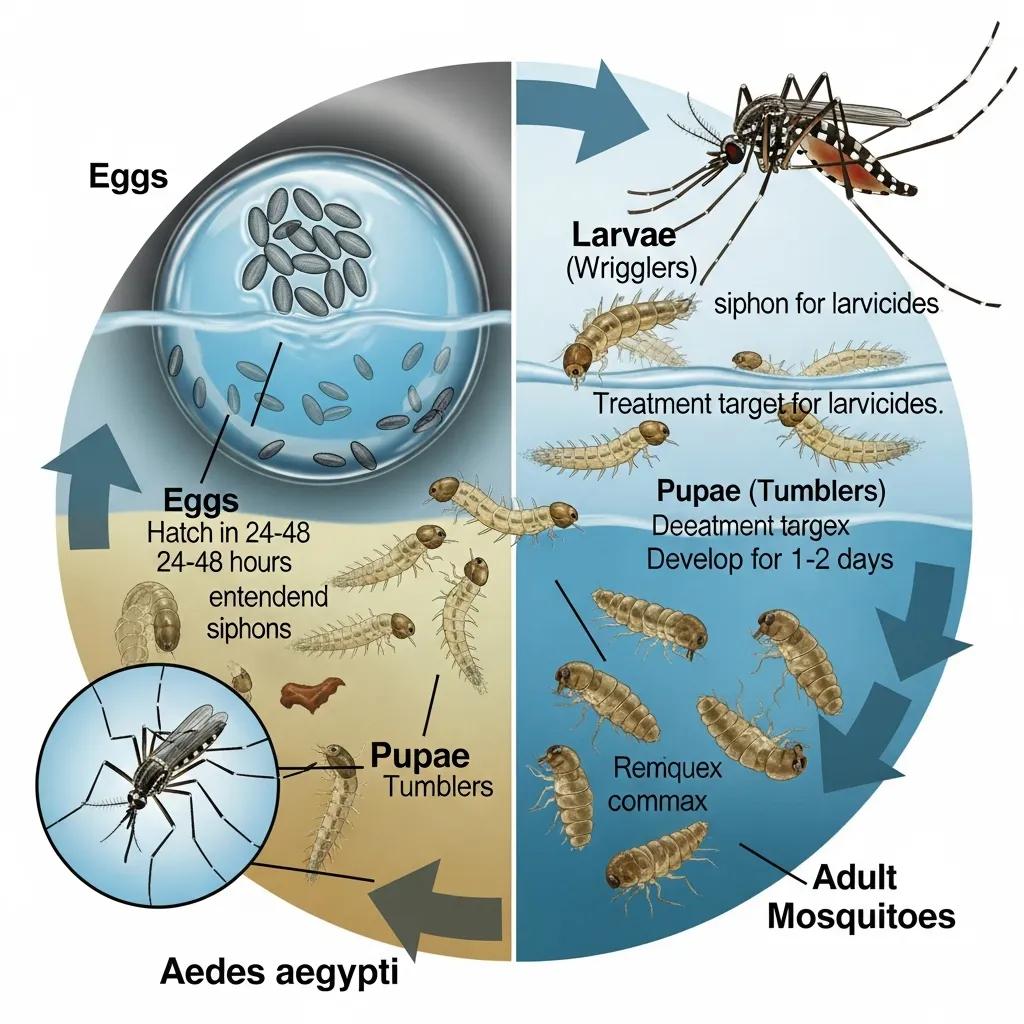
Effective timing depends on the mosquito life cycle: egg, larva, pupa, and adult. Treatments are scheduled to target the most vulnerable stages. For example, applications aimed at adults during peak activity at dusk and dawn increase immediate reduction. Aligning service intervals with local breeding peaks helps prevent population rebounds.
Climatic factors such as temperature and rainfall influence development speed and seasonal onset. Warmer, wetter periods accelerate breeding and shorten generation time, which may require more frequent visits to maintain suppression. We account for local microclimates (shaded yards, low-lying areas, or irrigation patterns) when selecting intervals and treatment types.
What Areas Are Targeted During Mosquito Spraying for Optimal Yard Protection?
Effective mosquito spraying programs concentrate on high-risk microhabitats within the property. We prioritise these zones to maximise control efficacy.
- Shrubs and Vegetation : Mosquitoes often rest in dense foliage, making these areas prime targets for spraying.
- Perimeter Areas : Spraying around the edges of properties can create a barrier that prevents mosquitoes from entering yards.
Targeting vegetation and property perimeters reduces resting opportunities and strengthens overall yard protection.
Common, easily overlooked breeding sites include clogged gutters, uncovered trash bins, birdbaths, small garden ponds, children’s outdoor toys, and ornamental planter saucers. During assessments, we list these items and advise homeowners on simple removal or maintenance steps that complement chemical control. While eliminating standing water is an effective strategy to reduce mosquito breeding, our company does not perform treatments directly in standing water. Small changes in daily yard habits can significantly reduce the number of available larval habitats.
What Are the Benefits of Professional Mosquito Control Services for Lawns?
Our professional mosquito control services deliver technical expertise and validated treatment strategies that lower mosquito abundance and exposure risk. These services are designed to yield reliable, repeatable results for homeowners.
- Effective Pest Control Strategies : We utilize advanced techniques and products that are more effective than over-the-counter solutions.
- Safety for Humans and Pets : Our licensed technicians are trained to apply treatments safely, minimizing risks to family members and pets.
- Expertise of Technicians : We have a deep understanding of mosquito behavior and biology, allowing us to tailor treatments to specific environments.
Groundhog Turf Care offers lawn maintenance and seasonal mosquito spraying programs that combine trained staff and standardised protocols to keep outdoor areas enjoyable and safe.
Additional benefits include consistent recordkeeping, scheduled inspections, and a documented treatment history that homeowners can review. We also provide clear pre- and post-treatment instructions, and offer short-term follow-up visits or service guarantees to address persistent hotspots.
How Does Seasonal Mosquito Spray Reduce Mosquito Populations Effectively?
Seasonal sprays work against adult mosquitoes and immature stages. Active ingredients disrupt development and cause mortality. Adulticides provide rapid reduction on contact; larvicides prevent maturation in aquatic habitats. Regular, scheduled applications address both current adults and incoming cohorts for sustained control.
The combined approach reduces nuisance biting quickly while limiting future cohorts that would emerge from untreated water sources. By rotating or combining modes of action within label guidelines, we maintain performance and reduce the likelihood of diminished efficacy over time.
What Are the Environmental and Safety Considerations of Mosquito Pest Control?
Environmental and safety considerations guide product selection and application methods. We employ EPA‑approved formulations and follow label directions to minimise non‑target impacts. Our technicians implement safety protocols to protect residents, pets, and beneficial organisms during and after treatments.
We routinely review label requirements, apply products at approved rates, and use techniques that limit drift and exposure to non-target plants and animals. Homeowners should follow preparatory guidance (covering fish ponds, moving pet water dishes, and securing outdoor items) and ask us about timing and re-entry intervals when children, pets, or sensitive individuals are present.
Which Treatment Methods Are Used in Seasonal Mosquito Spraying Programs?
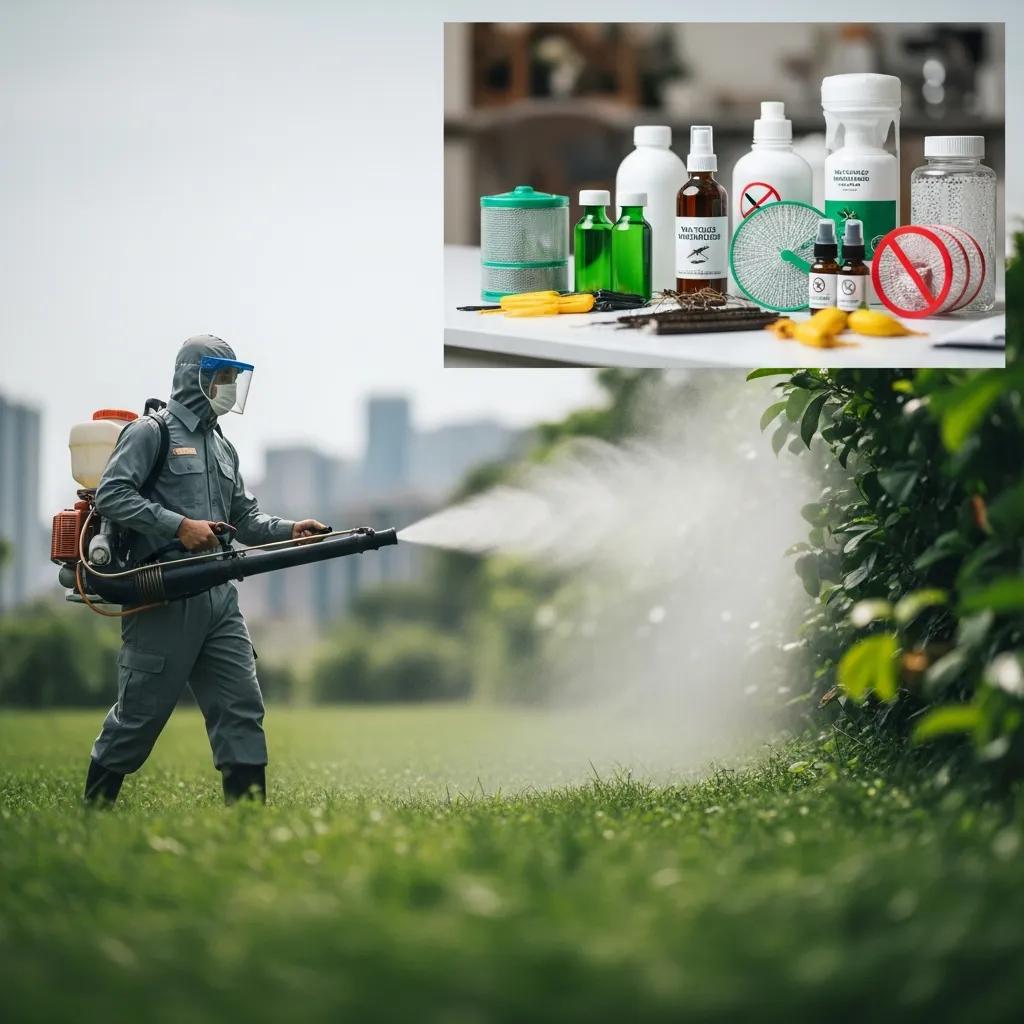
Our seasonal programs combine several treatment methods that are selected based on property characteristics and mosquito pressure. Plans are adjusted to address specific site needs and infestation severity.
- Monthly Treatment Schedule : Regular treatments are scheduled to maintain control throughout the mosquito season.
- Types of Equipment Used : We use specialized spray systems that ensure even coverage and effective application of insecticides.
- Non-Toxic Control Products : Some of our services offer products that are low in toxicity and safe for the environment and human health, but professional effectiveness often relies on EPA-approved insecticides.
Application techniques range from targeted residual sprays applied to vegetation and structural surfaces to perimeter treatments and spot larviciding of water features. Equipment choices — backpack sprayers, truck-mounted systems, or handheld misting units — are selected to suit the size and layout of the property while controlling overspray. Where available and appropriate, low‑impact or reduced-risk products can be chosen to balance efficacy with environmental considerations.
What Is Mosquito Barrier Treatment and How Does It Work?
Barrier treatment creates a treated zone along a property perimeter by applying insecticide to vegetation and other resting surfaces. The barrier kills or repels mosquitoes attempting to enter the treated area. With correct application and follow-up, protection can persist for several weeks and reduce nuisance levels.
Research supports the efficacy of professional barrier treatments in reducing adult mosquito counts at residential sites.
Professional Barrier Treatments for Residential Mosquito Control
Increased threat of mosquito-borne disease coupled with decreased tolerance of nuisance mosquitoes has opened a market for pest management professionals to offer mosquito control services for homeowners. A pest management professional applied bifenthrin (0.08%) and lambda-cyhalothrin (0.1%) at their maximum label concentrations as barrier treatments. We tested treatments residual efficacy in reducing adult mosquito populations and compared these chemicals against a water control at 24 residential properties (eight replications by three treatments).
Efficacy of two pyrethroid insecticides applied as barrier treatments for managing mosquito (Diptera: Culicidae) populations in suburban residential properties, RT Trout, 2007
Barrier longevity depends on product choice, environmental exposure, and vegetation density. Heavy rainfall, routine irrigation, or mowing can remove residues sooner, so we may recommend reapplication triggers rather than strict calendar-based timelines. Homeowners should understand expected persistence and what activities can shorten protection so they can plan around treatment windows.
How Are Mosquito Larvae Controlled to Prevent Future Infestations?
Larval control is essential to long‑term mosquito management. Our effective programs combine source reduction advice with targeted larviciding and scheduled treatments to interrupt development in aquatic habitats.
- Advice on Elimination of Standing Water : While we do not treat standing water directly, we strongly encourage homeowners to regularly check and remove sources of standing water to reduce breeding sites.
- Monthly Spraying : Consistent treatments help to target larvae before they mature into adults.
- Use of Effective Insecticides : Larvicides specifically designed to target mosquito larvae can be applied to water sources to prevent their development, though this is typically performed by specialized providers or by homeowners following guidance.
When homeowners incorporate source reduction, routine applications, and appropriate larvicides, the likelihood of future infestations decreases substantially.
Larval control efforts are most effective when combined with community awareness and cooperation; neighboring properties with unmanaged water sources can undermine individual efforts. We often advise on routine inspection checklists and timing for larviciding treatments that align with lifecycle timing and local conditions.
Additional studies underscore the importance of habitat control and source reduction in household settings for effective mosquito prevention.
Seasonal Mosquito Habitat Control and Source Reduction in Households
Control of Aedes aegypti populations through source reduction is still considered the most effective way of prevention and control, although it has proven ineffective or unsustainable in many areas with a history of mosquito control. In one study, seasonal profiles and productivity of Aedes aegypti were analyzed in an urban area with ongoing vector control efforts. Households contained more than 80% of larval habitats identified, although presence of habitats was more likely in other locations like lots and streets.
Seasonal profiles of Aedes aegypti (Diptera: Culicidae) larval habitats in an urban area with a history of mosquito control, A Troyo, 2008
How Should Homeowners and Property Managers Schedule and Price Mosquito Control Services?
Scheduling and pricing depend on property size, mosquito pressure, and the selected service frequency. We assess these factors to create a tailored plan and estimate.
During an on-site estimate, we measure treated areas, note access constraints, and discuss homeowner preferences for product types and follow-up options. Estimates describe included services (inspections, applications, follow-up visits) and clarify what triggers additional charges, such as extra visits after storms or for special events.
- Best Practices for Scheduling : We recommend scheduling treatments during peak mosquito activity times, typically early morning or late evening.
- Understanding Pricing Structures : Pricing may be influenced by the frequency of treatments and the specific services included in the package.
- Communication with Our Team : Homeowners should discuss their specific needs with us to ensure that the treatment plan is tailored to their property.
What Are Typical Scheduling Options for Seasonal Mosquito Spraying?
Common scheduling options include monthly maintenance during peak months, bi‑weekly visits for high‑pressure properties, or one‑time treatments for events. We recommend the interval based on local conditions and infestation severity.
In practice, we often begin with a baseline monthly program and offer escalation plans for persistent problems. For special events, a targeted service timed within 24–48 hours of the gathering can reduce nuisance levels for guests without committing to a full seasonal program.
- Monthly Treatments : Regular monthly applications are often recommended during peak mosquito season.
- Bi-Weekly Treatments : For properties with severe infestations, bi-weekly treatments may be necessary to maintain control.
- One-Time Treatments : Some homeowners may opt for a one-time treatment for special events or gatherings.
How Is Pricing Structured for Yard Mosquito Treatment Services?
Pricing typically reflects property size, visit frequency, and the scope of services included. Bundled packages that combine lawn care and pest control can offer better overall value.
Transparent pricing commonly includes a clear description of the treated area, the number of applications per season, and any monitoring or follow-up visits. Homeowners should request written scopes of work and any service guarantees so expectations are aligned before work begins.
- Property Size : Larger properties may incur higher costs due to the increased area that needs treatment.
- Treatment Frequency : Regular treatments may offer discounted rates compared to one-time services.
- Service Packages : We offer bundled services that include additional lawn care or pest control options, which can provide better value.
What Do Customers Say About Seasonal Mosquito Spraying and Yard Protection?
Customer feedback provides practical evidence of program performance. Many homeowners report measurable reductions in mosquito activity and improved outdoor use following our professional treatment plans.
Which Case Studies Demonstrate the Effectiveness of Mosquito Control Programs?
Several case studies document substantial results from regular treatments. In some properties that received scheduled applications, reports indicate an 85–90% reduction in mosquito populations, allowing households to use outdoor spaces with far fewer interruptions from biting insects.
Case-study summaries typically note baseline monitoring results, the applied intervention, and post-treatment counts or homeowner reports. When reviewing claims, homeowners should ask for documented outcomes or references from comparable properties in their region.
How Do Customer Testimonials Reflect Service Reliability and Results?
Testimonials commonly highlight punctuality, thorough application techniques, and our technicians’ technical knowledge. Many clients note a clear decline in mosquito activity and value the targeted approach delivered by our trained staff.
Repeat customers often cite responsive communication and clear guidance on habitat reduction as reasons to renew seasonal plans. We maintain consistent crews, documented procedures, and a straightforward process for addressing any concerns between scheduled visits.
How Can You Maximize Mosquito Prevention for Lawns Year-Round?
Year‑round prevention requires a mix of monitoring, regular treatments when appropriate, and habitat reduction. A proactive maintenance plan reduces seasonal peaks and lowers overall mosquito pressure.
Some homeowners pair our seasonal professional services with regular homeowner checks (weekly or biweekly during peak months) to remove new water sources and maintain landscape practices that reduce resting sites. Combining professional expertise with homeowner vigilance is the most effective, practical approach for sustained control.
- Understanding Mosquito Life Cycles : Knowledge of mosquito breeding habits can help in planning preventive measures.
- Importance of Regular Treatments : Consistent treatments, even outside peak seasons, can help maintain control.
- Elimination of Breeding Grounds : Regularly inspecting and removing standing water is crucial for preventing infestations.
What Are Expert Tips for Maintaining Mosquito-Free Outdoor Spaces?
Our expert recommendations include routine removal of standing water, using professional control services for persistent issues, and maintaining tidy landscaping to reduce resting sites.
- Eliminate Standing Water : Regularly check for and remove any sources of standing water around your property.
- Use Professional Services : Engage with our mosquito control services for effective and safe treatments.
- Maintain Landscaping : Keep vegetation trimmed and well-maintained to reduce resting areas for mosquitoes.
Additional tips include scheduling treatments before major seasonal surges (for example, before prolonged warm, wet periods), and coordinating service timing if multiple properties in a neighborhood pursue control to reduce reinfestation from nearby unmanaged sites.
How Does Integrating Lawn Care Enhance Mosquito Pest Control Efforts?
Integrating lawn care and mosquito control improves overall outcomes. Well‑maintained turf and trimmed vegetation reduce resting locations and limit microhabitats that support mosquito development. Combined services create a more comprehensive pest management strategy.
When lawn care plans include attention to drainage, reduction of low-lying wet spots, and removal of debris that can hold water, mosquito control treatments become more effective and longer lasting. Coordination between turf technicians and mosquito control teams streamlines access and reduces the need for repeat treatments caused by unmanaged landscape practices.
Frequently Asked Questions
What should I do if I notice mosquitoes returning after treatment?
If mosquitoes return after treatment, notify us so we can inspect for nearby breeding sources or gaps in coverage. We can recommend follow‑up applications or plan adjustments. Regular site inspections and habitat reduction will support longer term control.
Are there any natural alternatives to chemical mosquito sprays?
Natural options include repellents based on citronella, eucalyptus, or lavender oils and promoting natural predators such as bats and certain birds. These measures can reduce nuisance levels but typically deliver less consistent suppression than professional treatments. Consult us to determine an appropriate integrated approach for your property.
How long does the mosquito spray remain effective after application?
Residual effectiveness varies by product and environmental conditions. Our professional applications commonly remain active for several weeks under normal conditions. Rain, wind, and temperature can reduce persistence. We often recommend scheduled follow‑ups to maintain effective protection across the season.
Can I treat my yard for mosquitoes myself?
DIY treatments are possible using over‑the‑counter insecticides or repellents, but they may not match the efficacy of our professional programmes. Incorrect application can risk human, pet, and beneficial insect exposure. Hiring a licensed pest control service ensures targeted applications and adherence to safety protocols.
What should I expect during a professional mosquito treatment service?
A licensed technician will inspect your property to identify breeding and resting sites, then apply targeted insecticides using specialised equipment for uniform coverage. The technician will offer prevention advice, such as standing water elimination and landscape maintenance. You may be advised to avoid treated areas briefly for safety.
How can I prepare my yard before a mosquito spraying service?
Prepare your yard by removing debris and standing water, trimming overgrown vegetation, and moving furniture and toys away from treatment zones. Inform us of any high‑activity areas or special concerns. Proper preparation improves treatment access and efficacy.
What are the signs that I need mosquito control services?
Signs that professional control is warranted include frequent bites during outdoor activities, visible standing water or larval habitats, and noticeable increases in mosquito activity during peak months. A pest control assessment can identify the appropriate treatment strategy.
If you have specific environmental concerns — for example, active beehives, ornamental fish ponds, or a high number of backyard pollinators — discuss them with us so we can select compatible products and application techniques that reduce non-target exposure.
Conclusion
Seasonal mosquito spraying programs offer a verified method to reduce mosquito populations and improve outdoor comfort. By addressing breeding sites, applying targeted treatments, and relying on trained technicians, homeowners gain reliable, long‑term yard protection. Regular maintenance and integrated habitat control support sustained results. Contact us to discuss a tailored mosquito control plan for your property.
Choosing the right program involves evaluating local conditions, service scope, and our experience. A carefully planned seasonal program, combined with homeowner participation in habitat reduction, offers the best chance to keep yards usable and reduce the health and nuisance impacts of mosquitoes over time.
