
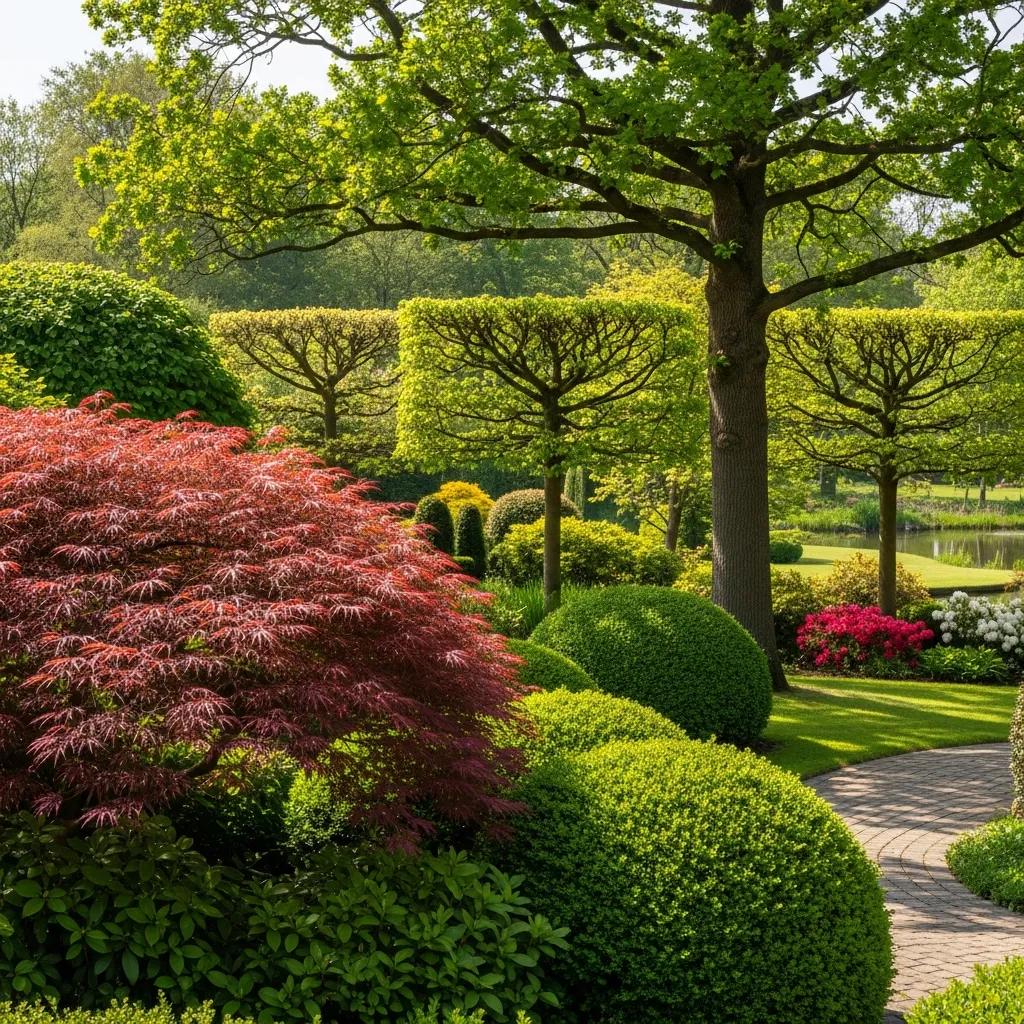
Professional Pruning Standards for Healthy Trees and Shrubs
Trees and shrubs require standards-based pruning to sustain health and landscape value. Professional pruning techniques promote growth, reduce structural defects, and extend plant longevity. This article summarises essential methods, optimal seasonal timing, and recommended tools, and explains the benefits of professional services. Homeowners and property managers commonly face maintenance challenges; understanding these standards provides practical solutions to improve plant health and appearance and to schedule professional care effectively.
Beyond immediate aesthetics, well-executed pruning preserves long-term site value by reducing hazards, improving storm resilience and limiting costly corrective work later. The guidance below is practical: it describes what to prioritise during inspections, how to select appropriate techniques, and how to set realistic maintenance intervals for common landscape situations.
Essential Tree Pruning Techniques for Healthier, Stronger Trees
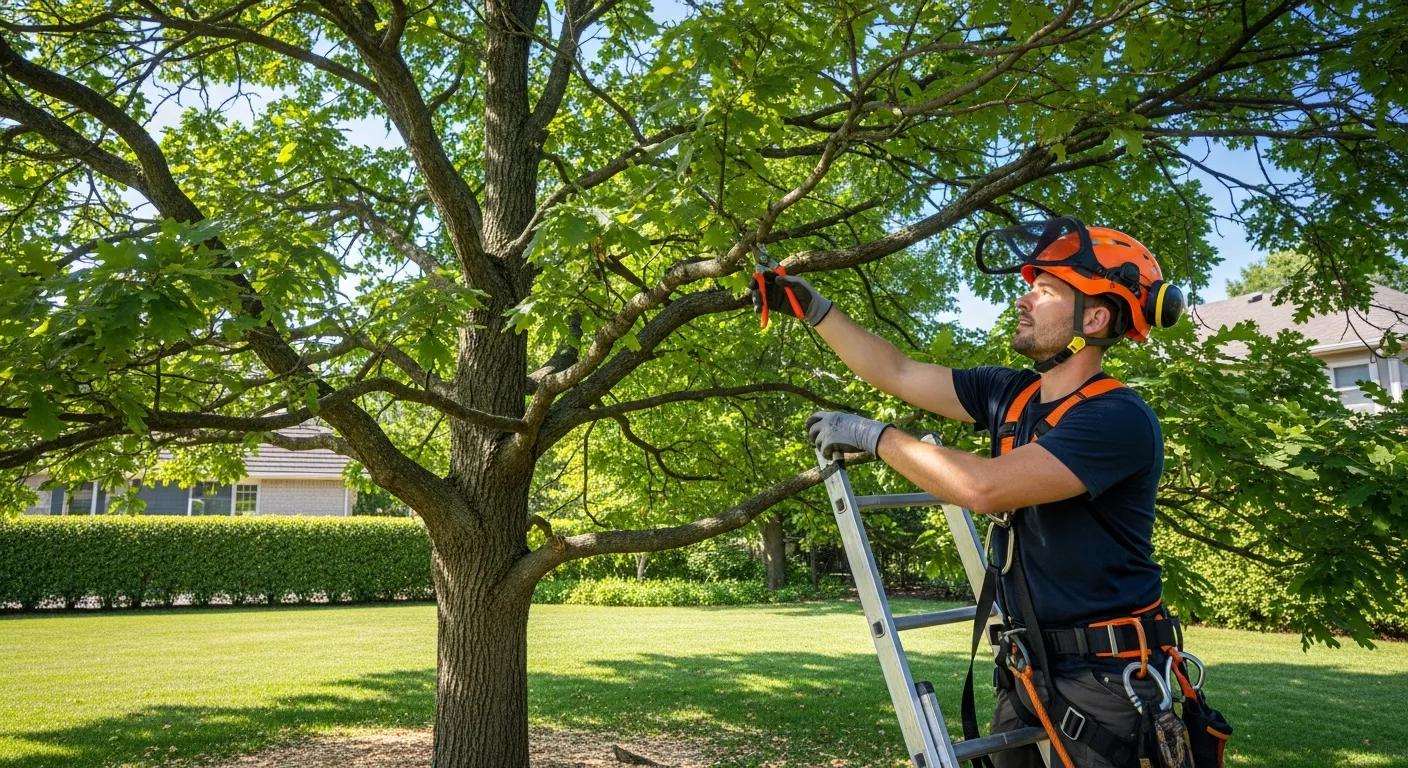
Tree pruning supports health and structural integrity. Essential methods include selective pruning , crown thinning, and thinning cuts. Each technique has a specific objective: selective pruning removes targeted branches to increase light penetration and airflow; crown thinning reduces branch density to improve ventilation; thinning cuts decrease crowding and competition. When applied correctly, these methods strengthen the tree while preserving its natural form.
Practitioners select techniques according to tree species, age and site context. For example, young trees benefit from formative pruning to establish a single leader and strong scaffold branch distribution, while mature trees often require corrective cuts to remove defective growth or reduce end weight that contributes to failure during storms.
How Do Precise Cutting Methods Promote Tree Health?
Precise cutting is fundamental to tree health. Clean cuts made just outside the branch collar enable faster wound closure and reduce disease risk. Proper cutting positions support balanced nutrient distribution and controlled regrowth. Improved canopy airflow resulting from accurate cuts also lowers fungal pressure and contributes to overall vitality.
In practice, precision means using the correct cut type for the branch size and angling the saw or pruner to avoid tearing bark. Cuts should be as small as necessary to remove the defect, maintaining as much live tissue as possible. When larger limbs are removed, staged reductions can limit branch weight transfer and reduce tearing.
Which Pruning Practices Enhance Structural Integrity and Growth?
Practices that enhance structural integrity include crown thinning, thinning cuts, and re-leadering cuts. Crown thinning maintains balanced branch distribution. Thinning cuts remove excess limbs to reduce the likelihood of storm-related failure. Re-leadering encourages a dominant leader where required to preserve height and form. Together these practices build a more resilient tree structure.
Additional structural techniques include removing weak or rubbing branches, reducing end weight on extended limbs, and correcting codominant stems where unions are prone to splitting. These measures decrease the chance of branch failure and help allocate growth energy to the most structurally sound parts of the tree.
How Should Shrubs Be Pruned to Support Healthy Growth and Appearance?
Shrub pruning preserves both health and ornamental value. Recommended practices include contour pruning, avoiding inappropriate shearing, and timing cuts according to species. Contour pruning maintains natural form; avoiding shearing prevents internal dieback and supports healthier regrowth.
For hedges and foundation shrubs, regular light pruning to maintain shape is preferable to aggressive shearing, which can create a dense outer shell and a dead interior. When rejuvenation is required, progressive reduction—removing older stems at ground level over a few seasons—restores vigour without sacrificing appearance.
What Are the Best Shrub Pruning Methods and Timing?
Effective shrub pruning pairs contour shaping with species-specific timing. Many shrubs respond well to late-winter or early-spring pruning, while flowering shrubs that bloom on old wood should be pruned immediately after flowering to protect buds. Use heading-back or thinning cuts based on the shrub’s growth habit and maintenance goals to optimise health and appearance.
When selecting cuts, consider the plant’s flowering habit and growth rate. Shrubs that flower on the previous season’s wood will lose flower displays if pruned too early; conversely, fast-growing utility shrubs may require annual reductions after flowering to control size and maintain vigor.
How Does Seasonal Shrub Maintenance Affect Plant Vitality?
Seasonal maintenance directly influences shrub vitality. Regular pruning balances growth and improves nutrient allocation, increasing resistance to pests and disease. Removing dead or diseased wood concentrates resources on healthy shoots and can enhance flowering, maintaining visual appeal throughout the year.
Practical maintenance schedules vary: lightly maintained ornamentals benefit from spring pruning, while productive or screening shrubs may require a summer tidy to remove water sprouts and maintain density. Observing response after each pruning cycle helps refine timing for each specimen.
When Is the Optimal Time for Seasonal Pruning of Trees and Shrubs?
For many species the optimal pruning window is the dormant season, particularly late winter (January to March). Dormant pruning minimises stress, allows for better wound closure, and typically promotes vigorous spring growth while reducing pest and disease activity.
That said, timing must be adjusted for species that flower on old wood and for sites where climatic extremes or pest cycles influence recovery. For some evergreens and conifers, minimal pruning during active growth helps avoid browning and reduces the risk of long-term dieback.
How Does Seasonal Timing Influence Pruning Effectiveness?
Seasonal timing affects pruning outcomes. Dormant-season pruning reduces plant stress and supports efficient healing. It also improves light penetration and airflow through the canopy and can limit disease transmission. Selecting the correct timing shortens recovery and improves long-term health.
Consider also local climate: in regions with late frosts, delaying aggressive pruning until after the last frost reduces the chance of frost-related dieback. In warmer climates, pruning to open the canopy before hot seasons can improve cooling and reduce heat stress.
Research further underscores that precise timing and execution materially affect tree recovery and long-term health following pruning.
Pruning Season Effects & Accurate Tree Management
Pruning is an integral practice in both silvicultural systems and urban forestry. Accurate implementation is essential for producing high-quality timber and for reducing urban-tree risk while enhancing ecosystem services. This study measured the effect of pruning season on discoloration amount and occlusion rate in four broadleaved tree species.
Pruning revisited–effect of pruning season on wood discoloration and occlusion in four temperate broadleaved tree species, 2023
What Are the Recommended Pruning Schedules for Different Species?
Pruning schedules vary by species and growth habit. Deciduous trees are typically pruned in late winter or early spring, while flowering shrubs that bloom on old wood should be pruned immediately after flowering. Observing species-specific schedules ensures each plant receives appropriate care and supports optimal health and development.
A practical approach is to create a simple maintenance calendar that flags species with early-spring blooms, summer flowering times, and evergreen maintenance needs. This calendar assists in planning crews and reduces the risk of inadvertent bud loss or excessive regrowth.
Which Pruning Tools Are Recommended for Safe and Effective Tree Care?
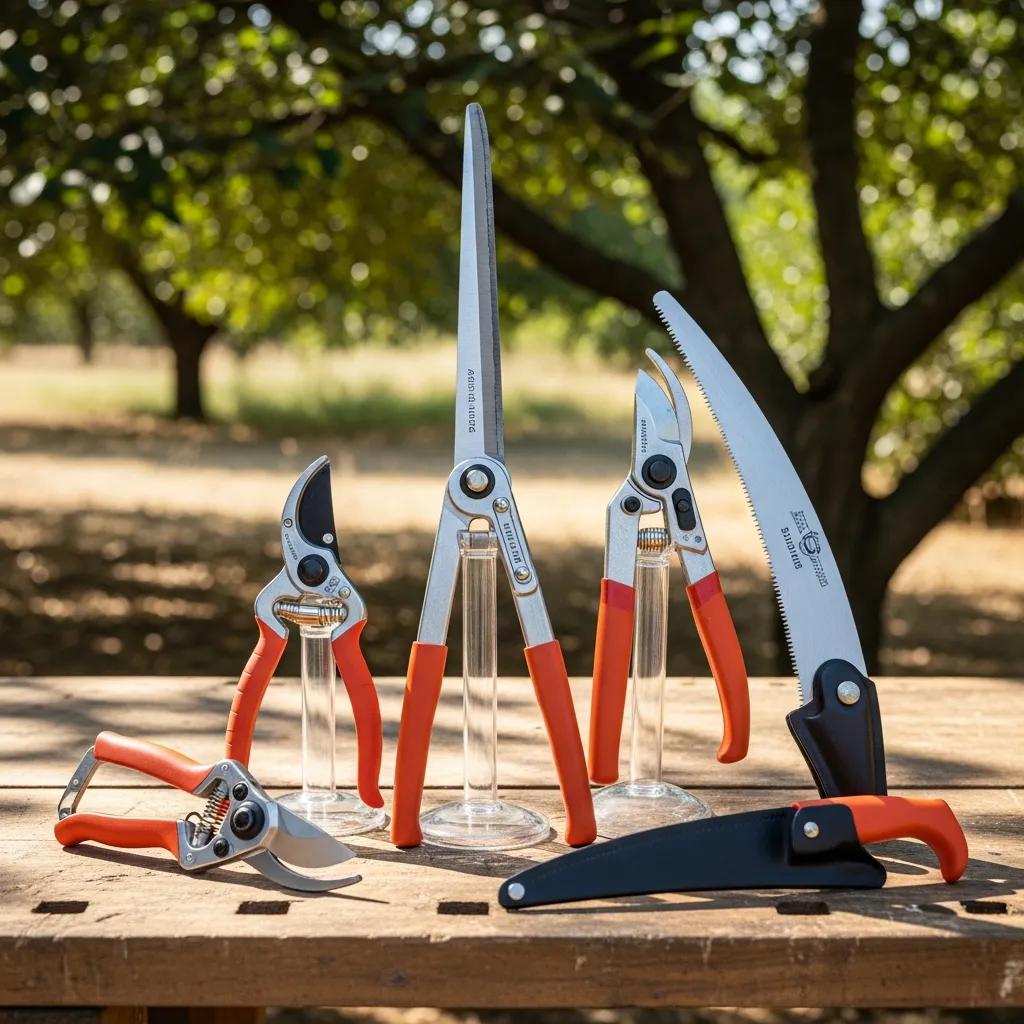
Selecting appropriate tools is essential for safe, effective pruning. Recommended equipment includes hand pruners, loppers, and pruning saws. Each tool is suited to specific branch sizes and tasks. Regular maintenance and sharpening preserve cut quality and reduce harm to plant tissue.
Tool choice should match branch diameter: hand pruners for shoots and small stems, loppers for stems up to the specified blade capacity, and saws for larger branches. For high work, pole pruners allow safer reaches without ladders when used correctly.
What Are the Essential Tools for Professional Tree and Shrub Pruning?
The core tools used by professional crews include:
- Hand Pruners : Ideal for small branches and precise cuts.
- Loppers : Suitable for thicker branches that require more leverage.
- Pruning Saws : Necessary for larger limbs that cannot be cut with hand tools.
Correct use of these tools improves cut quality and overall pruning efficacy.
In addition to cutting tools, crews rely on measuring tapes, paint markers for tagging, and basic diagnostic tools such as a mallet or probe to check for internal decay. Routine tool inspection before work begins reduces downtime and prevents damage to plant tissues caused by blunt blades or malfunctioning equipment.
What Safety Guidelines Should Be Followed When Using Pruning Equipment?
Safety is paramount when operating pruning equipment. Personnel should wear personal protective equipment—gloves, eye protection, and helmets when appropriate—and follow established handling procedures. Well-maintained, sharp tools reduce the risk of accidents and produce cleaner wounds on plants.
Additional safety measures include assessing overhead hazards, using secure footing or appropriate aerial equipment, and implementing a clear work zone so bystanders remain at a safe distance. Teams should follow a tool-cleaning routine, particularly when working on diseased material, to minimise pathogen transfer between specimens.
What Are the Benefits of Professional Pruning Services for Lawn Care?
Professional pruning delivers measurable benefits: regulated growth, improved canopy airflow, and enhanced flowering. Licensed technicians apply species-appropriate techniques to preserve plant health and landscape aesthetics, supporting long-term vigour.
Hiring professionals also reduces liability for property owners by ensuring work is performed to recognised standards and that risks—such as falling branches or improper cuts—are managed. Professional assessment often identifies early structural problems or pest issues that, when addressed promptly, avoid more costly interventions later.
How Does Expert Pruning Improve Tree and Shrub Health?
Expert pruning promotes balanced structure and reduces disease risk. Certified professionals assess species-specific requirements and apply targeted cuts to direct growth and strengthen structural integrity.
During an expert pruning visit, technicians commonly document defects, recommend follow-up maintenance intervals and, when relevant, provide a risk assessment that helps property managers prioritise work based on safety, amenity and budget considerations.
Why Choose Customized Pruning Plans from Certified Professionals?
Customized pruning plans from certified professionals ensure each specimen receives a tailored program. Specialists evaluate your landscape and develop a schedule and methods that optimise plant health and reduce future maintenance needs.
A customised plan typically includes a site inspection report, recommended pruning operations, timing guidance, and a maintenance calendar. This structured approach helps owners budget for cyclical care and avoids reactive pruning that can harm plant health.
How Can Disease Prevention and Climate-Adaptive Pruning Enhance Plant Longevity?
Disease prevention and climate-adaptive pruning extend plant longevity. Practices such as selective and contour pruning reduce pathogen pressure and mitigate environmental stress. Adapting techniques to site conditions creates favourable growing microclimates and supports resilience.
Climate-adaptive pruning may involve reducing canopy density to improve air movement in humid regions, or maintaining denser canopies in exposed, windy sites to protect trunks from desiccation. Thoughtful pruning helps trees and shrubs cope with site-specific water availability, temperature extremes and salt exposure near roads.
What Pruning Practices Help Prevent Tree and Shrub Diseases?
Key pruning practices that limit disease spread include:
- Selective Pruning : Removing only the necessary branches to improve airflow and light penetration.
- Contour Pruning : Maintaining the natural shape of the plant to reduce stress.
- Regular Maintenance : Ensuring that dead or diseased branches are promptly removed.
Collectively, these measures strengthen landscape health and lower the likelihood of disease outbreaks.
Practical sanitation steps—such as cleaning tools between specimens, avoiding pruning during wet weather when pathogens spread more easily, and disposing of infected material according to local guidance—support these practices in everyday operations.
How Are Climate-Adaptive Techniques Integrated into Modern Pruning?
Climate-adaptive pruning incorporates local environmental conditions into pruning decisions. Adjusting timing and thinning intensity to match site-specific climate factors improves plant resilience and supports long-term health.
Examples include moderating the amount of live crown removed during drought years, avoiding heavy reductions that would increase transpiration demand, and scheduling pruning work in seasons that reduce stress for heat-sensitive species. These adjustments help maintain canopy function and ecosystem services provided by trees and shrubs.
What Are the Industry Standards and Qualifications for Professional Pruning?
Industry standards govern professional pruning to ensure consistent quality and safety. Certified arborists complete formal training and demonstrate competency to perform pruning correctly. Awareness of these standards helps property owners select qualified service providers.
Standards also guide documentation and reporting practices, including pre-work inspections and post-work condition notes. This transparency assists clients in understanding why specific cuts were recommended and how they contribute to longer-term objectives.
Which Arborist Certifications Ensure Expert Pruning Services?
Relevant certifications that indicate professional competence include:
- NHAA Certification : Recognizes qualified arborists with specialized training.
- ISA Certification : Internationally recognized certification for arborists demonstrating expertise in tree care.
These credentials signal that professionals you hire possess verified knowledge and practical skills in arboriculture.
Industry frameworks such as ANSI A300 and the ISA Certified Arborist program form foundational guidance for professional tree care.
ANSI A300 Pruning Standards & ISA Arborist Certification
The ANSI A300 series (Parts 1 through 9), first published in 1991, established the pruning standard within a broader set of arboricultural practices. The ANSI A300 standard and the ISA Certified Arborist® program are central components in developing professional competence.
Building and growing professionals for trees: Arboricultural standards and credentials, RJ Hauer, 1991
How Do Professional Standards Influence Pruning Quality and Results?
Adherence to professional standards improves pruning safety and outcomes. Following established guidelines reduces risk, promotes proper wound management, and enhances the longevity and appearance of trees and shrubs.
Standards also inform client communication: scoped work, documented limitations and clear scheduling expectations reduce misunderstandings and ensure that pruning objectives align with landscape goals such as clearance, aesthetics or habitat provision.
How Can Homeowners and Property Managers Schedule and Benefit from Pruning Services?
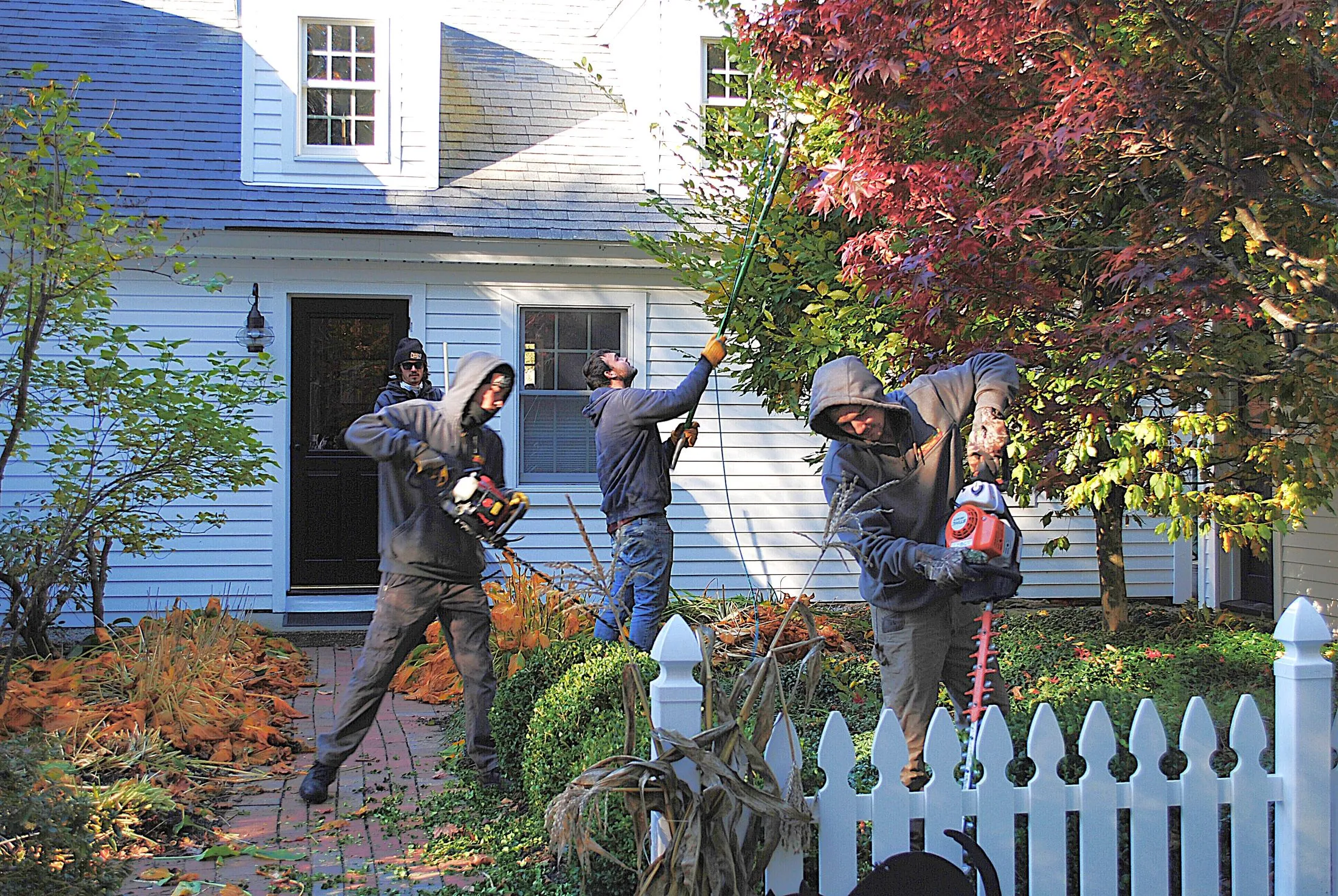
Scheduling professional pruning is straightforward and provides clear benefits. Contact a certified service to request an inspection and receive expert recommendations tailored to your landscape.
Before the visit, prepare a list of concerns (leaning limbs, crossing branches, reduced flowering) and note the locations of specimen trees. This preparation helps crews focus onsite time efficiently and allows for a more accurate, itemised quote.
What Is the Process to Request Quotes and Schedule Professional Pruning?
The typical process to obtain quotes and schedule pruning is as follows:
- Contacting Groundhog Turf Care : Reach out via phone to discuss your needs.
- Requesting a Free Inspection : Schedule a time for professionals to assess your landscape.
- Receiving a Customized Quote : Obtain a detailed quote based on the specific services required.
This sequence delivers a clear assessment and a customised service plan for your trees and shrubs.
During the inspection, expect the technician to note species, defects, target pruning height, and access constraints. A thorough quote will separate labour, equipment and material disposal costs so you can compare proposals objectively.
What Are the Expected Outcomes and Maintenance Plans Post-Pruning?
After pruning, property owners can expect improved plant form and vigour. Maintenance plans often include periodic inspections and follow-up care to ensure trees and shrubs continue to thrive. Investing in professional pruning supports long-term landscape performance.
Recovery timelines vary with species and the extent of pruning: small corrective cuts often show visual improvement within weeks, while larger structural work may require a full season to exhibit balanced regrowth. A scheduled follow-up helps verify that targets for structure and health are being met.
Frequently Asked Questions
What are the signs that a tree or shrub needs pruning?
Indicators that pruning is required include overgrown or crossing branches, dead or diseased limbs, and poor structural form. Branches that rub or tangle increase the risk of wounds and failure. Reduced leaf or flower production may also signal the need for corrective pruning. Regular inspections allow early detection and timely intervention.
Other cues include significant leaning, visible decay or cavities, and roots or branches causing clearance problems with buildings and utilities. When multiple warning signs appear, prioritise safety-related work first and plan longer-term structural pruning as resources allow.
How can I determine the right pruning technique for my plants?
Choosing the correct technique depends on species and the plant’s objectives. Selective pruning suits trees needing improved light and airflow; contour pruning preserves shrub form. Consult a certified arborist or review the plant’s growth habit to select methods that achieve both health and aesthetic goals.
When in doubt, err on the side of minimal removal and schedule another inspection after observing seasonal growth. Specialists can often advise staged interventions that meet aesthetic expectations without over-pruning.
What should I do if I accidentally damage a branch while pruning?
Assess the damage promptly. Clean, properly placed cuts on minor wounds aid natural healing; severely damaged branches should be removed to prevent disease. Wound dressings are generally unnecessary, as trees heal naturally. Monitor the plant for stress or infection following the incident.
If the damage is significant or structural, contact a qualified arborist to evaluate whether the remaining scaffold is safe and whether corrective pruning or bracing is advisable. Quick removal of jagged or torn limbs reduces the area vulnerable to pests and decay.
Can I prune my trees and shrubs myself, or should I hire a professional?
Homeowners may perform basic pruning tasks, but professionals are recommended for larger, complex, or high-risk work. Certified arborists provide diagnostic expertise, species-specific technique, and safe equipment use. When uncertain, engage a qualified professional to ensure proper outcomes and safety.
For small, routine work—deadwood removal, light shaping—homeowners can achieve good results with sharp tools and clear guidance. For any pruning that involves climbing, large-diameter cuts, or work near utilities, hire trained crews with appropriate insurance and equipment.
What are the environmental benefits of proper pruning?
Proper pruning enhances air circulation and light distribution, which supports healthier growth and reduces pest and disease pressure. Removing dead wood lowers pathogen reservoirs and contributes to a more resilient landscape. Well-maintained trees and shrubs also provide stable habitat that benefits local biodiversity.
Well-planned pruning can also improve carbon sequestration efficiency by preserving the healthiest, longest-lived parts of a specimen and by reducing premature removal of trees that continue to deliver ecosystem services across seasons.
How often should I schedule professional pruning services?
Frequency depends on species and growth rate. Generally, trees benefit from pruning every 3 to 5 years, while shrubs often require more frequent attention, such as annual or biannual pruning. Seasonal inspections help determine optimal intervals; certified professionals can provide tailored recommendations.
Fast-growing species and high-visibility specimens may need shorter cycles, while established, slow-growing trees require less frequent interventions. Use inspection notes to adjust intervals and budget for cyclical maintenance rather than large, infrequent corrections.
Conclusion
Adhering to professional pruning standards is essential for maintaining the health and appearance of trees and shrubs. Correct techniques and timing promote vigorous growth, reduce disease risk, and enhance landscape aesthetics. Retaining certified professionals ensures high-quality care and reduces ongoing maintenance. Contact us to schedule a consultation and improve the long-term health of your landscape.
Implementing a considered pruning programme—one that balances safety, plant biology and aesthetics—delivers long-term savings and preserves the environmental and social benefits that trees and shrubs provide in managed landscapes.
